


Vegan vs. Omnivore Breakfast: A Comparison of Vitamins, Minerals, and Absorption
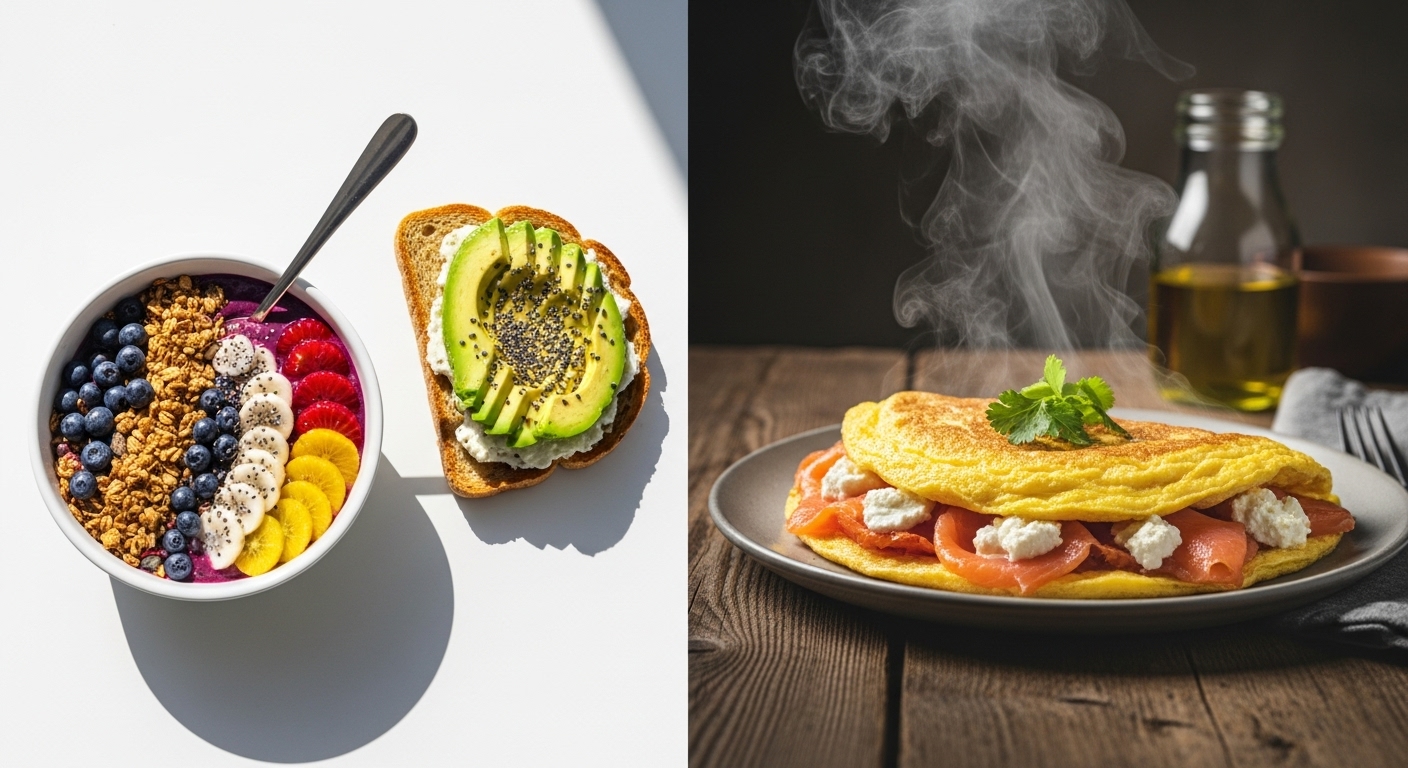
In the world of nutrition, popularity does not always equal quality. Today we put the three most famous vegan breakfasts in the ring against a powerhouse of nutrient density: The Smoked Salmon Omelette with Goat Cheese, cooked in Ghee.
We are not going to talk about morality or ethics. We are going to talk about biochemistry, hormones, and real absorption.
We will analyze:
- Bioavailability: It’s not “what you eat,” it’s “what you absorb.”
- Antinutrients: The hidden mineral thieves.
- Glycemic Index & Insulin: Energy control.
- Amino Acid Profile: Long-term muscle construction.
The Contender: Salmon Omelette with Goat Cheese in Ghee
This dish is a synergistic nutrition bomb.
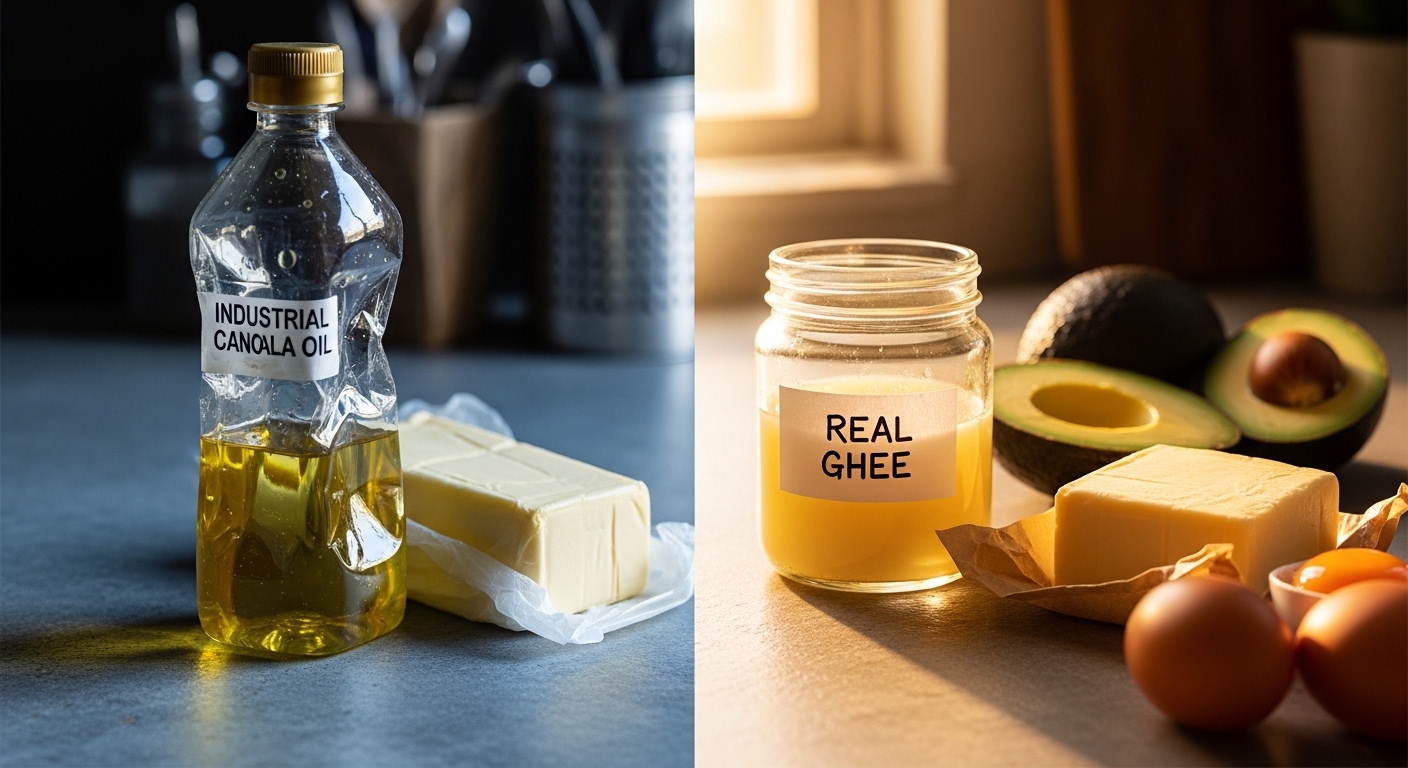
- Fats: Ghee (butyric acid for the gut, soluble Vitamins K2, A, D, E).
- Protein: Egg and Salmon (Complete amino acid profile with maximum absorption).
- Key Micronutrients: Omega-3 (DHA/EPA), Choline (brain), Natural B12.
Round 1: Omelette vs. The Avocado Toast
Avocado toast looks innocent, but nutritionally, it is deficient compared to animal potency.
Scientific Comparison:
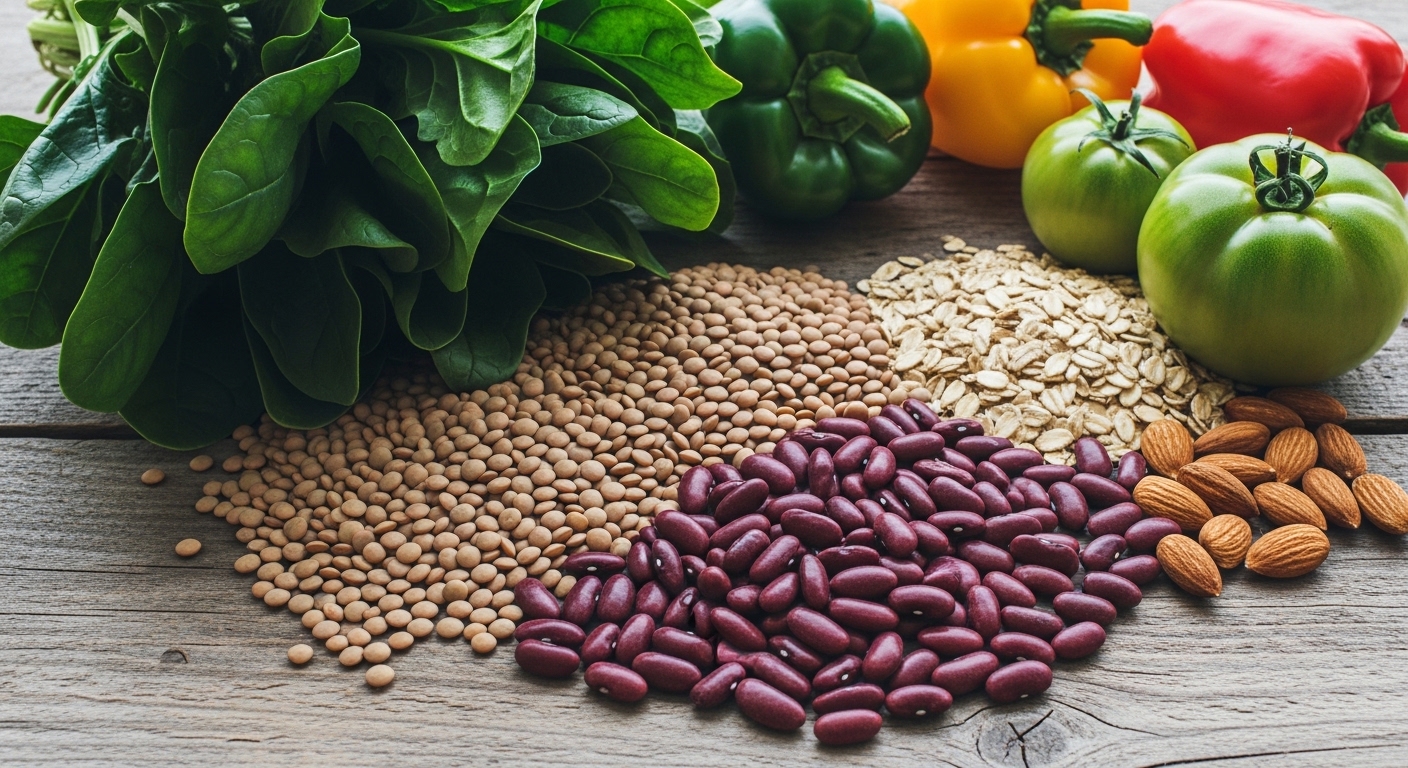
- Antinutrients (The Bread Problem): Even if it’s whole grain or sourdough, wheat contains gluten, lectins, and phytates.
- Negative Effect: Phytates bind to minerals like zinc and calcium, preventing their absorption. Lectins can damage the intestinal wall (permeability), causing mild systemic inflammation.
- Sugar & Insulin:
- Omelette: Glycemic load is almost zero. Stable insulin. Constant energy for hours thanks to mild ketosis or lipolysis.
- Toast: Bread is starch that quickly converts to glucose. It causes an insulin spike that blocks fat burning and can cause a crash (sleepiness) mid-morning.
- Top Minerals/Vitamins:
- Toast: Provides potassium (from avocado) but lacks B12 and real Vitamin D3.
- Omelette: Salmon and eggs provide Vitamin D3 (crucial for immunity) and K2 (from ghee/cheese) which drives calcium into bones, not arteries.
Winner: The Omelette. It eliminates the inflammatory load of grains and maximizes the absorption of soluble fats.
Round 2: Omelette vs. The Tofu Scramble
Here, the battle is for protein and muscle. Vegans claim that tofu equals eggs. Biochemistry says otherwise.
Scientific Comparison:
- Protein & Bioavailability (DIAAS):
- Tofu: Has a lower DIAAS (Digestible Indispensable Amino Acid Score). Although it is a “complete” protein, it is limiting in methionine and cysteine.
- Omelette: The egg has a Biological Value of 100 (the gold standard). The body uses almost 100% to repair tissues.
- Long-term Muscle Impact: You need to eat more tofu (and thus more total calories) to obtain the same anabolic muscle protein synthesis (MPS) as with a smaller portion of eggs and salmon.
- Antinutrients (The Soy Problem):
- Tofu contains trypsin inhibitors, an enzyme needed to digest protein. Ironically, tofu makes it harder to digest its own protein. Additionally, it contains phytoestrogens (isoflavones) which, in excess, can act as endocrine disruptors.
- Inflammation:
- The Omelette provides Long-chain Omega-3 (DHA and EPA) from salmon, nature’s most potent anti-inflammatories. Tofu provides ALA Omega-3, which the body converts very inefficiently (less than 5%) into DHA/EPA.
Winner: The Omelette. It wins by a landslide in protein quality (preventing long-term sarcopenia) and real anti-inflammatory profile.
Round 3: Omelette vs. The Acai Bowl
This is the most violent clash metabolically speaking.
Scientific Comparison:
- Sugar & Energy Impact:
- Acai Bowl: It is a fructose bomb. Even if it is “natural sugar,” the liver doesn’t care. A typical bowl exceeds 30-50g of sugar.
- Effect: Massive glucose spike, followed by a hypoglycemic drop (hunger, irritability, lack of focus) 2 hours later.
- Omelette: Linear and sustained energy. The brain functions better on fats (ketones/fatty acids) and choline (from the egg) than on glucose spikes.
- Muscle Loss:
- The Acai Bowl has almost zero protein density. Eating this for breakfast puts the body in a catabolic state (muscle breakdown) until the next protein-rich meal.
- Iron Bioavailability:
- Acai/Granola: “Non-Heme” Iron. Absorption rate of 2-20%.
- Omelette: “Heme” Iron (from egg and fish). Absorption rate of 15-35%, without inhibitors.
Winner: The Omelette. Acai is a dessert disguised as breakfast that promotes insulin resistance in the long term.
Final Verdict: The Truth Table
| Metric | Vegan Breakfasts (Average) | Omelette (Salmon + Goat Cheese + Ghee) |
| Protein | Low bioavailability / Incomplete | Maximum Bioavailability (DIAAS >1.0) |
| Fats | Inflammatory (if seed oils are used) | Anti-inflammatory (Omega 3 DHA/EPA) |
| Antinutrients | High (Phytates, Lectins, Oxalates) | Null / Low |
| Insulin Impact | High (Glucose spikes) | Flat (Optimal metabolic health) |
| Key Nutrients | Synthetic B12, Non-Heme Iron | Natural B12, Retinol (Vit A), K2, Choline |
Conclusion
If your goal is mere survival, vegan breakfasts work. But if your goal is human optimization, long-term muscle mass preservation, mental stability, and systemic inflammation reduction, the omnivore dish has no rival.
The Salmon Omelette with Goat Cheese and Ghee delivers the building blocks your body needs, in the exact chemical form your body asks for, without the “nutrient thieves” (phytates/lectins) that come in bread and soy.
Stop eating to fill your stomach. Start eating to nourish the cell.
🧬 Scientific References & Evidence
Don’t just take my word for it; trust the biochemistry. Here are the clinical studies backing the superiority of animal nutrient density, the inefficiency of plant omega conversion, and the impact of antinutrients.
1. On Muscle Protein Synthesis (Animal vs. Plant)
- Study Title: The Skeletal Muscle Anabolic Response to Plant- versus Animal-Based Protein Consumption
- Description: This study, published in the Journal of Nutrition, demonstrates that animal-derived proteins have a superior capacity to stimulate muscle protein synthesis (MPS) compared to plant proteins, due to their complete amino acid profile and higher digestibility (DIAAS).
- Source: PubMed – NIH.gov
2. On the Inefficiency of Plant Omega-3 Conversion
- Study Title: Efficiency of conversion of alpha-linolenic acid to long chain n-3 fatty acids in man
- Description: Critical evidence showing that the human body converts less than 5% of plant-based Omega-3 (ALA, found in chia/flax) into the active forms (EPA and DHA) required for brain health and inflammation control. Direct sources like salmon are required for optimal levels.
- Source: PubMed – NIH.gov
3. On Antinutrients (Phytates) and Mineral Malabsorption
- Study Title: Phytate in foods and significance for humans: food sources, intake, processing, bioavailability, protective role and analysis
- Description: Explains how phytic acid (found in whole grains, legumes, and soy) binds to essential minerals like iron, zinc, and calcium, creating insoluble complexes that the intestine cannot absorb, significantly reducing the meal’s nutritional value.
- Source: Molecular Nutrition & Food Research
4. On High-Protein Breakfasts and Satiety
- Study Title: Beneficial effects of a higher-protein breakfast on the appetitive, hormonal, and neural signals of food regulation
- Description: Illustrates that a protein-rich breakfast drastically reduces activity in brain areas responsible for food cravings and stabilizes glucose/insulin levels far better than standard carbohydrate-based breakfasts.
- Source: The American Journal of Clinical Nutrition
5. On Heme vs. Non-Heme Iron Bioavailability
- Study Title: Absorption of iron from ferritin is independent of heme iron and ferrous salts in women and rat intestinal segments
- Description: Supports the fact that Heme iron found in animal tissues (eggs, fish) has a significantly higher absorption rate and is unaffected by common dietary inhibitors that block plant-based (Non-Heme) iron absorption.
- Source: The Journal of Nutrition
Medical Disclaimer: The information contained in this article by Caloritrack (a product of KAI STUDIOS, S.A.S.) is strictly educational and informational. While we encourage empowerment through knowledge, neither Caloritrack nor KAI STUDIOS, S.A.S. acts as a medical entity. This content does not substitute in any way the advice, diagnosis, or treatment of a qualified medical professional. Every body is unique; always consult your primary care doctor or specialist before making significant changes to your diet, routines, or lifestyle.