



The Truth About Vegetable Oils: Which to Avoid and Which to Choose
Have you ever stopped to read the label of the oil you cook with every day? For decades, we’ve been told ad nauseam that “fat is bad” and that we should avoid it at all costs to protect our health. And, honestly, you were absolutely right to be suspicious. Your instinct didn’t fail you: fat can be terrible for you, but the industry told you the story backward. Edible vegetable oils, the ones sold to us as the “light” and “healthy” option to replace traditional fats, are in almost everything we eat, but not all of them are created equal. Today we are going to demystify what they are, how they are made, and why that suspicion you’ve always had about fats makes perfect sense when we look at the oil in your pantry.
What are they and what are they used for?
Vegetable oils are, essentially, liquid fats extracted from the seeds or parts of certain plants. In the modern food industry, they are the gold standard for frying, baking, sautéing, and extending the shelf life of packaged and ultra-processed foods.
Their massive popularity is due to two main reasons: they are extremely cheap to produce and have a completely neutral flavor that doesn’t alter the taste of food. But as we have always suspected, cheap ends up being very expensive for the body.
The Dark Side: How are they made?
Unlike squeezing an olive or mashing an avocado naturally, extracting oil from hard seeds (like soy or corn) requires an intensive chemical and industrial process that confirms that nothing requiring a laboratory to be digestible should be on our plates:
- Solvent Extraction (Use of chemicals): The seeds are crushed under high pressure and bathed in a petroleum derivative called hexane to extract every last possible drop of oil.
- Refining: The dark, crude oil is subjected to washes with acids and caustic substances to remove impurities, gums, and natural resins.
- Bleaching: Since the resulting oil has a cloudy color, it is filtered through special clays to steal its pigment and give it that pale, transparent yellow tone we are accustomed to.
- Deodorizing (High temperatures): To eliminate the chemicals and bad odors generated in the previous steps, it is heated to over 200°C (400°F). This destroys any nutrients and often alters the structure of the fat, making it unrecognizable to our biology.
Why are they a problem for your health?
That fear of fat instilled in us has a real and compelling justification, but it points precisely to these ultra-processed oils. The constant consumption of these fats brings serious consequences to our bodies:
- Silent Inflammation (Excess Omega-6): These oils have massive amounts of Omega-6 fatty acids. Although the body needs them in small doses, consuming them in excess promotes a state of chronic inflammation, which is linked to multiple modern diseases.
- Rapid Oxidation: Being polyunsaturated fats, they are structurally unstable. They oxidize easily with light, oxygen, and the heat of your frying pan, creating free radicals that damage our cells.
- The poison of reusing oil: If this industrial process already seems worrying, think twice before eating out. Many people at home, and especially in restaurants and fast-food chains, fry food in the same oil over and over again to save costs. Every time one of these unstable vegetable oils is reheated, the level of oxidation skyrockets, and the creation of toxins and highly carcinogenic compounds multiplies exponentially. If the new oil is already inflammatory, reheated oil is a true ticking time bomb for your cells.
- Artificial Trans Fats: The brutal deodorization process converts a portion of the fats into artificial trans fats. It is vital to clarify that these industrially created trans fats are the ones that are toxic (just as you always suspected about fats). There are natural trans fats (such as vaccenic acid or CLA found in the meat of ruminants and whole dairy products) that our body recognizes perfectly, metabolizes without problems, and do absolutely no harm. On the contrary, synthetic trans fats from oil refineries are structurally foreign to our biology and act as true toxins in the organism.
The Cardiovascular Link: Why does a bad fat harm you and a good one doesn’t?
The most serious impact of these oils and their artificial trans fats occurs in our cardiovascular system. This is where it is exactly confirmed why the wrong fat makes you sick at a biological level.
The fundamental difference lies in the stability of their molecules and how the body uses them to build cells:
- The damage of “bad” fats (seed oils and artificial trans fats): Our body uses the fat we eat to build cell membranes and transport cholesterol. Since polyunsaturated seed fats are unstable and come pre-oxidized by the heat and chemicals from the factory, upon entering your bloodstream, they become even more damaged and oxidized. When the particles that carry cholesterol (like LDL) oxidize because of these fats, your immune system detects them as a threat. White blood cells attack these oxidized particles, generating inflammation.
- What happens in the arteries is that this inflammation and plaque buildup occurs exclusively in them, not in the veins. Arteries are the vessels that carry oxygenated blood from the heart to the rest of the body at very high pressure. This high pressure makes their inner lining (the endothelium) much more susceptible to micro-tears and inflammation when oxidized particles hit it. Veins, by handling blood returning to the heart at low pressure, do not suffer this initial mechanical damage. That accumulation of waste and inflammatory cells in the artery walls is what forms arterial plaque (atherosclerosis), which hardens the arteries and blocks blood flow, leading to heart attacks.
- When the arteries are hardened, they lose their elasticity and their ability to dilate naturally. This turns the arteries into rigid pipes, forcing the heart to pump much harder to circulate the blood. This extra effort chronically raises blood pressure and severely increases the risk of strokes and heart failure.
- Additionally, artificial trans fats cause double damage: they drastically reduce HDL cholesterol. It is important to clarify that there are no labels of “good” or “bad” cholesterol; this is a fallacy we fell victim to. Cholesterol is a single molecule fundamental to life. In fact, to give you an idea of how science has evolved, since 2015 the Dietary Guidelines for Americans 2015-2020 officially eliminated the strict dietary cholesterol limit (which was 300 mg a day) historically used to identify people as prone to disease. The reason for this historic change was conclusive: extensive scientific research showed that there is no evidence that the cholesterol we consume in food plays a role in the development of cardiovascular diseases, nor that it negatively impacts blood levels (you can check the study and evidence review here: https://pubmed.ncbi.nlm.nih.gov/29914176/). However, unlike natural cholesterol, what does negatively alter transporters (like HDL) and severely increases your cardiovascular risk profile are these industrial vegetable fats.
- The danger without being overweight: It is also crucial to clarify that a person who is not necessarily obese or overweight can accumulate plaque and suffer from these problems. Artery damage comes from silent inflammation and cellular oxidation caused by ingesting these toxic ultra-processed fats, not simply from eating excess calories. Therefore, someone can be at their ideal weight or look thin on the outside, but have a high degree of systemic inflammation and clogged arteries on the inside. The damage is in the quality of the fat, not just on the scale!
- The protection of “good” fats: On the other hand, healthy fats (like saturated and monounsaturated) are structurally firm. They have strong chemical bonds that do not easily break or oxidize in the presence of oxygen or heat. When they circulate through your system, they remain stable. Not being oxidized, your immune system has no reason to attack them. Therefore, they do not trigger that inflammatory cascade that clogs arteries; on the contrary, they help build resilient cell membranes, transport fat-soluble vitamins, and keep your cardiovascular system flexible and working in total harmony.
The Practical Challenge: Put inflammation to the test
To understand this beyond cardiovascular theory, I challenge you to experience firsthand how your body reacts (starting with your stomach) to both types of fats. It is very important that in both tests you DO NOT combine other foods to isolate the variables; only then will you know exactly what caused the reaction.
- Day 1 (The industrial test): Eat a portion of something prepared exclusively with industrialized vegetable oil, like commercial french fries or fried churros. Do not eat anything else. Notice how it sits with you: notice how you quickly feel heavy, how your stomach visibly bloats, and how your digestion becomes slow and uncomfortable. That same inflammation you feel in your stomach is happening in your arteries.
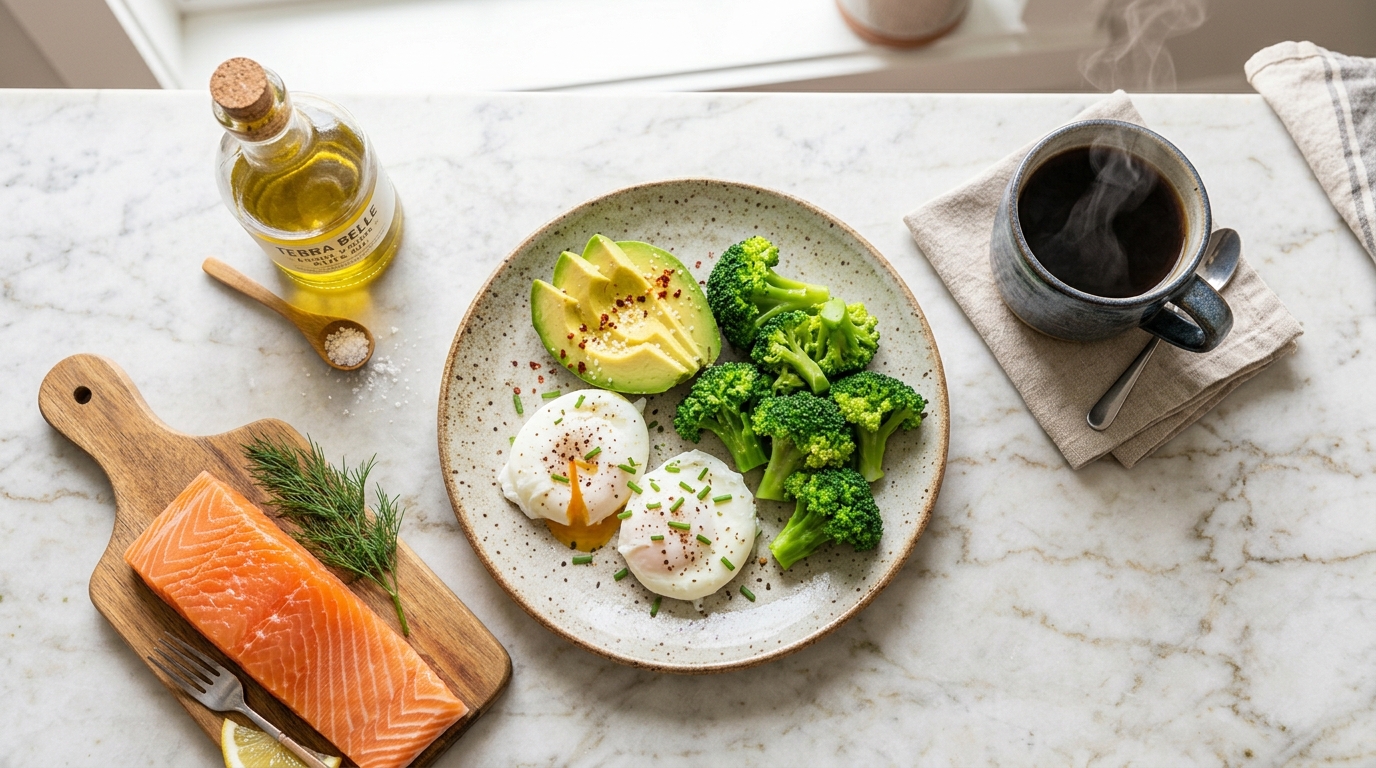
- Day 2 (The ancestral test): At a meal on a different day, try eating a couple of eggs fried in abundant ghee, or simply a good cut of meat like a Ribeye cooked in its own fat. Again, do not eat anything else (no bread, no sides, no sauces). You will see a radical difference: you will notice deep satiety, stable energy, and, most surprisingly, you will see how there is no inflammation or stomach heaviness. Your body recognizes these fats and digests them with total efficiency.
The Blacklist: Oils you must avoid
If you see these names on the label of your cooking oil, it confirms your suspicions that that food is not going to do you any good. It’s time to look for alternatives:
- Canola Oil (Rapeseed)
- Soybean Oil
- Corn Oil
- Sunflower Oil
- Safflower Oil
- Cottonseed Oil
- Grapeseed Oil
The Hidden Enemy: 99% of Ultra-Processed Foods
And this is where the industry’s trap becomes even more evident. You might think: “Well, I no longer cook with those oils at home, so I’m safe.” But it is super important to mention that today, 99% of processed and ultra-processed foods include these bad fats.
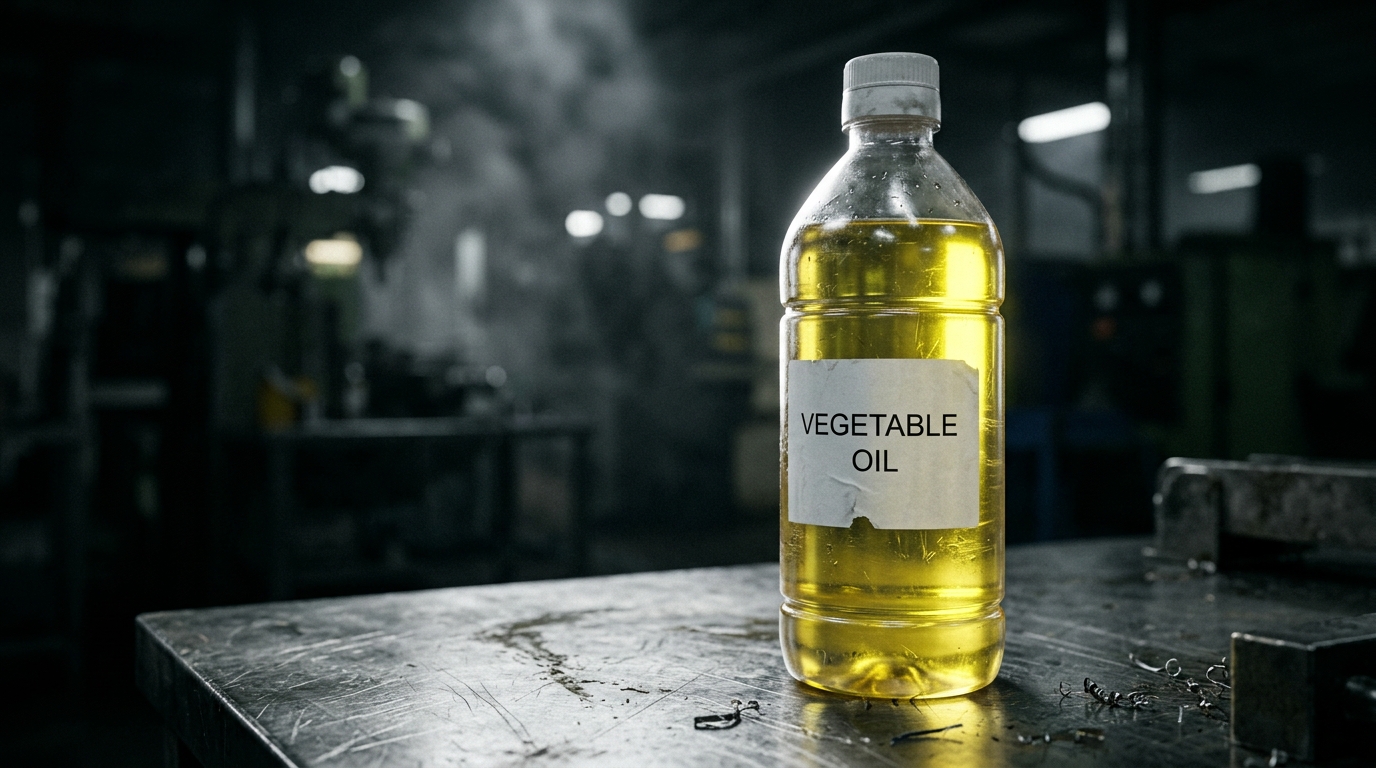
That intuition you had that “junk food” harms you is not just because of the sugar, carbohydrates, or empty calories; the main culprit is the fat they are drenched in. If you read the label of almost any packaged product in the supermarket, you will see that in the ingredient list it simply says “vegetable oil” (or mentions one from the blacklist above). You must be absolutely clear that this is exactly the same industrial, pre-oxidized, and toxic oil we have been talking about throughout the article. The industry uses it indiscriminately to cut costs and prolong shelf life on the aisles, but it does so at the expense of your arterial health. That is why it is vital that you start reading labels and avoid these foods at all costs.
To give you an idea of where this poison hides, here is a top list of processed foods that are soaked in these vegetable oils:
- Bagged potato chips: Like Ruffles, Chips, Lay’s, Pringles, etc. (they are literally deep-fried and soaked in inflammatory vegetable oil).
- Extruded snacks: Like Cheetos, Doritos, and similar snacks.
- Commercial cookies: Both sweet ones with filling and savory crackers you use to accompany meals.
- Commercial dressings and mayonnaises: The vast majority have soybean or canola oil as their first or second ingredient.
- Packaged bread and industrial bakery goods: Used to give them artificial softness and make them last weeks without going stale.
- Fast food: French fries, fried chicken, nuggets, anything that comes out of a commercial deep fryer.
- Boxed cereals and granola or “energy” bars: Yes, even the products sold to you with a “fitness” or “healthy” label are usually bound together with these oils.
The Heroes of the Kitchen: Healthy Fats and Oils
The good news is that there are excellent options that not only withstand heat but also provide real benefits to your health, since they are extracted naturally (usually through cold mechanical pressing).
- Extra Virgin Olive Oil (Cold-pressed): The undisputed king of the Mediterranean diet. It is full of antioxidants and monounsaturated fats. It is ideal for dressing salads and for cooking at medium temperatures.
- Avocado Oil: Its greatest superpower is its extremely high smoke point (it withstands a lot of heat without burning or becoming toxic). It is perfect for frying, grilling, or searing meats, maintaining a nutritional profile almost identical to olive oil.
- Coconut Oil: Being composed mainly of plant-based saturated fats, it is extremely heat-stable. In addition, it is rich in Medium-Chain Triglycerides (MCTs), a type of fat that the body quickly burns as energy.
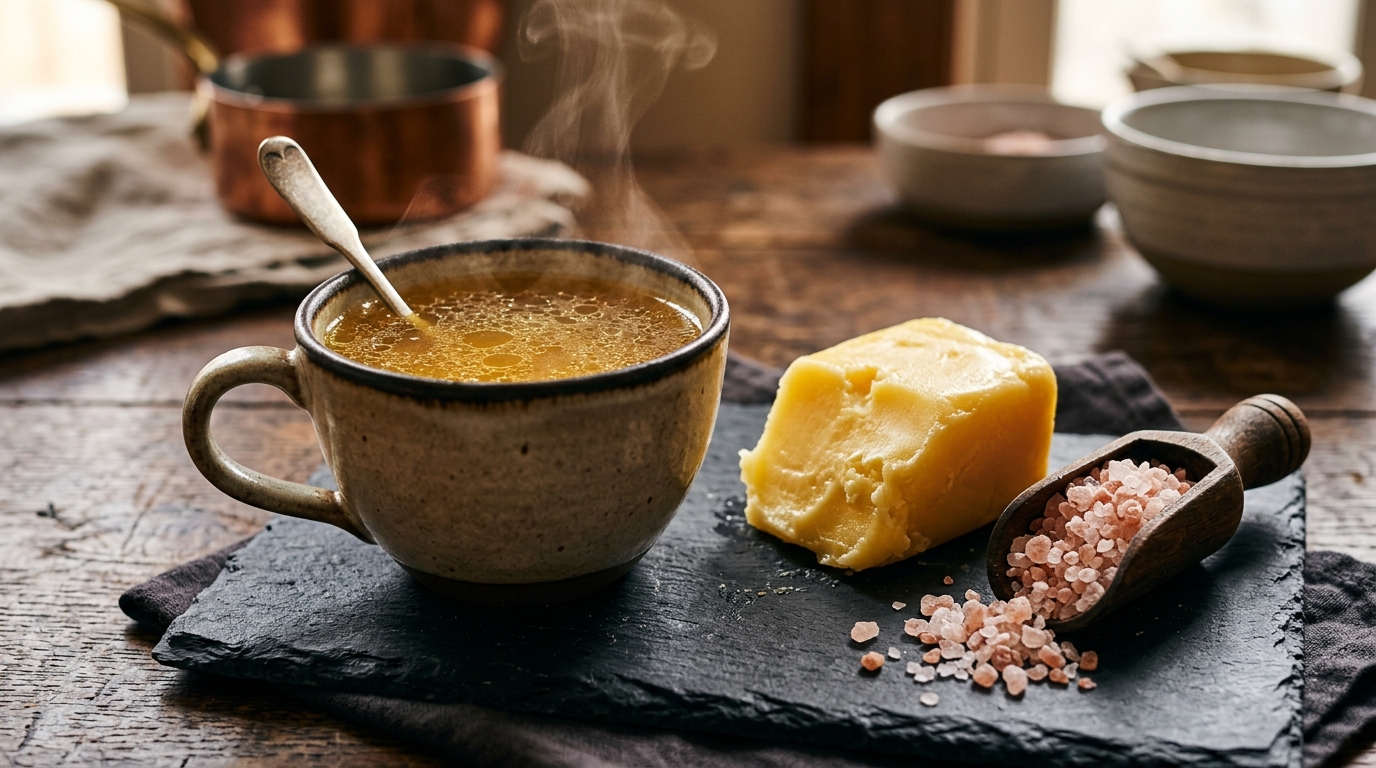
- Ghee (Clarified Butter): It is traditional butter from which the milk solids (casein and lactose) have been removed using slow heat. What remains is pure fat that withstands very high temperatures and gives a deep, toasted flavor to food.
- Butter: Real butter (from cows, ideally grass-fed) is an excellent source of fat-soluble vitamins and stable fats. It is wonderful for baking and cooking over low or medium heat.
Golden Tip: The secret to healthy cooking is not running away from all fats, but choosing the ancestral ones that your body recognizes and can process naturally.
Conclusion: Trust your intuition and make the change today
For years we were made to believe that the enemy was natural fat, while, paradoxically, they flooded us with seed oils extracted in laboratories. That deep intuition you have always had that the modern processed diet is making us sick is completely accurate. You were right to worry about “fat,” but it’s time to focus that concern on the real culprit: industrial, fake, and oxidized fat.
You don’t have to eat in fear; you just have to return to the origin. It’s time to go to your kitchen, throw away those bottles of yellow, transparent oil, and stop buying foods that contain them on their labels. Switching to healthy, stable, and real fats—like olive oil, avocado, ghee, or butter—is not just a minor tweak to your recipes; it is one of the most powerful, protective, and definitive decisions you can make for your cardiovascular health, your metabolism, and your overall well-being. Try it out, your body will know how to recognize the difference immediately.
Scientific and Bibliographic References
1. Dietary Cholesterol and the Lack of Evidence in Cardiovascular Disease
- Description: This comprehensive scientific review confirms that the consumption of dietary cholesterol from natural foods does not increase cardiovascular risk or negatively alter blood lipid levels. This research was pivotal in supporting the decision to remove strict cholesterol limits from the 2015 Dietary Guidelines for Americans.
- Link: https://pubmed.ncbi.nlm.nih.gov/29914176/
2. Omega-6 vegetable oils as a driver of coronary heart disease: the oxidized linoleic acid hypothesis
- Description: An in-depth analysis published in the journal Open Heart (BMJ) detailing how the excess of linoleic acid (Omega-6) found in industrial seed oils is highly unstable, rapidly oxidizes in the body, and acts as a primary driver of systemic inflammation and coronary heart disease.
- Link: https://openheart.bmj.com/content/5/2/e000898
3. The role of oxidized LDL in atherosclerosis
- Description: This research details the biological mechanism by which cholesterol-carrying particles (such as LDL) are not harmful on their own but become toxic and form arterial plaque (atherosclerosis) only when they undergo oxidation—a process accelerated by the consumption of unstable polyunsaturated fats and free radicals.
- Link: https://www.ncbi.nlm.nih.gov/pmc/articles/PMC2720275/
4. Heated cooking oils and cardiovascular health outcomes
- Description: A study that exposes the dangers of subjecting polyunsaturated vegetable oils to high temperatures (and the compounded damage of reheating them). It documents how heat destroys their molecular structure, generating toxic aldehydes, oxidative stress, inflammation, and direct damage to the endothelium (the inner lining of the arteries).
- Link: https://www.ncbi.nlm.nih.gov/pmc/articles/PMC6196963/
5. Health effects of trans-fatty acids: experimental and observational evidence
- Description: A clinical review demonstrating the severe damage caused by artificial trans fats (generated through hydrogenation and the high-temperature deodorization of vegetable oils). It explains how these synthetic fats drastically reduce HDL and promote cellular inflammation, unlike healthy natural fats.
- Link: https://www.ncbi.nlm.nih.gov/pmc/articles/PMC3955571/
Medical Disclaimer: The information contained in this article by Caloritrack (a product of KAI STUDIOS, S.A.S.) is strictly educational and informational. While we encourage empowerment through knowledge, neither Caloritrack nor KAI STUDIOS, S.A.S. acts as a medical entity. This content does not substitute in any way the advice, diagnosis, or treatment of a qualified medical professional. Every body is unique; always consult your primary care doctor or specialist before making significant changes to your diet, routines, or lifestyle.