



The hidden side of vegetables: What are antinutrients? 🥦🚫
When we think about eating plants, seeds, and vegetables, we automatically think “health”. And although they are fundamental for our bodies, plants keep a little evolutionary secret: antinutrients.
What are they and how long have they existed?
Antinutrients are natural compounds produced by plants. They have existed for millions of years, basically since plants have existed! Unlike animals, plants cannot run away nor do they have claws to defend themselves from predators (insects, animals, or humans). Their only form of defense is “chemical warfare”. They evolved to produce these substances and make their seeds or leaves difficult to digest, thus ensuring the survival of their species.
What do they do to the human body in general?
Generally speaking, antinutrients interfere with how our body absorbs essential nutrients. They “bind” to important minerals (like iron, calcium, or zinc) or block our digestive enzymes. This means that even if you are eating food rich in vitamins and minerals, antinutrients prevent your body from utilizing them 100%, and in large quantities, they can cause digestive discomfort or nutritional deficiencies.
Antinutrients in Detail (and where they hide)
Here I explain the main antinutrients, what they do to your body, and what foods they are found in:
1. Oxalates
- Harmful effect: They bind to calcium in the digestive tract and kidneys. This not only prevents you from absorbing calcium, but it is the main cause of kidney stone formation.
- Constant consumption: Long-term, they generate severe calcium deficiencies, bone decalcification, and chronic kidney damage due to the constant accumulation of crystals.
- Amount to cause problems: Consuming more than 200 to 300 mg a day already alters kidney function in sensitive people or those with a history of kidney issues.
- Risky amount per week: Exceeding 1,500 to 2,000 mg per week (equivalent to eating large cups of raw spinach every day) skyrockets the risk of forming stones.
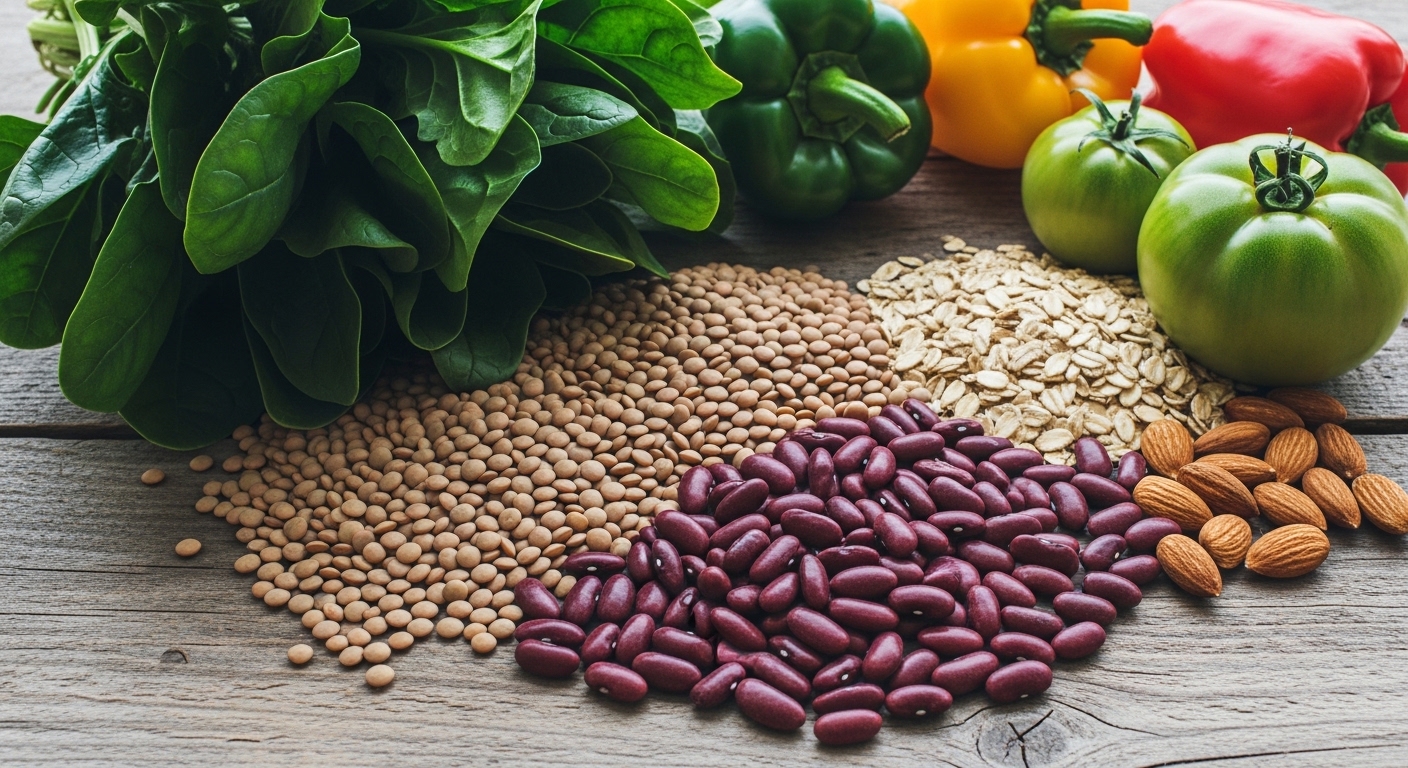
- Foods: Spinach, beets (beetroot), cocoa, chard, almonds.
2. Nitrates
- Harmful effect: Although in normal levels they have cardiovascular benefits, in excess or when reacting with heat/bacteria, they can convert into nitrites and nitrosamines—compounds that have been linked to a higher risk of cancer, in addition to interfering with oxygen transport in the blood.
- Constant consumption: Can cause chronic methemoglobinemia (the blood does not transport oxygen properly) and statistically increases the risk of certain types of gastric cancer.
- Amount to cause problems: Exceeding 260 mg in a single day (in an average adult) saturates the body’s capacity to process them safely.
- Risky amount per week: Consuming more than 1,800 to 2,000 mg weekly continuously, especially if not accompanied by antioxidants like vitamin C.
- Foods: Celery, lettuce, spinach, radishes, arugula.
3. Phytic Acid (Phytates)
- Harmful effect: It is a “mineral thief”. It binds strongly to iron, zinc, magnesium, and calcium in the intestine, preventing your body from absorbing them, which can lead to long-term deficiencies.
- Constant consumption: Causes chronic mineral malnutrition, leading to iron deficiency anemia, premature osteoporosis, and zinc deficiency (which weakens the immune system).
- Amount to cause problems: Doses above 1,000 – 2,000 mg daily drastically block the absorption of the minerals from that meal.
- Risky amount per week: An unbalanced diet exceeding 10,000 mg a week based on unsoaked grains and seeds.
- Foods: Beans, lentils, wheat (bran), oats, walnuts.
4. Lectins (In many apps it erroneously appears as Lecithins)
- Harmful effect: They are proteins that resist digestion. They can irritate the intestinal wall, damage bacterial flora, and are linked to “leaky gut”, causing systemic inflammation.
- Constant consumption: Keeps the intestine in a perpetual state of inflammation, which is strongly associated with autoimmune diseases, chronic fatigue, and severe digestive problems like Irritable Bowel Syndrome.
- Amount to cause problems: In the case of raw red kidney beans, chewing just 4 to 5 beans is enough to cause acute gastroenteritis, vomiting, and severe diarrhea within hours.
- Risky amount per week: Consuming foods rich in lectins that are poorly cooked (like legumes or grains) 2 to 3 times a week is enough to progressively damage the intestinal wall.
- Foods: Red kidney beans, soy, wheat, peanuts, raw potatoes.
5. Tannins
- Harmful effect: They are a type of antioxidant, but as an antinutrient, they bind to proteins and iron (especially plant-based iron), drastically reducing their absorption and making protein digestion difficult.
- Constant consumption: Systematically prevents the body from using iron, leading to extreme fatigue and anemia, as well as causing severe and chronic constipation.
- Amount to cause problems: Doses of more than 1 to 2 grams a day can cause nausea, stomach pain, and an almost total block of iron absorption in that meal.
- Risky amount per week: Exceeding 7 to 10 grams a week (e.g., drinking 5 to 10 cups of very strong black tea a day alongside meals).
- Foods: Black tea, coffee, red wine (grapes), green tea, pomegranates.
6. Protease Inhibitors
- Harmful effect: They block the action of crucial enzymes (like trypsin and pepsin) that our body uses to break down and digest proteins, causing poor digestion and gas.
- Constant consumption: Can generate protein malnutrition (the body does not assimilate the protein you eat) and chronic stress on the pancreas, which is forced to work twice as hard to produce more digestive enzymes.
- Amount to cause problems: Ingesting large portions (e.g., a bowl) of raw or half-cooked legumes or soy causes painful abdominal bloating and almost immediate gas.
- Risky amount per week: Including these foods without proper soaking or cooking more than 3 times a week subjects the pancreas to constant unnecessary stress.
- Foods: Soy, chickpeas, lentils, peanuts, raw oats.
7. Goitrogens
- Harmful effect: They interfere with iodine absorption in the thyroid gland. Long-term and in large quantities, they can cause hypothyroidism or the enlargement of the thyroid (goiter).
- Constant consumption: Slows down basal metabolism by suppressing thyroid hormones, causing weight gain, chronic fatigue, hair loss, and eventually, goiter disease.
- Amount to cause problems: Consuming more than 1 kilogram of raw cruciferous vegetables a day starts to aggressively compete with iodine in your body.
- Risky amount per week: A sustained consumption of 5 to 7 kilos weekly of these vegetables in their raw form, especially if the diet is poor in natural iodine.
- Foods: Broccoli, cauliflower, cabbage, Brussels sprouts, turnips.
8. Cyanogenic Glycosides
- Harmful effect: When chewed and digested, they release hydrogen cyanide into the body. In small amounts, the body processes it, but in high doses, it is highly toxic for cellular respiration.
- Constant consumption: Long-term, low-level chronic poisoning affects the nervous system, can cause optic nerve damage, and motor weakness (like Konzo disease).
- Amount to cause problems: Between 0.5 and 3.5 mg of cyanide per kilo of body weight is lethal. Eating around 50 apricot/peach pits, or raw cassava, can be fatal for an adult.
- Risky amount per week: Eating even between 10 and 20 seeds of this type per week, or frequently consuming poorly processed cassava, already exposes the body to neurological toxicity.
- Foods: Bitter almonds, cassava (raw manioc), apple seeds, peach/apricot pits, sorghum.
9. Glycoalkaloids (e.g., Solanine)
- Harmful effect: They are toxic compounds that can damage the cellular membranes of the intestine and affect the nervous system, causing everything from headaches to severe gastric problems.
- Constant consumption: Causes chronic joint pain (frequently associated with nightshade sensitivity), inflammation of the intestinal lining, and mild but persistent nerve dysfunction.
- Amount to cause problems: From 1 to 3 mg per kilo of body weight causes toxicity. Ingesting just 100 grams of a very green potato can already provoke vomiting, headaches, and diarrhea.
- Risky amount per week: Eating potatoes with green hues or sprouts regularly, totaling more than 400 – 500 grams a week of product in poor condition.
- Foods: Green or sprouted potatoes, green tomatoes, eggplants, bell peppers, goji berries.
10. Saponins
- Harmful effect: They create a kind of “foam” in the intestine. They can increase intestinal permeability (damaging the stomach barrier) and interfere with normal digestion.
- Constant consumption: Slowly destroy the mucous layer that protects the intestine, facilitating the passage of toxins into the blood (leaky gut) and triggering long-term autoimmune responses.
- Amount to cause problems: Eating a cup of quinoa or chickpeas without rinsing or soaking is enough to cause stomach discomfort, heaviness, and diarrhea within hours.
- Risky amount per week: Consuming 3 to 4 cups of saponin-rich foods without proper prior washing every week.
- Foods: Quinoa, chickpeas, soybeans, oats, spinach.
11. Mycotoxins
- Harmful effect: (Note: These are not produced by the plant, but by fungi growing on them). They are highly toxic. They can cause acute liver damage, suppress the immune system, and some (like aflatoxins) are potent carcinogens.
- Constant consumption: Sustained exposure is directly linked to the development of liver cancer, severe cellular mutations, irreversible kidney damage, and profound immunosuppression.
- Amount to cause problems: Their toxicity is so high that it is measured in parts per billion. Consuming a single meal heavily contaminated with mold (even if not visible to the naked eye in poorly stored peanuts) can cause acute liver intoxication.
- Risky amount per week: Any regular weekly consumption of grains, seeds, or nuts of doubtful origin, poorly dried, or exposed to moisture exceeds the safe level, as their damage is cumulative in the body.
- Foods: Peanuts, corn, poorly stored cereals (with moisture), tree nuts, wheat.
How can we reduce antinutrients? (Millenary techniques)
Before we get scared, we must remember that our ancestors already knew how to deal with this. There are very famous and effective traditional methods to drastically reduce the amount of antinutrients in our plant foods:
- Soaking: Leaving foods like rice, oats, or legumes (like beans and chickpeas) submerged in warm water with an acidic medium (a few drops of lemon or apple cider vinegar) for 12 to 24 hours before cooking deactivates much of the phytic acid and lectins. That’s why grandmothers always leave beans soaking overnight and throw that water away!
- Fermentation: Processes like using sourdough for bread, or fermenting vegetables and legumes (like sauerkraut, kefir, kombucha, or natto), use beneficial bacteria that “predigest” antinutrients and release minerals so we can absorb them.
- Sprouting: Making seeds, grains, or legumes start to sprout enormously decreases phytates and protease inhibitors, simultaneously multiplying the availability of their vitamins.
- Proper cooking: Boiling at high temperatures (especially in a pressure cooker) destroys most lectins, goitrogens, and glycoalkaloids. This is the reason why we should never consume legumes, raw cereals, or uncooked potatoes.
Quick Conclusion:
Don’t panic! It doesn’t mean you should stop eating vegetables. However, if you decide to consume them regularly, the key is to avoid falling into the daily habit of eating exactly the same foods with large amounts of antinutrients every day in the same way. If you are going to consume them, it is essential to know and always apply the best methods and techniques (like soaking, sprouting, or fermenting) to eliminate a good part of them and protect your gut.
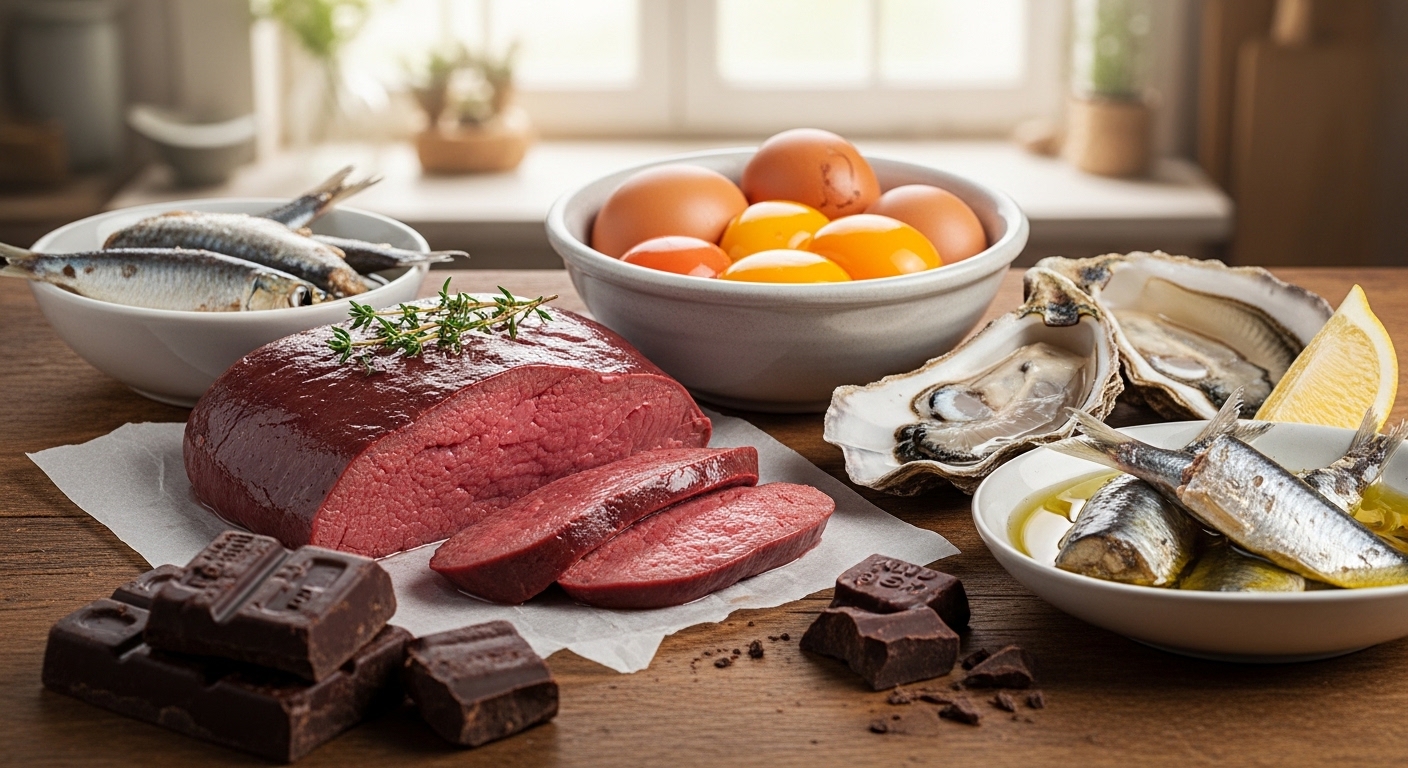
Additionally, it is very important to highlight that there is an excellent alternative to nourish the body: animal-based foods (like meats, eggs, quality dairy, and organs). These foods not only provide an immense amount of highly bioavailable minerals and vitamins (your body absorbs them easily) without the harmful effects of antinutrients, but they are also much more nutritionally dense. This means they are present in greater amounts per gram; with a much smaller amount of food, you get significantly more minerals and vitamins. Combining your options wisely and knowing how to process your foods is the true secret to optimal nutrition.
References & Scientific Evidence
1. Title: A review on anti-nutritional factors: unraveling the natural gateways to human health
- Description: This comprehensive review details the classification of anti-nutritional factors (phytic acid, saponins, protease inhibitors, tannins, etc.), how these compounds alter or block the absorption of essential nutrients (such as vitamins, minerals, and proteins), and their variable effects on human metabolism and gut health depending on the quantity consumed.
- URL: https://www.ncbi.nlm.nih.gov/pmc/articles/PMC10501406/
2. Title: Genetic manipulation of anti-nutritional factors in major crops for a sustainable diet in future
- Description: A scientific article analyzing the evolutionary role of “chemical defense” in plants and medically explaining how major antinutrients (lectins, goitrogens, oxalic acid, etc.) present in crops and legumes hinder the action of digestive enzymes and drastically reduce the nutritional bioavailability of plant-based diets.
- URL: https://www.ncbi.nlm.nih.gov/pmc/articles/PMC9976781/
3. Title: Bacterial Degradation of Antinutrients in Foods: The Genomic Insight
- Description: This study delves into how traditional and biological food processing techniques, specifically fermentation and soaking (bacterial degradation), manage to break down antinutrients in plant-based foods to counteract their toxic effects and significantly improve the assimilation of minerals by the human body.
- URL: https://www.ncbi.nlm.nih.gov/pmc/articles/PMC11311503/
Medical Disclaimer: The information contained in this article by Caloritrack (a product of KAI STUDIOS, S.A.S.) is strictly educational and informational. While we encourage empowerment through knowledge, neither Caloritrack nor KAI STUDIOS, S.A.S. acts as a medical entity. This content does not substitute in any way the advice, diagnosis, or treatment of a qualified medical professional. Every body is unique; always consult your primary care doctor or specialist before making significant changes to your diet, routines, or lifestyle.