



Here is the complete, unabridged translation of the post into English. Every section, table, and scientific detail has been meticulously preserved.
Protein Powder (Vegan & Whey) vs. Real Food: The Ultimate Scientific Analysis
To truly understand what you are putting into your body, reading the grams of protein on the back of the tub isn’t enough. You have to analyze the real bioavailability, the amino acid profile, and everything else that accompanies that protein: from digestive enzymes and probiotics to texturizers and antinutrients.
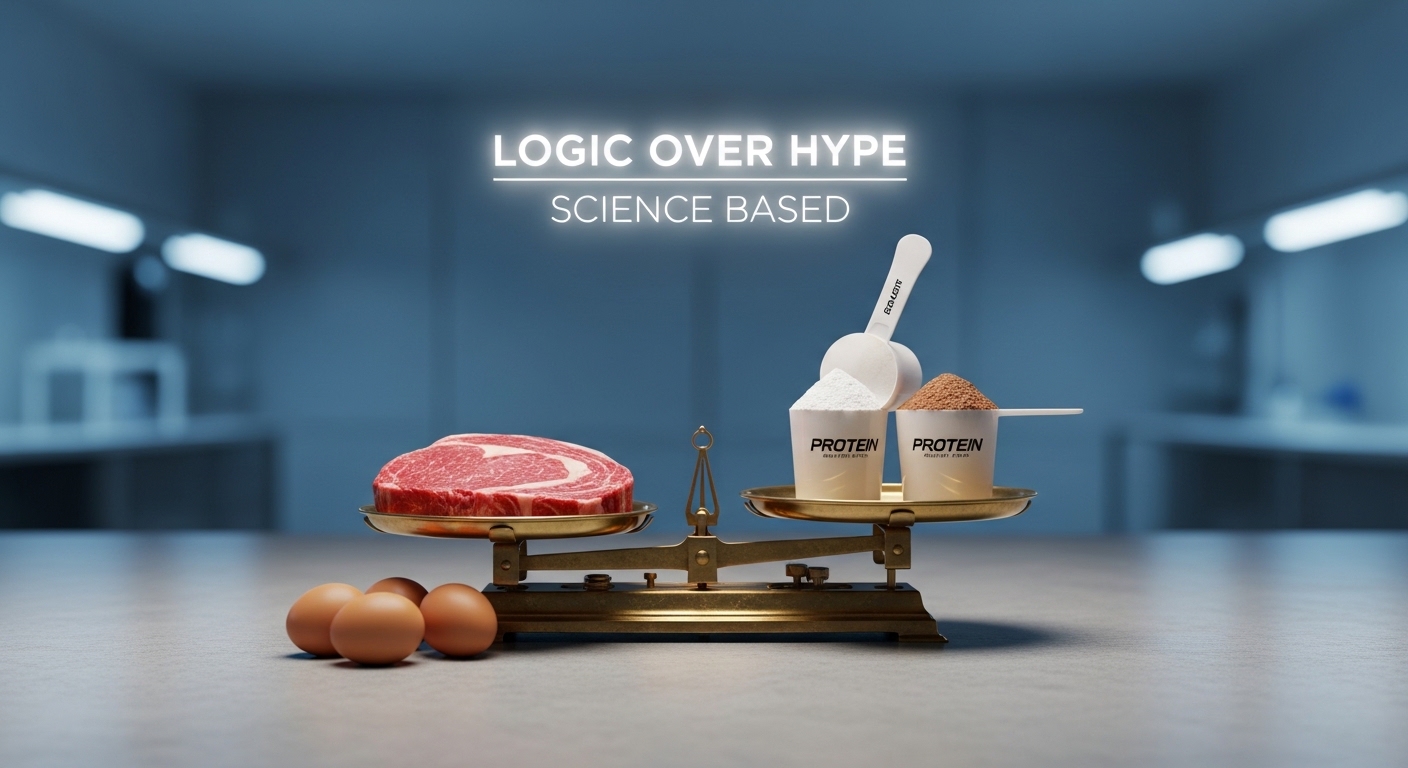
Here, we break down the science behind protein powders (focusing on premium vegan blends like Birdman and Whey protein) versus intact, real food like eggs and a ribeye steak.
1. Bioavailability and Amino Acid Profile: The Raw Numbers
Bioavailability measures how much of the protein you consume is actually absorbed, retained, and used by your body to build tissue. It doesn’t matter if you consume 30 grams of plant protein if your body can only assimilate 15.
Currently, science uses several methods to measure this. The most precise are Biological Value (BV), PDCAAS (Protein Digestibility-Corrected Amino Acid Score), and the most modern and accurate, DIAAS (Digestible Indispensable Amino Acid Score), which measures absorption at the end of the small intestine.
- Real Food (Egg and Ribeye) and Whey Protein: These have near-perfect bioavailability. They contain all 9 essential amino acids in the exact proportions the human body needs for muscle protein synthesis. The whole egg is considered the biological “gold standard,” while Whey protein has an ultra-fast absorption rate that spikes leucine levels in the blood.
- Vegan Protein (Pea, Rice, Quinoa, and Seed Blend): On their own, plant proteins are incomplete or limited by their low bioavailability. Pea protein is low in the amino acid methionine, and rice is deficient in lysine. The magic of food engineering happens in the blend. By combining pea, rice, quinoa, sacha inchi, and pumpkin/cranberry seeds, the missing amino acids are complemented, creating a complete profile. However, its assimilation (DIAAS) remains lower than animal protein because plant proteins are bound to fibers and antinutrients that make them harder to break down in the stomach.
Specialized Protein Bioavailability Table:
| Protein Source | Biological Value (BV) | PDCAAS (Max 1.0) | DIAAS (Real Absorption) | Amino Acid Profile |
| Whey Protein (Isolate) | 104 – 159 (Excellent) | 1.00 | 1.09 – 1.25 | Complete (High Leucine) |
| Whole Egg | 100 (Gold Standard) | 1.00 | 1.13 – 1.18 | Complete (Perfect balance) |
| Beef (Ribeye) | 80 (Very Good) | 0.92 | 1.10 – 1.13 | Complete |
| Pea Protein | 65 (Low) | 0.89 | 0.82 | Incomplete (Low in methionine) |
| Rice Protein | 74 (Medium) | 0.50 | 0.37 – 0.47 | Incomplete (Low in lysine) |
| Vegan Blend (e.g., Birdman) | ~80 – 85 (Estimated) | ~0.90 – 0.95 | ~0.85 – 0.90 | Complete via complementation |
Note on the table: A DIAAS greater than 1.0 means the protein exceeds basic human requirements, making it a source of the highest biological quality.
2. The Industry Deception: “Amino-Spiking” and Accounting Tricks
When you read “24 grams of protein” on a supplement label, you need to know how that is measured in a lab. The FDA and other agencies don’t count amino acids one by one; they measure the total nitrogen of the powder and multiply it by a factor to estimate the protein. This is where a legal but deeply deceptive practice comes in: Amino-Spiking (or nitrogen spiking).
- The Supplement Trap: To cut costs, many brands (both Whey and vegan powders) fill their formulas with extremely cheap, isolated amino acids that are high in nitrogen, such as glycine, synthetic taurine, or creatine. The lab reads a high nitrogen level and certifies “25g of protein,” but in reality, your tub might only have 15g of complete, muscle-building protein. You are paying for cheap nitrogen disguised as premium protein.
- The Contrast with Real Food: A chicken egg or a piece of ribeye will never lie to you. It’s impossible to “Amino-Spike” an animal. What you see on your plate is intact, 100% real complete structural protein, without any laboratory accounting tricks.
3. The Mineral Analysis: Bioavailability vs. Additives
- Vegan Powder (Lithothamnium calcareum algae): When processing plants to extract only the protein (isolate), essential nutrients are lost. To compensate, premium powders add this red calcareous algae. It is an excellent, natural, and bioavailable source of calcium, magnesium, and provides up to 72 trace minerals. However, it is still an added supplement to a processed matrix; furthermore, the presence of phytic acid in pea and seed protein can block the absorption of some of these very minerals.
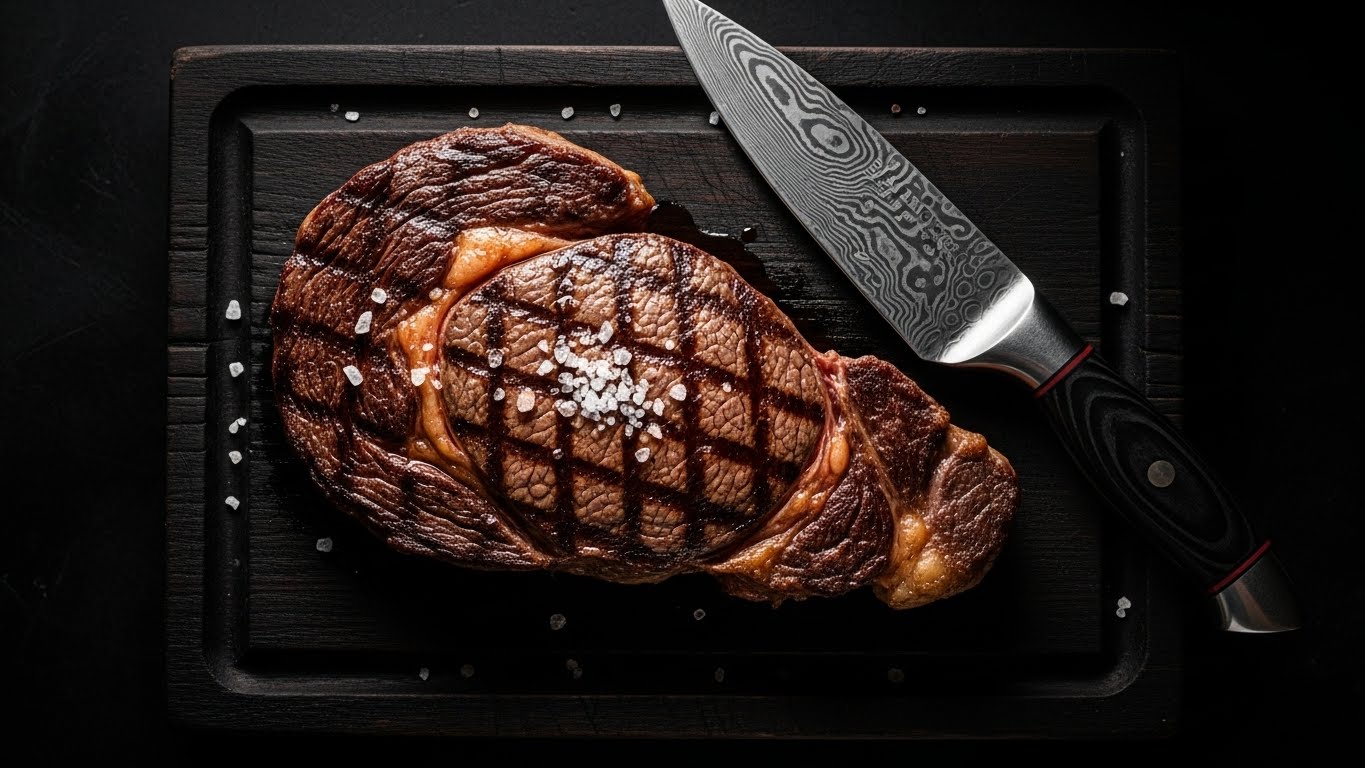
- Real Food (Ribeye and Egg): Minerals come in their most absorbable form thanks to the evolutionary “food matrix.” Ribeye provides heme iron (up to 5 times more absorbable than plant iron) and highly bioavailable zinc. The egg provides selenium, iodine, phosphorus, and choline in the yolk. They don’t need to be fortified; nature already did the perfect biochemical packaging.
4. “Ghost” Nutrients: Beyond Amino Acids
We tend to reduce nutrition to “macros” (proteins, fats, carbs), but real food contains crucial bioactive compounds for the brain and physical performance that only exist in the animal matrix and are glaringly absent in plant-based powders.
- The Vegan Powder Void: By isolating proteins from plants, you get the amino acids, but you leave out master molecules of human biology. A scoop of vegan protein contains zero of the following natural compounds.
- The Hidden Wealth of Ribeye and Egg:
- Creatine: Abundantly present in beef. It is the undisputed king of cellular energy (ATP), physical performance, and cognition.
- Carnosine and Anserine: Powerful intracellular antioxidants exclusive to meat that delay muscle fatigue and combat cellular aging.
- Vitamin B12 (Active Cobalamin): Essential for the nervous system. Plants do not produce it (unless synthetically added to the powder).
- Choline: Concentrated in the egg yolk, it is a precursor to acetylcholine, the primary neurotransmitter for memory and mental focus.
5. Digestion and Assimilation: Enzymes and Probiotics
- Vegan Powder (Papain, bromelain, proteases, peptidases, and Bacillus coagulans): Isolated plant proteins, especially legumes like peas, can be very heavy on the gastrointestinal tract and generate inflammation or gas due to residual oligosaccharides. Because of this, they are forced to add digestive “helpers”:
- Papain (from papaya) and Bromelain (from pineapple): Enzymes that break the peptide bonds of tough proteins.
- Fungal protease and peptidases: They break down proteins into free amino acids so your intestine can absorb them before they ferment and cause gas.
- Probiotics (Bacillus coagulans): This is a spore-forming strain, meaning it survives stomach acid and reaches the intestine alive to support gut flora and reduce inflammation. All of this is a highly effective and necessary biological “patch” to improve the product’s tolerance.
- Whey Protein: If you lack the lactase enzyme (you are lactose intolerant) and consume a cheap concentrate, it will cause severe inflammation. A high-quality whey isolate absorbs extremely fast but lacks integrated enzymes.
- Real Food: Your body uses its own stomach acids (HCl) and pancreatic enzymes to digest meat and eggs. A ribeye takes longer to digest due to its healthy saturated fat content, providing hours of stable satiety without insulin spikes, and it rarely generates the bloating or gas associated with plant fibers and antinutrients.
6. The Fine Print: Texturizers, Antinutrients, and Sweeteners (The Impact Over Time)
Powders need a lot of chemical and physical help to taste like creamy vanilla and not have the texture of wet sand. Real food needs absolutely nothing. This is where frequent consumption (1 or 2 scoops daily) begins to show its true physiological colors over time.
- Organic Gums (Guar, Xanthan, Arabic): These are used exclusively as emulsifiers to provide creaminess, thicken the shake, and prevent the powder from separating from the water.
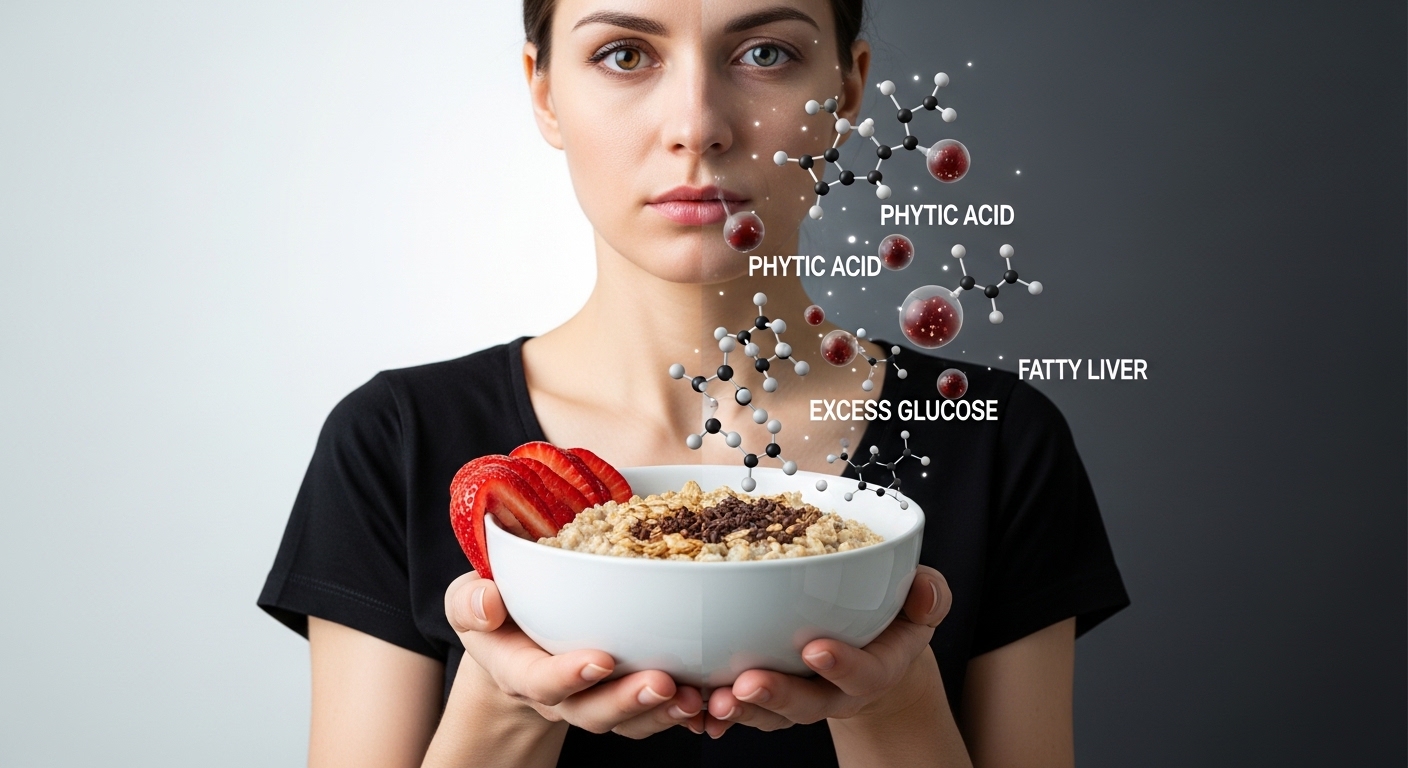
- Short-term effects (Immediate): In people with sensitive digestive systems, Irritable Bowel Syndrome, or SIBO, these gums (which are indigestible polysaccharides) ferment rapidly in the colon, causing acute gas and abdominal bloating. Additionally, by forming a highly viscous gel in your stomach and intestine, they slow digestion and physically trap vitamins and minerals, preventing the intestinal wall from absorbing them 100%. Add to this the natural phytic acid from peas and seeds, which is a famous “chelator” (binder) of zinc, iron, and calcium.
- Medium-term effects (Weeks to months): The daily consumption of this constant intestinal “gel” can alter your bowel patterns. If you don’t drink enough water, gums can cause severe constipation; conversely, in sensitive intestines, they can cause osmotic diarrhea. Constant daily fermentation begins to shift the balance of your microbiome, favoring methane or hydrogen sulfide-producing bacteria, which chronifies low-grade intestinal inflammation.
- Long-term effects (Months to years): This is the critical point. Studies on dietary emulsifiers and gums show that chronic consumption can thin and degrade the protective mucus layer lining your gut. When this mucosal barrier wears down, bacteria come into direct contact with epithelial cells, promoting intestinal permeability (“Leaky Gut”) and systemic autoimmune responses. Furthermore, the daily “chelation” of minerals by the gum/phytic acid mix can lead you to chronic subclinical deficiencies: your blood work might look normal at first, but over the years, that slight lack of absorbable zinc or iron starts to impact your hair health, testosterone or thyroid hormone production, and bone density, even if your diet looks “perfect” on paper.
- Sweeteners (Stevia, Monk Fruit) and Flavorings (Cacao, Vanilla, Chai):
- Short to medium term: They are excellent, safe alternatives to sugar, as they do not directly raise glucose or insulin. However, on a neurological level, receiving an intensely sweet taste without the corresponding caloric intake can temporarily confuse the brain’s satiety response (the cephalic phase of digestion), triggering sweet cravings later in the day.
- Long term: Chronic consumption of highly purified Stevia extracts (steviosides) has begun to be studied for its ability to slightly alter bacterial communication (Quorum Sensing) in the large intestine over the years, which could modify which bacterial strains predominate in your microbiome. (Note: the unflavored “Natural” version is usually the cleanest as it avoids Stevia and any sweetness alteration).
- Himalayan Pink Salt and Cinnamon: Act as flavor enhancers and natural preservatives, providing minimal traces of minerals and, in the case of cinnamon, slightly aiding insulin sensitivity in the short and medium term.
7. The Plant Paradox: Fibers, Antinutrients, and the Myth of Digestion
We constantly hear in the media that plants and their fibers are the absolute, necessary pillar of digestive health. But a fascinating evolutionary and biochemical contradiction arises when we compare high-end plant powders with real animal food.
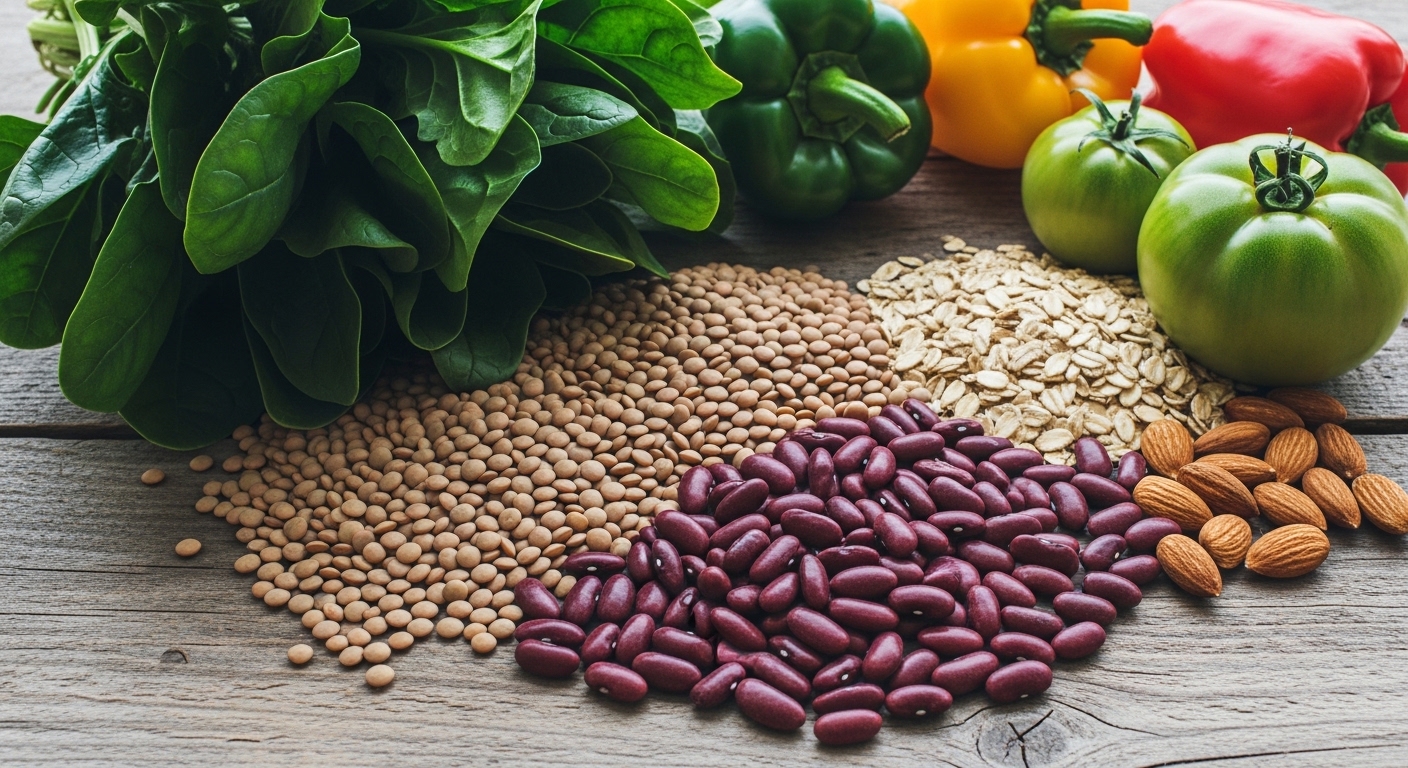
- The plant’s defense mechanism: Plants don’t have claws and can’t run away from predators. Their defense system is chemical. They produce natural toxins and antinutrients (like phytic acid in seeds, oxalates, lectins in legumes, and protease inhibitors) specifically designed to survive digestion, irritate the predator’s gut, inhibit their digestive enzymes, and bind their minerals so the seed can be defecated intact and planted elsewhere.
- The human enzymatic deficiency: Unlike cows or gorillas, which have massive digestive tracts with fermentation chambers (huge cecum and colon) designed to break down plants, human anatomy is different. We have a highly acidic stomach and a very long small intestine, optimized for absorbing animal fats and proteins. Humans do not produce enzymes like cellulase (to break down plant fiber) or phytase (to neutralize phytic acid).
- The supplement trap: This biological deficiency explains why vegan protein brands are forced to add a cocktail of synthetic or fungus-grown enzymes (like fungal proteases and peptidases) into their tubs. If legume protein were so natural and perfect for humans, you wouldn’t need to ingest lab-made enzymes to digest it without bloating. The body simply lacks the tools to process massive concentrations of plant derivatives without external help.
- The flawless contrast with Real Food: Beef (Ribeye) and eggs have exactly zero antinutrients and zero irritating insoluble fiber. Your body doesn’t need a single ounce of laboratory help to process them. The human stomach, with its ultra-acidic pH (1.5 – 2.0, similar to scavengers), naturally activates its own pepsin to unfold the ribeye proteins masterfully, while the liver releases bile to emulsify the healthy saturated fats in the yolk. The digestion and absorption of meat and eggs happen almost entirely in the small intestine silently, efficiently, and completely. With no cellulose or antinutrients, they leave very little residue to ferment or irritate the colon. While plants require noisy bacterial fermentation and mechanical irritation (fiber) to “push” the waste out, eggs and ribeye are absorbed almost completely, nourishing at a cellular level with perfect evolutionary efficiency.
8. The Elephant in the Room: Heavy Metals and the Biological Filter
There is a latent risk in plant-based supplementation that the industry doesn’t want to talk about: the concentration of soil toxins.
- Plants as “sponges”: Crops like rice and peas are natural biological accumulators; they stubbornly absorb heavy metals like arsenic, lead, and cadmium present in the soil and agricultural irrigation water. When you process thousands of kilos of these vegetables to extract only the protein and shove it into a tub, you are drastically concentrating those heavy metals. This is why many vegan powders fail independent lab tests and carry legal toxicity warnings (like Proposition 65 in California).
- The animal as a Biological Filter: This is where real food wins again. The cow and the chicken act as high-tech biological filters. Their livers and kidneys process, neutralize, and filter out most of the environmental toxins and soil metals before they ever reach the muscle tissue (the ribeye) or the ovaries (the egg). Consuming the animal protects you because it already did the dirty filtration work for you, offering a biologically much cleaner food.
9. The Role of Fats and the Hidden Gallbladder Risk
There is a critical metabolic factor that almost no one mentions when replacing real food with shakes: macronutrient isolation and gallbladder health.
- The danger of “ultra-lean” proteins: Industrial processes to create protein powders (both Whey and vegan) focus on isolating the protein, stripping away practically all natural fat. One scoop of powder gives you about 24g of protein, but barely 1g or 2g of fat. If you rely on these shakes and, additionally, follow a generally low-fat diet (believing it to be “healthier” or more fitness-oriented), you are putting your gallbladder at direct risk.
- Bile stasis and gallstones: Your liver continuously produces bile and stores it in the gallbladder. The primary physiological signal for the gallbladder to contract and empty that bile into the intestine is the presence of fats in your food (triggered by the release of a hormone called cholecystokinin or CCK). If you constantly consume fat-free protein shakes and lean meals, your gallbladder never receives the stimulus to empty. The bile sits there (bile stasis), becomes thick, the cholesterol inside it crystallizes, and boom: gallstones are formed. Paradoxically, extreme low-fat, high-powder diets are a leading cause of gallbladder surgeries.
- The natural protection of Real Food: When you consume a whole egg (with its yolk) or a Ribeye steak, you are ingesting a protein naturally packaged with healthy fats (saturated and monounsaturated). This combination is nature’s perfect design: the protein nourishes your muscles, while the fat stimulates a vigorous gallbladder contraction. Bile flows, your gallbladder cleans itself, and remains active and healthy.
- The solution if you use powder?: If you decide to use protein powder, it is vital that you do not have a phobia of fats. You must consciously add lipid-rich sources to your diet or your shake (like a good splash of extra virgin olive oil, half an avocado, or a handful of macadamia nuts) to ensure your gallbladder receives the emptying signal and you prevent bile stasis.
10. Financial Analysis: Real Cost per Protein Serving
Beyond biology, there’s the impact on your wallet. Let’s analyze how much it truly costs to get a standard serving of protein (approximately 24 to 25 grams, equivalent to one “scoop” or a meal serving) in Mexico, to understand if the convenience of the tub justifies the price compared to whole food. (Note: Prices are estimated averages in the current Mexican market in MXN and may vary depending on brand or quality).
Cost Analysis Table (Cost per ~24-25g of Protein):
| Protein Source | Serving size for ~24g | Estimated Avg. Cost (MXN) | What else do you get for your money? |
| Whole Eggs | 4 large eggs (6g each). | $12 – $15 MXN | The absolute king of cost-benefit. Provides B vitamins, choline, cellular cholesterol, and protects your gallbladder. |
| Whey Protein (Isolate) | 1 scoop (approx. 30g powder). | $25 – $35 MXN | Ultra-fast absorption and leucine. Risk of “Amino-Spiking” in low-quality brands. |
| Premium Vegan Blend | 1 scoop (approx. 30g powder). | $35 – $45 MXN | You pay for the food engineering (enzymes, texturizers). Risk of heavy metal concentration. |
| Beef (Ribeye) | ~100 grams. | $45 – $60 MXN | Premium bioactive food. Provides heme iron, natural creatine, carnosine, and unmatched satiety. |
As the table shows, the egg economically destroys any protein powder on the market, providing evolutionarily perfect nutrition at a fraction of the price. Premium vegan powder ends up being one of the most expensive options per serving due to the extensive processing and additives required to assimilate it.
Definitive General Comparison Table: Supplement vs. Real Food
| Feature | Vegan Blend (e.g., Birdman) | Whey Protein (Isolate) | Real Food (Egg / Ribeye) |
| Amino Acid Origin | Multiple sources combined. | Single source (milk). | Single natural source, perfect biological profile. |
| Bioavailability (DIAAS) | ~0.85 – 0.90 (Good). | 1.09 – 1.25 (Excellent/Superior). | 1.10 – 1.18 (Excellent/Superior). |
| “Amino-Spiking” Risk | High (Common industry practice). | High (Common industry practice). | Zero (Impossible to alter). |
| Mineral Complex | Added (Algae, synthetics). | Natural from milk. | Natural, highest absorption (Heme Iron, Zinc). |
| “Ghost” Nutrients | Absent (Requires supplementation). | Absent or minimal traces. | Abundant (Creatine, Carnosine, Taurine, Choline). |
| Digestibility & Satiety | Requires artificially added enzymes. Medium satiety. | Fast absorption. Low satiety. | Perfect digestion by the body. Extremely high satiety. |
| Additives & Texturizers | Thickening gums, sweeteners, flavors. | Sweeteners, colors, lecithin. | Absolutely None. |
| Presence of Antinutrients | Yes (Affect mineral absorption). | No. | No (Zero intestinal irritants). |
| Heavy Metals (Lead, etc.) | Risk due to plant concentration. | Low. | Low (The animal acts as a biological filter). |
| Gallbladder Health | Fat-free. Risk of bile stasis if lipids aren’t added. | Ultra lean. Risk of stasis. | Natural synergy. Contains fats that prevent gallstones. |
Conclusion and the Non-Vegan Dilemma
If you are looking for practicality, post-workout immediacy, or you lead a plant-based lifestyle for ethical reasons, a well-formulated vegan supplement (with enzymes, algae, and multiple protein sources) or a high-purity Whey protein are fantastic, valid modern tools to hit your macros.
However, if your goal is the maximum bioavailability of real nutrients, protecting your intestinal mucosal barrier long-term by avoiding gums and emulsifiers, obtaining minerals in their purest and most absorbable chemical form without the risk of deficiencies, and comprehensively caring for organs like your gallbladder by providing natural fats, absolutely nothing manufactured in a lab beats the evolutionary nutritional matrix of real food like whole eggs and a good cut of meat. Use the powder for what it is: a convenient supplement (making sure to add healthy fats to your day). Use meat and eggs for what they are: the non-negotiable foundation of your structural and metabolic health.
To close without dogmatism: Is it worth taking vegan protein if you are NOT vegan?
We completely understand that many people choose veganism out of profound love, respect, and empathy for animals. If that is your conviction, it is an immensely respectable decision, and in that case, high-tech vegan powders (like the Birdman blend) are a necessary lifesaver to prevent deficiencies.
But if your compass is not dictated by animal ethics, and you are simply looking for what is biologically best for your body, the answer is clear: it is not in your best interest to replace animal protein with plant powders. Your body is a machine fine-tuned over millions of years to extract, absorb, and utilize every last gram of amino acids, “ghost” bioactives, vitamins, and fats from eggs and meat without suffering inflammation, without dealing with antinutrients, free from the risk of amino-spiking, and at a much lower economic cost. If you are not vegan, don’t complicate your digestion or your wallet with complex laboratory formulations; embrace the perfection of real food.
References & Scientific Evidence
1. Protein Quality Evaluation & Bioavailability (DIAAS vs. PDCAAS)
- Title: Protein quality evaluation twenty years after the introduction of the protein digestibility corrected amino acid score method.
- Description: This foundational paper reviews the methods for measuring actual protein absorption in the human body. It supports the superiority of eggs and whey, explaining how the “food matrix” and antinutritional factors in plants (like legumes) drastically reduce the actual digestibility of amino acids, justifying the scientific shift toward the DIAAS method.
- URL: https://www.cambridge.org/core/journals/british-journal-of-nutrition/article/protein-quality-evaluation-twenty-years-after-the-introduction-of-the-protein-digestibility-corrected-amino-acid-score-method/51E5092761DA6004F1B081B204AAAB99
2. The Impact of Gums and Emulsifiers on the Intestinal Barrier
- Title: Dietary emulsifiers impact the mouse gut microbiota promoting colitis and metabolic syndrome.
- Description: A landmark study published in the journal Nature. It demonstrates how the regular consumption of gums and emulsifiers (massively used in protein powders for texture) thins and degrades the protective mucus layer of the gut, negatively altering the microbiota and promoting chronic systemic inflammation and intestinal permeability (“Leaky Gut”).
- URL: https://www.nature.com/articles/nature14232 / https://pmc.ncbi.nlm.nih.gov/articles/PMC5940336/
3. Heavy Metal Concentration in Protein Powders
- Title: A human health risk assessment of heavy metal ingestion among consumers of protein powder supplements.
- Description: This research analyzes the alarming level of heavy metal contamination (arsenic, cadmium, lead) in commercial supplements. It backs the argument that plants act as soil toxin “sponges,” and how the massive industrialization of plant proteins concentrates these metals, unlike animals that act as natural biological filters.
- URL: https://pmc.ncbi.nlm.nih.gov/articles/PMC7509468/
4. Biliary Stasis, Low-Fat Diets, and Gallstones
- Title: Review: low caloric intake and gall-bladder motor function.
- Description: This clinical review explains gallbladder physiology and supports the post’s warning: consuming ultra-lean protein shakes or diets (without fats) fails to stimulate the release of the CCK hormone. This causes biliary stasis (stagnant bile), which dramatically increases the risk of cholesterol crystallization and gallstone formation.
- URL: https://pubmed.ncbi.nlm.nih.gov/10903004/
5. Industry Deception: Amino-Spiking
- Title: The Citizens Protein Project 2: The first publicly crowd-funded observational study on exhaustive analysis of popular whey protein supplements…
- Description: A recent, independent laboratory analysis that exposes deceptive practices within the supplement industry. It demonstrates how a large number of brands lie on their labels through “Amino-Spiking” (adding cheap nitrogen sources like synthetic taurine or glycine) to falsely inflate the total grams of protein per serving.
- URL: https://pmc.ncbi.nlm.nih.gov/articles/PMC12622730/
Medical Disclaimer: The information contained in this article by Caloritrack (a product of KAI STUDIOS, S.A.S.) is strictly educational and informational. While we encourage empowerment through knowledge, neither Caloritrack nor KAI STUDIOS, S.A.S. acts as a medical entity. This content does not substitute in any way the advice, diagnosis, or treatment of a qualified medical professional. Every body is unique; always consult your primary care doctor or specialist before making significant changes to your diet, routines, or lifestyle.