

The Endless Cycle of Illness: Why the Pill Isn’t the Solution and How You’re Sabotaging Your Immune System
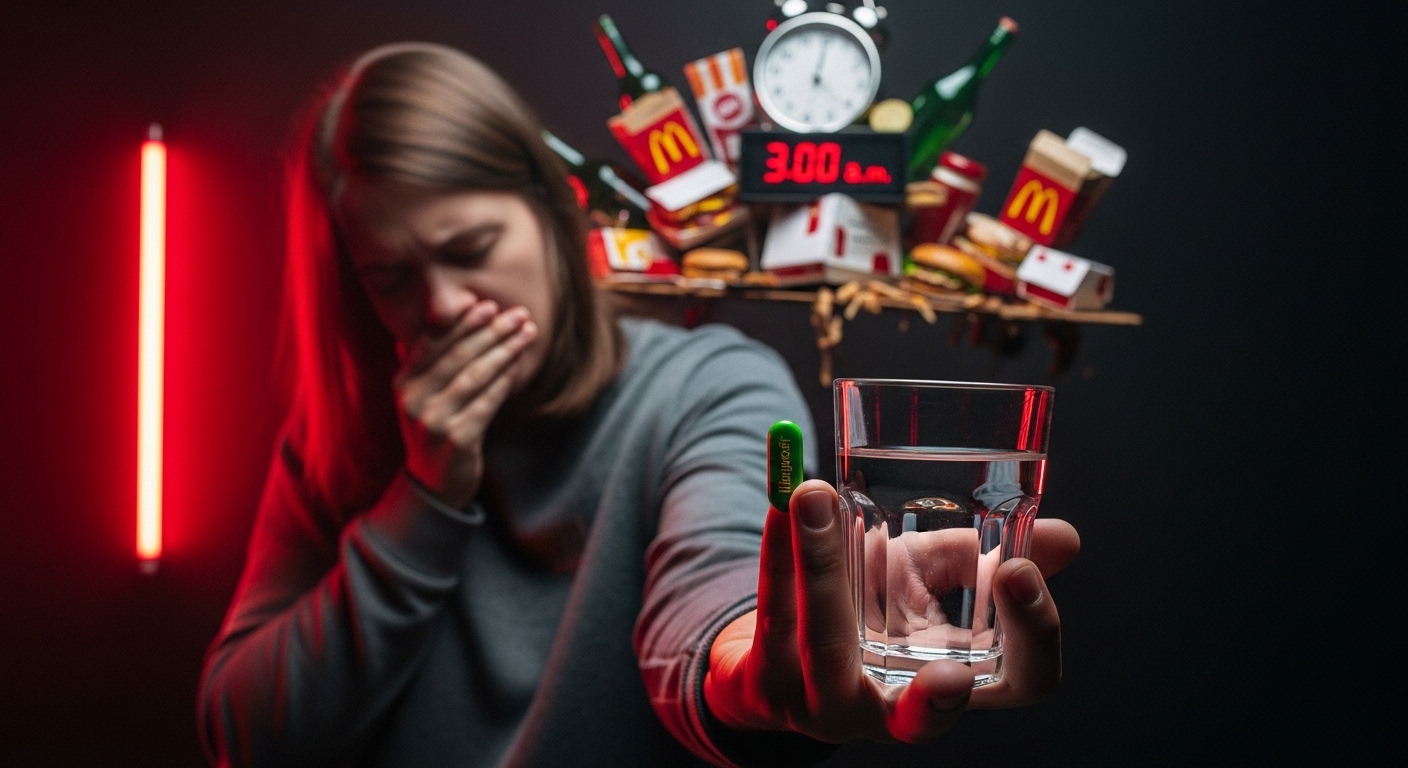
Are you one of those people who gets sick all the time? Do you feel a slight sore throat, a bit of a body ache, or a runny nose, and the first thing you do is run to the medicine cabinet to take cold medicine, paracetamol (acetaminophen), or ibuprofen? If you identify with this, stop for a moment. Did you know that with this simple action, you could be deeply sabotaging your own health?
We live in the era of immediacy. We want pain and discomfort to disappear in 15 minutes so we can get on with our fast-paced lives. But this “mask the symptom” approach is making us sicker in the long run. Today, we are going to break down exactly what you are doing to your body, why your doctor might be ignoring the true cause of your ailments, and what the real pillars that build an unbreakable immune system actually are.
The Illusion of the Pill: What Do Medications Really Do in Your Body?
When you feel sick, the pharmaceutical industry offers you quick fixes. However, it is crucial to understand the difference between healing and silencing.
It is worth making a small technical clarification: we often throw them all into the same category, but they act differently. Ibuprofen is a non-steroidal anti-inflammatory drug (NSAID), while paracetamol (acetaminophen) is an analgesic (pain reliever) and antipyretic (fever reducer), but it does not reduce inflammation. Cold and flu medicines, on the other hand, are usually bombs that mix paracetamol, antihistamines (to dry up mucus), and decongestants.
The Mechanism: Why you feel good (temporarily)
When a virus or bacteria enters your body, your immune system sounds an alarm. Chemicals like prostaglandins are released, causing inflammation, pain, and fever. This is not a glitch in your body; it is your defense mechanism at work. The fever “burns” the invader, and the inflammation brings blood and white blood cells to the affected area.
When you take these medications, you block the production of those prostaglandins or block the pain signals going to your brain. Magic: you feel better. But the invader is still there. You turned off the fire alarm, but the fire is still burning in the kitchen.
The Immediate Consequences and the Digestive Disaster
The very moment the pill takes effect, other things happen in your body, especially in your digestive system:
- Severe gastric irritation: Anti-inflammatories like ibuprofen not only block the prostaglandins that cause pain, but also the ones responsible for producing the protective mucus lining of your stomach. By eliminating this barrier, you leave your stomach walls completely exposed to their own corrosive acids. Don’t wonder later why you have acid reflux or problems in your digestive system. You are literally burning yourself from the inside. This simple act of taking a pill for a headache or body ache generates immediate gastric problems such as:
- Acute and erosive gastritis: Inflammation and wearing away of the stomach lining that causes unbearable burning.
- Dyspepsia: That feeling of heaviness, constant indigestion, and nausea after eating.
- Gastroesophageal reflux disease (GERD): When acid flows back up the esophagus, burning the throat and causing a dry cough.
- Peptic ulcers: Open sores in the stomach that can bleed (gastrointestinal hemorrhage), a serious medical emergency.
- Liver and kidney overload: Your liver (in the case of paracetamol) and your kidneys (in the case of ibuprofen) have to work overtime to metabolize and filter these synthetic compounds.
- Fever suppression: By artificially lowering your fever, you strip your body of one of its most effective tools for killing pathogens, allowing the virus to live longer in your system.
Mid- and Long-Term Damage: The Cascade of Drugs
If you are the type of person who resorts to this month after month, the consequences pile up and drag you into a cycle where one medication forces you to take another:
- The vicious cycle of gastric protectors: Because ibuprofen and other painkillers destroyed your stomach and now you have reflux or gastritis, the doctor prescribes omeprazole, pantoprazole, or antacids. The problem? These medications shut down acid production in your stomach. But the stomach needs to be a highly acidic environment (like a pool of hydrochloric acid) for two vital things:
- Killing pathogens: Acid is the first barrier against bacteria and parasites entering through your mouth. Without acid, they go straight into your gut.
- Digesting and absorbing nutrients: Without an acidic environment, your body cannot break down proteins or absorb crucial vitamins and minerals like Vitamin B12, iron, zinc, magnesium, and calcium. The result: You are eating, but you are malnourished. And guess what your immune system needs to function? Exactly: zinc, iron, and vitamins. By taking omeprazole chronically, you weaken your defenses, guaranteeing you will catch another cold soon, take another ibuprofen, get more stomach pain, and the cycle repeats endlessly.
- Chronic damage: Elevated risk of chronic kidney disease and liver toxicity.
- Immune weakening: Your body gets “used to” not fighting its own battles from start to finish.
- Rebound effect: Overusing painkillers can cause chronic rebound headaches and a heightened sensitivity to pain in the long run.
The 5-Minute Doctor and the Fallacy of Modern Longevity
Picture this scenario: you go to the doctor because you got sick again. You sit down, they check your throat, listen to your lungs, scribble something on a prescription pad, and tell you to take an antibiotic, cough syrup, and an anti-inflammatory for 5 days. Done. Next in line.
But, did they ask you what time you’re going to sleep? Did they ask if you’re eating enough protein and vegetables, or if you’re eating fast food in front of the TV for dinner? Did they inquire about your stress levels or how many days a week you engage in physical activity?
If the answer is no, then you are facing a person with a license to prescribe medication, not a true health promoter. Modern medicine is spectacular for emergencies, but it fails miserably at prevention. Handing you a pill without investigating your lifestyle is like putting a band-aid on a bursting pipe. It stops the leak for a moment, but the pressure is still there and it will eventually blow up again. The pill is not the root cause; the root cause is the terrain where the virus decided to settle: your exhausted and malnourished body.
The Statistical Trap: “But we live longer today”
This is where many people blindly defend this system with the classic argument: “But thanks to modern medicine, life expectancy is much higher; people used to die at 40!”
This is a monumental statistical fallacy. Yes, life expectancy at birth has increased drastically, but not because we are biologically healthier or stronger in our daily lives today. It’s because emergency medicine and hygiene halted infant mortality and deaths from acute trauma.
For example: yes, 150 years ago, you were working in the fields, broke your femur in an accident, the wound got infected, and without antibiotics or aseptic surgery, you died at 25. Deaths were overwhelmingly due to accidents, sudden childhood infections (like measles or smallpox), or complications during childbirth.
Today, trauma surgery and penicillin save you from that fracture. You survive. But that doesn’t mean the modern human is “healthy.” Today we don’t live longer healthy lives; we live longer sick lives. We spend the last two, three, or four decades of our lives dragging around chronic degenerative diseases (diabetes, hypertension, autoimmunity, obesity). Modern medicine hasn’t extended our youth; it has extended our stage of decrepitude, keeping us artificially alive with a cocktail of 8 to 10 daily pills that, as we already saw, only mask symptoms while the body slowly deteriorates.
The True Root Cause: The Pillars You Are Ignoring
If conventional 5-minute medicine won’t tell you, here it is. These are the reasons why your immune system is depressed and allowing any pathogen to knock you out in bed.
1. Sleep: Your Nightly Repair Shop
Sleeping is not a luxury; it is a non-negotiable biological necessity. If you don’t get your 7 or 8 hours of quality sleep, you are destroying your defenses.
- Cytokine production: During deep sleep, your immune system releases proteins called cytokines, some of which promote sleep, while others need to increase when you have an infection or inflammation. Sleep deprivation reduces the production of these protective cytokines.
- The vicious cycle of stress: Not sleeping raises cortisol (the stress hormone). Chronically high cortisol is the greatest natural immunosuppressant that exists. If you are stressed, you don’t sleep; if you don’t sleep, you get more stressed. This vicious cycle leaves your white blood cells paralyzed against invaders.
2. Diet: Silent Inflammation
You are not what you eat; you are what you absorb (and remember, if you take antacids, you’re absorbing nothing). If your diet is based on ultra-processed foods, you are in serious trouble.
- The poison of sugar: Consuming high doses of refined sugar drastically reduces the ability of your white blood cells to “eat” bacteria (a process called phagocytosis). This immunosuppressive effect can last for hours after eating dessert or drinking a soda.
- Inflammatory foods: Highly refined seed oils (soybean, canola) and preservatives keep your body in a state of “chronic low-grade inflammation.” Your immune system is so busy putting out the little fires caused by your poor diet that when a real virus arrives, it has no resources to fight it.
- The gut microbiome: 70% of your immune system lives in your gut. Ultra-processed foods kill the good bacteria. Without them, your defenses are blind and unarmed.
3. Physical Activity: The Engine of the Lymphatic System
Unlike the circulatory system, which uses the heart as a pump, your lymphatic system (the network through which your immune cells travel and toxins are eliminated) does not have a natural pump.
- It relies on movement: It only moves when your muscles contract. If you spend 10 hours sitting in front of a computer, your lymphatic system is stagnant. Regular, moderate exercise promotes the circulation of antibodies and white blood cells, allowing them to detect diseases early and efficiently. A sedentary body is a stagnant swamp; an active body is a river of clean water.
4. Alcohol: The Open Door to Illness
We all love to relax, but a night of heavy drinking has a very high price that isn’t paid just with a hangover.
- Immediate immunosuppression: Alcohol alters the ability of macrophages (the cells that devour viruses and bacteria) to do their job. A single night of binge drinking can suppress your immune system for up to 24 hours. Basically, you are leaving the front door of your house wide open in a dangerous neighborhood for a whole day.
- Damage to barriers: Alcohol damages the lining of the gastrointestinal tract and the lower respiratory system, which are your body’s first lines of defense.
Conclusion: Take Control
Getting sick isn’t always a matter of “bad luck” or “a bug going around the office.” Frequently, it is the direct result of how we treat our bodies the previous 364 days and the chemical shortcuts we decide to take to silence our pains.
The next time you feel sick, instead of immediately running for the painkiller that will burn your stomach and turn off your body’s alarm, or blindly accepting a prescription from a doctor who doesn’t know your habits, ask yourself: How have I slept this week? What have I been putting into my stomach? Have I moved my body? Am I in a toxic cycle of medications masking the side effects of other medications?
ER doctors, surgeons, and life-saving medications will always have their fundamental place for extreme cases, but true health—the kind that prevents you from getting sick every month—isn’t found on a pharmacy counter. It is built in your bed by going to sleep early, in your kitchen with real food, and in your daily life by moving your body. Stop applying band-aids and start healing the root cause.
References & Scientific Evidence
1. Title: NSAIDs (Non-Steroidal Anti-Inflammatory Drugs): How They Work and Side Effects
- Description: An in-depth overview by the Cleveland Clinic explaining the mechanism of action of NSAIDs. It explicitly details how they block prostaglandins, causing immediate gastric irritation, potential bleeding, and putting strain on kidney function.
- URL:
https://my.clevelandclinic.org/health/drugs/11086-non-steroidal-anti-inflammatory-medicines-nsaids
2. Title: Proton Pump Inhibitors and Risk of Vitamin and Mineral Deficiency: Evidence and Clinical Implications
- Description: A comprehensive review from the National Institutes of Health (NIH) that proves how acid-suppressing drugs (like Omeprazole) disrupt the stomach’s acidic environment, leading to severe malabsorption of vital nutrients required by the immune system.
- URL:
https://www.ncbi.nlm.nih.gov/pmc/articles/PMC4110863/
3. Title: Sleep and Immune Function
- Description: A rigorous scientific paper published in Pflügers Archiv – European Journal of Physiology (via PubMed) that breaks down the biological link between deep sleep stages, the release of immune-boosting cytokines, and how sleep deprivation paralyzes the body’s defense mechanisms.
- URL:
https://www.ncbi.nlm.nih.gov/pmc/articles/PMC3256323/
4. Title: Alcohol and the Immune System
- Description: Research from the Alcohol Research: Current Reviews journal demonstrating how even a single episode of binge drinking heavily suppresses macrophage function and impairs the physical barriers of the gut and lungs for up to 24 hours.
- URL:
https://www.ncbi.nlm.nih.gov/pmc/articles/PMC4590612/
5. Title: Life Expectancy vs. Healthspan: The False Promise of Longevity
- Description: Information from the World Health Organization (WHO) regarding “Healthy Life Expectancy” (HALE). It addresses the statistical reality that while modern medicine has increased overall lifespan by reducing early mortality from acute trauma and infections, modern humans spend a significantly larger portion of their later years living with chronic illnesses.
- URL:
https://www.who.int/data/gho/data/themes/mortality-and-global-health-estimates
Medical Disclaimer: The information contained in this article by Caloritrack (a product of KAI STUDIOS, S.A.S.) is strictly educational and informational. While we encourage empowerment through knowledge, neither Caloritrack nor KAI STUDIOS, S.A.S. acts as a medical entity. This content does not substitute in any way the advice, diagnosis, or treatment of a qualified medical professional. Every body is unique; always consult your primary care doctor or specialist before making significant changes to your diet, routines, or lifestyle.