



7 Myths + 7 Keys of the Carnivore Diet: Return to Origins
In a world saturated with processed products and trendy “superfoods,” the idea of eating exclusively animal products seems like an act of rebellion. However, at Caloritrack, we are guided by evidence and nature, not by dogmas.
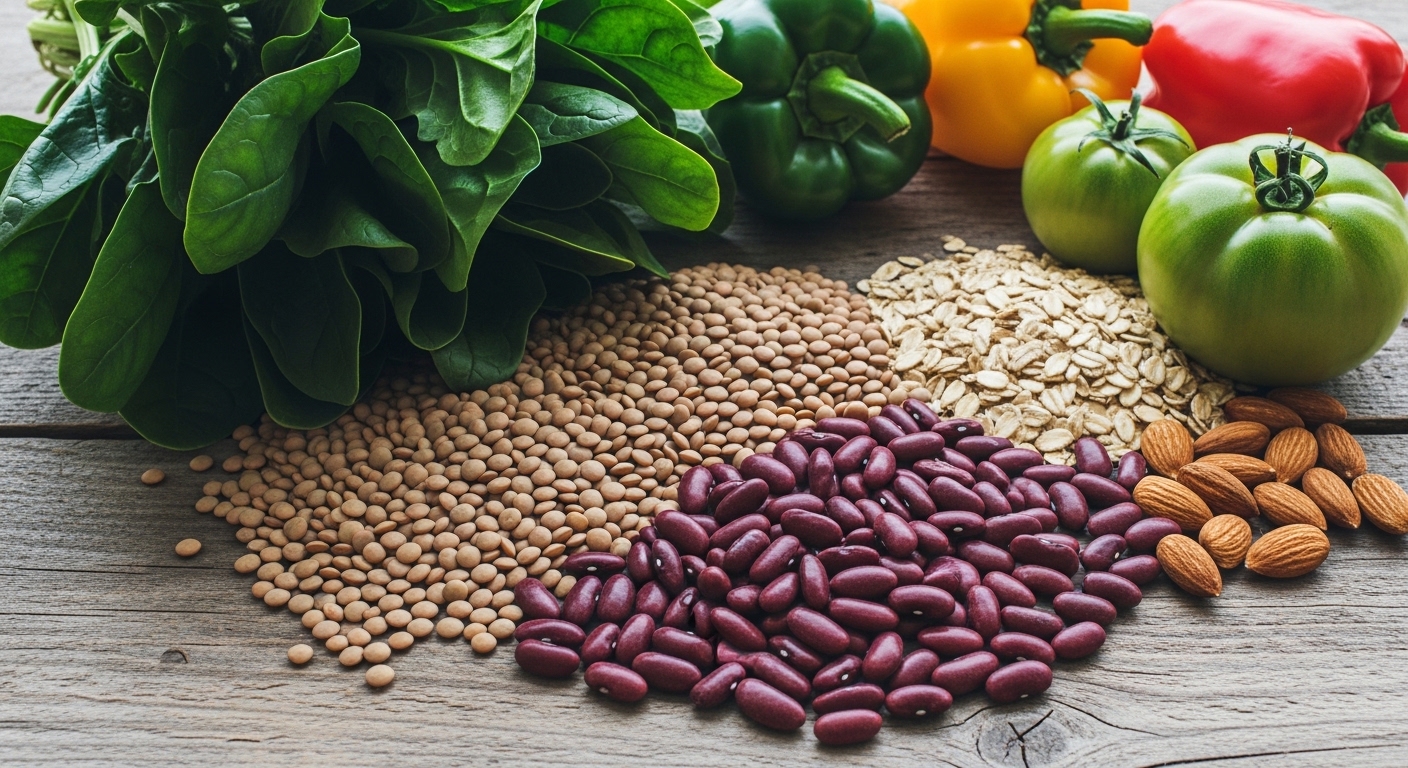
The carnivore diet is not a fad; it is the ultimate elimination diet. By removing plants, we eliminate oxalates, lectins, and phytic acid—anti-nutrients that we monitor in our app to protect your long-term health.
Here is the reality behind the steak.
The Top 7 Myths
- “You’ll lack fiber and won’t be able to go”: False. Fiber is needed to push waste from a high-carb diet. Without plant residue, digestion is almost total, and the need for bulk decreases drastically.
- “You’ll get scurvy (Vitamin C deficiency)”: Fresh meat contains sufficient Vitamin C. Plus, Vitamin C and glucose compete for the same transporters; when you don’t eat sugar, you need much less Vitamin C.
- “You’ll destroy your kidneys”: Protein does not damage healthy kidneys. The real enemy of the kidney is insulin resistance and excess fructose, which you eliminate here completely.
- “It’s bad for the heart”: Dietary cholesterol has little impact on blood cholesterol for most. What inflames arteries is sugar and oxidized vegetable oils.
- “The brain needs glucose”: Your liver produces all the glucose you need (gluconeogenesis), and your brain functions optimally on ketones, achieving superior mental clarity.
- “It’s boring and monotonous”: On the contrary, you reconnect with true flavor and satiety. Modern “variety” is often a pursuit of dopaminergic stimulation, not nutrition.
- “We are omnivores, not carnivores”: Biologically, we are “facultative carnivores.” We can survive on plants, but we thrive on meat.
The 7 Keys to Success
- Fat is Energy: Don’t eat lean meat. You need a high fat/protein ratio (1:1 in grams or more) for energy and hormonal health.
- Electrolytes First: As insulin drops, your kidneys excrete sodium. Salt your food to taste and consider supplementing magnesium and potassium in the first weeks.
- Don’t Count Calories, Listen to Hunger: Eat until satiated, not stuffed. At Caloritrack, we promote self-knowledge over obsessive counting.
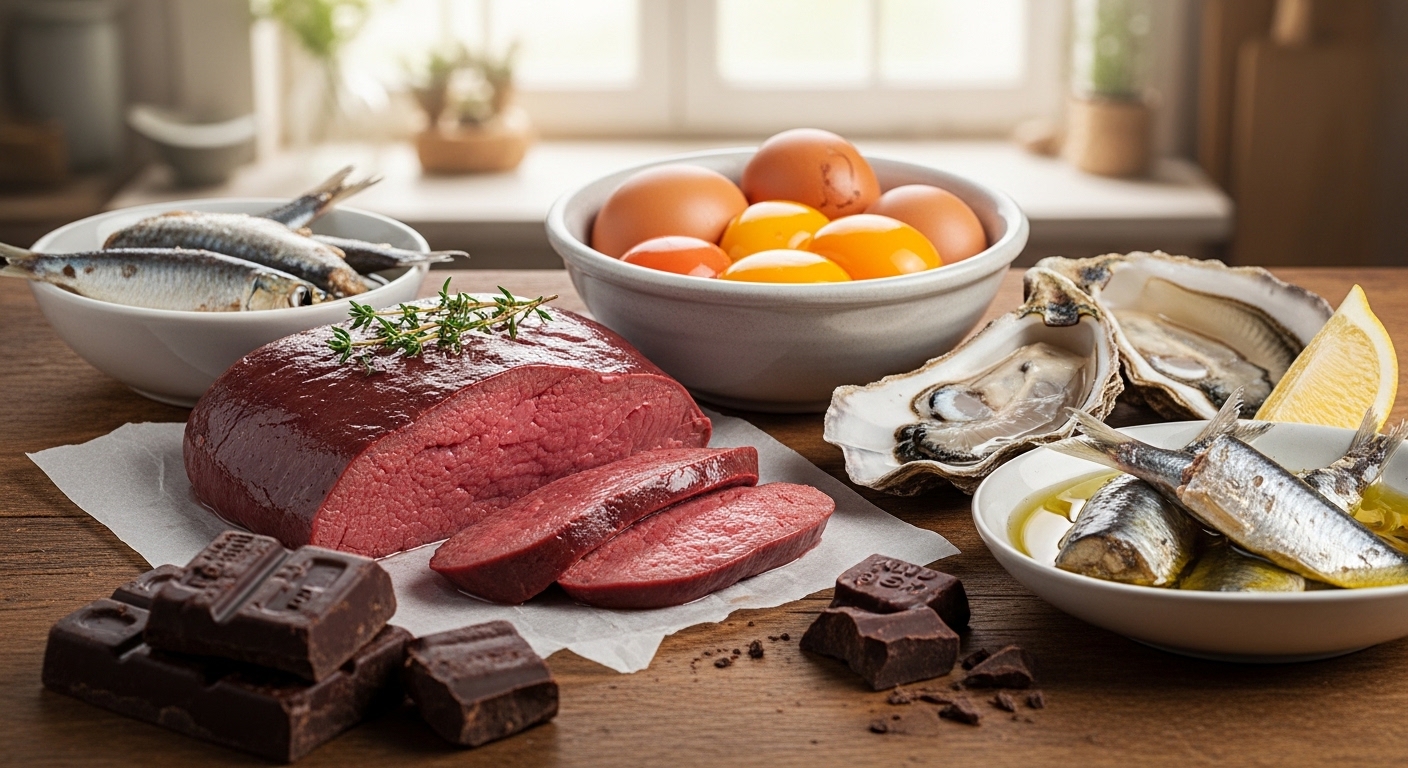
- Organ Meats (Nose-to-Tail): Liver and heart are nature’s true multivitamins. Include them occasionally.
- Eliminate, Don’t Reduce: To see benefits in autoimmunity or inflammation, elimination must be total (zero plants) for at least 30 days.
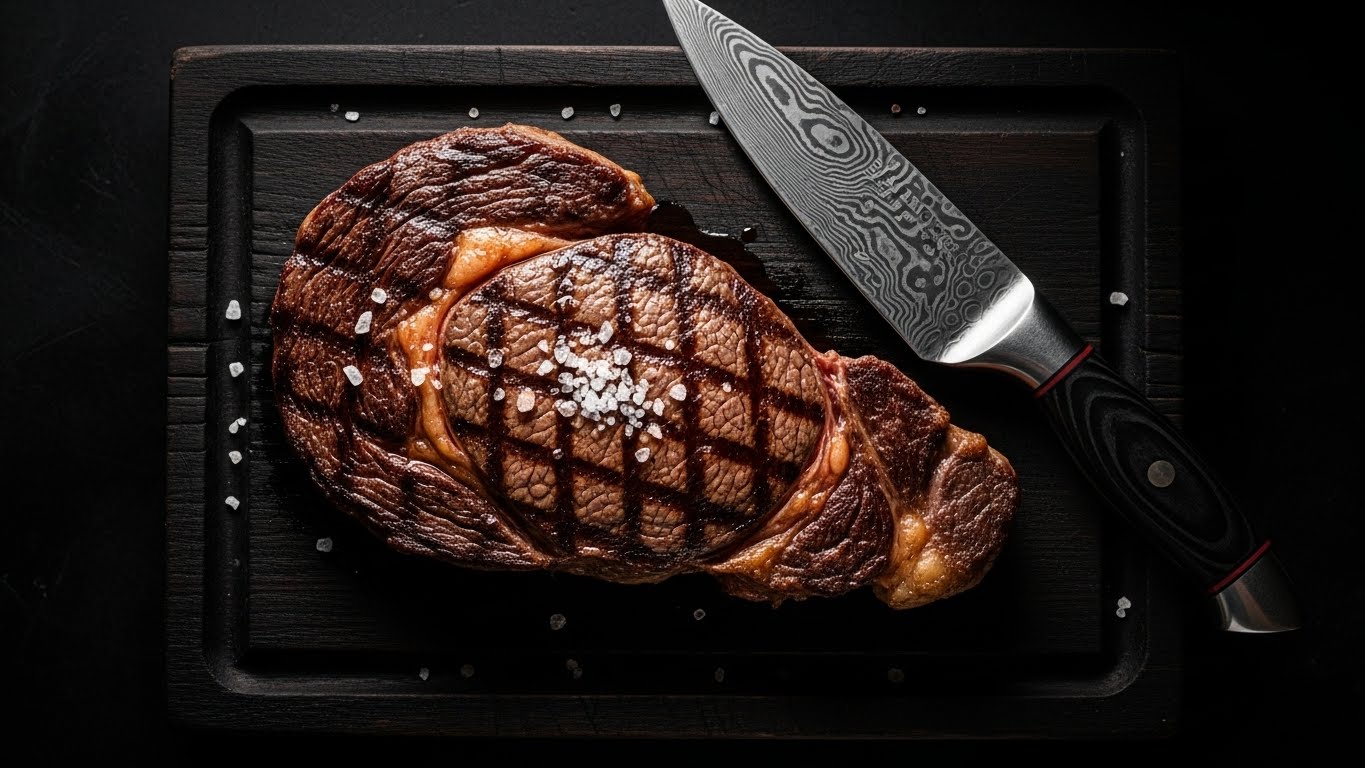
- Proper Cooking: Avoid burning the meat. Medium cooking preserves nutrients better and avoids harmful compounds.
- Patience: Your body will take time to adapt. Use the “Indestructible Mind” mindset to overcome initial cravings.
Conclusion The carnivore diet simplifies your nutrition and maximizes nutrient absorption. If you decide to try it, Caloritrack is your best ally: our database is curated with natural foods , and we help you understand how this change impacts your sleep and energy
Scientific References & Further Reading
- Study: Stopping or reducing dietary fiber intake reduces constipation and its associated symptoms Description: Clinical research published in the World Journal of Gastroenterology demonstrating how eliminating fiber, rather than increasing it, resolved idiopathic constipation in 100% of the study participants. URL: https://www.ncbi.nlm.nih.gov/pmc/articles/PMC3435786/
- Study: Changes in Kidney Function Do Not Differ between Healthy Adults Consuming Higher- Compared with Lower- or Normal-Protein Diets Description: A meta-analysis published in The Journal of Nutrition debunking the myth that high protein intake damages renal function in individuals without pre-existing disease. URL: https://academic.oup.com/jn/article/148/11/1760/5153345
- Review: Dietary lectins: gastrointestinal and immune effects Description: Analysis published in Toxicon on how lectins (proteins found in many plants and seeds) can survive digestion and cause intestinal permeability and inflammation, validating the importance of avoiding anti-nutrients. URL: https://pubmed.ncbi.nlm.nih.gov/15302522/
- Analysis: Glucose-Ascorbate Antagonism (Vitamin C) Description: Biochemical explanation of how glucose and Vitamin C compete for the same cellular transporters (GLUT), supporting why a low-carbohydrate diet drastically reduces Vitamin C requirements. URL: https://www.sciencedirect.com/topics/medicine-and-dentistry/glucose-transporter
Medical Disclaimer: The information contained in this article by Caloritrack (a product of KAI STUDIOS, S.A.S.) is strictly educational and informational. While we encourage empowerment through knowledge, neither Caloritrack nor KAI STUDIOS, S.A.S. acts as a medical entity. This content does not substitute in any way the advice, diagnosis, or treatment of a qualified medical professional. Every body is unique; always consult your primary care doctor or specialist before making significant changes to your diet, routines, or lifestyle.