



Comparative Biochemical Analysis: Lipoprotein Profile vs. Plant Extracts in Breakfast Physiology
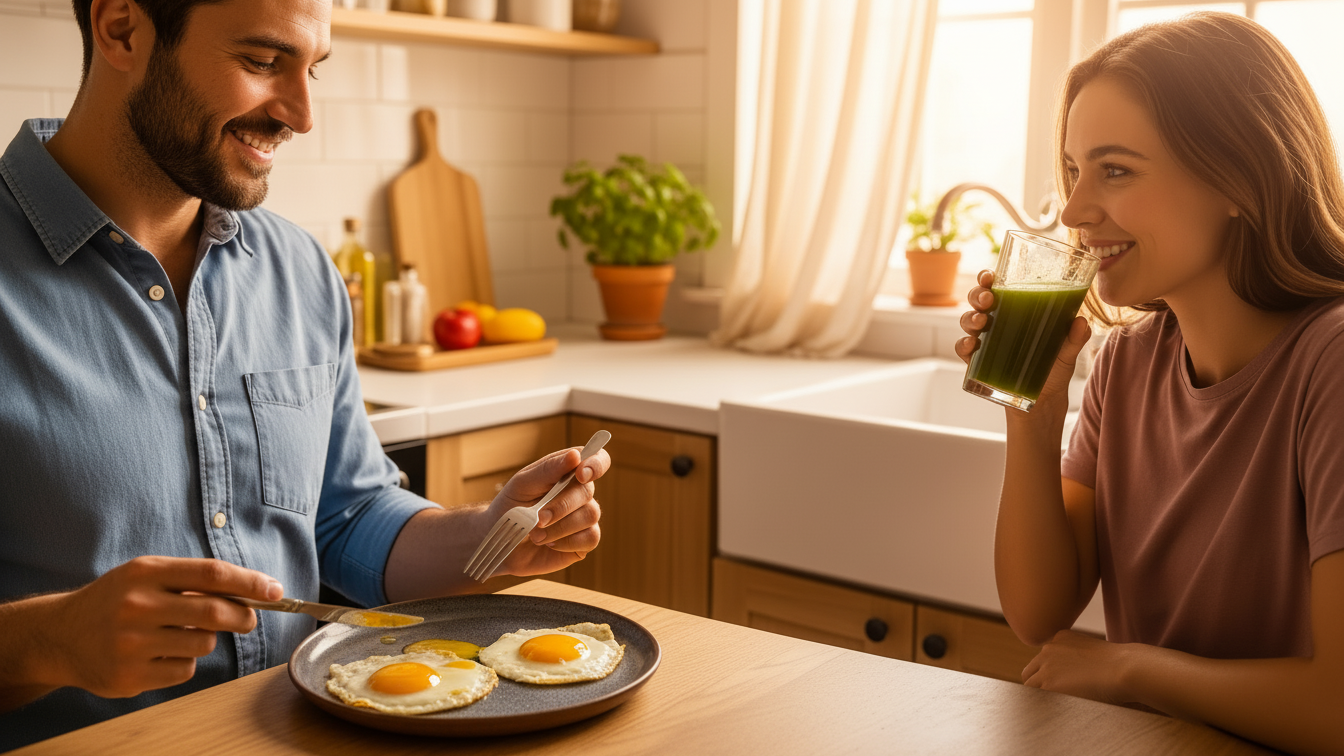
In contemporary discourse on nutrition and metabolic wellness, reductionist dichotomies frequently contrast animal-based foods—rich in lipids and structural proteins—against liquid vegetable preparations perceived as “purifying” or superior due to their phytochemical content. This technical report performs an exhaustive dissection, grounded in clinical biochemistry and digestive physiology, to compare two breakfast paradigms: a lipoprotein intake composed of 3 large eggs cooked with 1 tablespoon of ghee and salt, versus a standardized green juice (spinach, green apple, lemon, and celery).
The analysis transcends simplistic thermodynamic calorie counting to address the actual bioavailability of micronutrients, absorption kinetics influenced by the food matrix, the presence of chelating antinutrients, the postprandial endocrine response, and the impact on colonic microbiota. The accumulated evidence suggests that, while green juice provides specific water-soluble antioxidants, it lacks the structural nutritional density and bioavailability necessary to sustain human morning homeostasis, presenting critical deficiencies in nutrients essential for cognitive and metabolic function. Conversely, the combination of eggs and ghee offers a superior profile of fat-soluble vitamins and minerals in chemical forms ready for absorption, supporting satiety and glycemic stability in a way unmatched by realistic volumes of vegetable juice.
1. Macronutritional Architecture and Energy Substrate Dynamics
To understand the physiological impact of these two dietary options, it is imperative to first deconstruct their basal molecular composition. Public perception often inflates the nutritional value of juices due to their association with “freshness” and “detox” marketing, while underestimating the nutrient density of eggs due to historical fears—now debunked by modern cardiovascular literature—regarding dietary cholesterol and saturated fats.
1.1 The Lipoprotein Breakfast: Density and Structure
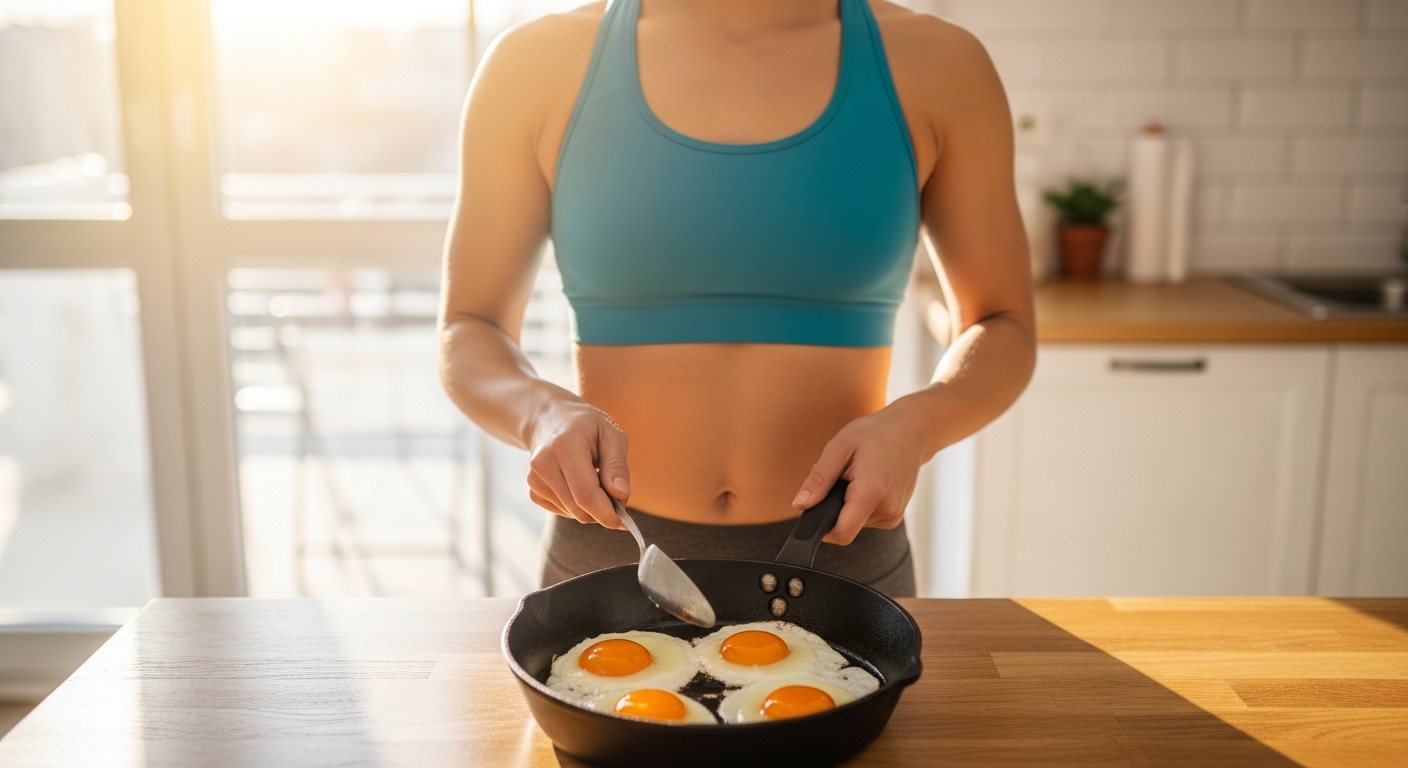
This dietary protocol consists of three large eggs (approximately 150-165g total) and one tablespoon of ghee (clarified butter, approx. 14-15g). From a biochemical perspective, this constitutes a “complex matrix” evolutionarily designed to sustain complete biological development.
High Biological Value Protein and Amino Acid Profile
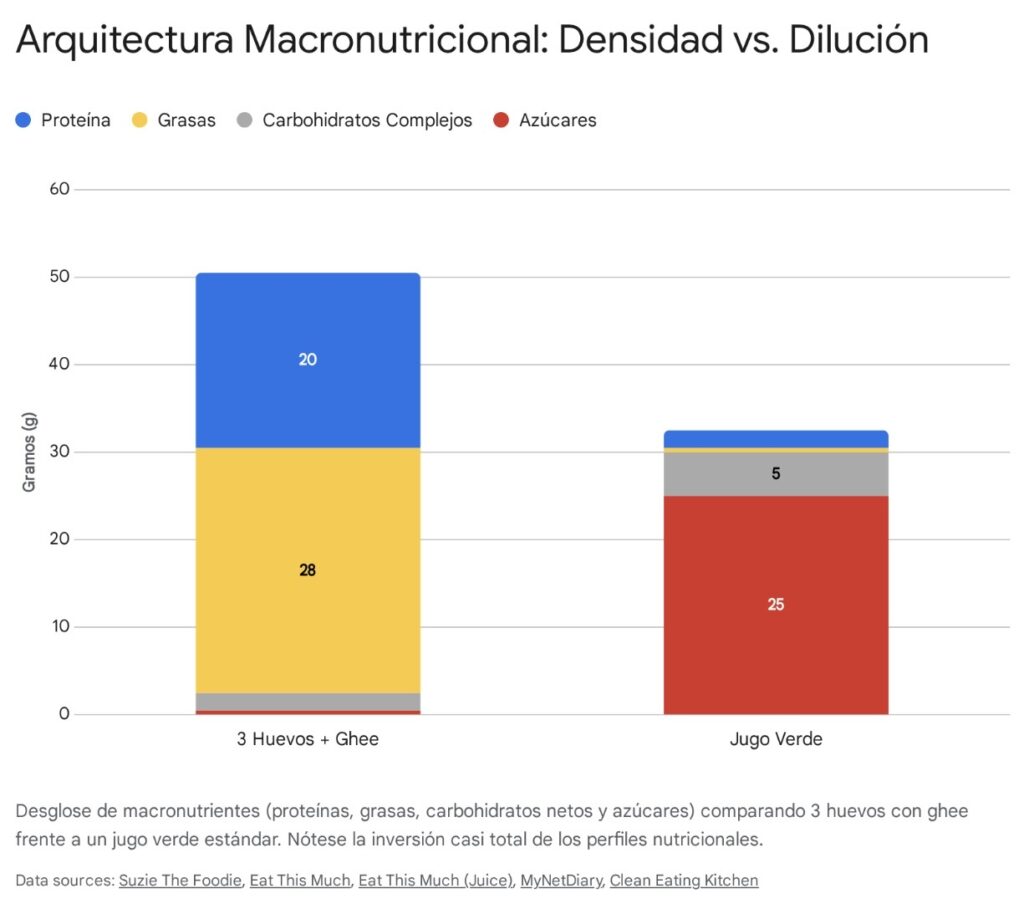
Eggs represent the gold standard in protein quality assessment, with a Protein Digestibility Corrected Amino Acid Score (PDCAAS) of 1.0, the maximum possible. Three eggs provide approximately 19-21 grams of complete protein.1 It is not just about quantity, but qualitative quality: eggs are rich in leucine, the primary branched-chain amino acid responsible for activating the mTOR pathway, which initiates muscle protein synthesis. Furthermore, they contain all essential amino acids in proportions that almost perfectly mimic human tissue needs. Albumin in the white and lipoproteins in the yolk offer an absorption rate exceeding 95%.
Fatty Acids and the Absorption Matrix
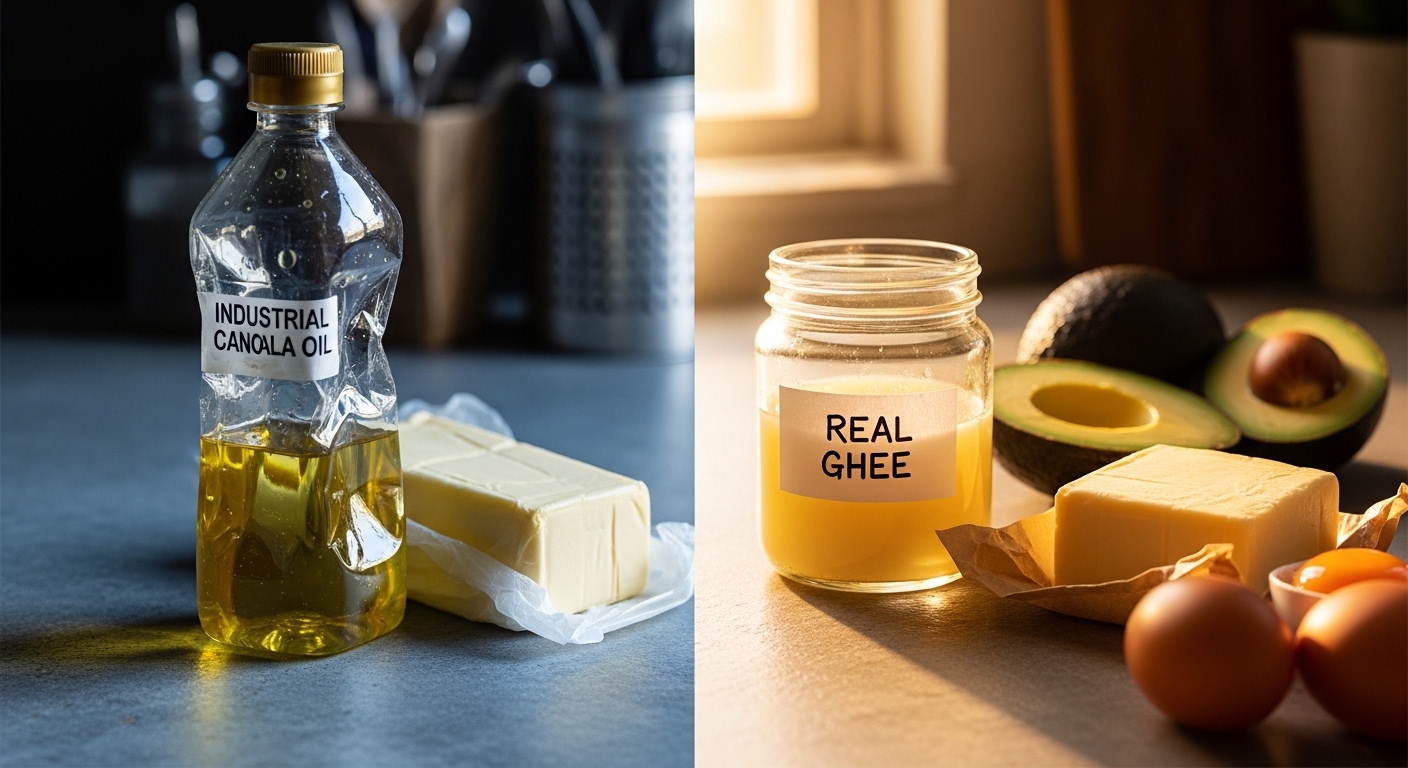
Ghee, being pure milk fat without milk solids (casein or lactose), adds a unique lipid profile composed of short-chain saturated fatty acids (such as butyrate), medium-chain, and monounsaturated fats. Together with the fats from the yolk, this breakfast provides between 25 and 30 grams of fat.1
This fat is not merely fuel; it performs a vital mechanical function: the creation of micelles. For the human body to absorb fat-soluble vitamins (A, D, E, K) and certain phytonutrients, the presence of dietary fat is indispensable to stimulate bile release from the gallbladder. Without this fatty stimulus, the absorption of critical nutrients drops precipitously—a factor that will be decisive in the comparison with green juice.
Dietary Cholesterol and the Cell Membrane
This breakfast provides between 550 and 640 mg of cholesterol.1 It is crucial to contextualize this data in the light of modern cardiology. Dietary cholesterol has minimal impact on serum cholesterol for the majority of the population (the “hypo-responders”). More importantly, cholesterol is the obligatory precursor molecule for the synthesis of steroid hormones (testosterone, estrogen, cortisol) and is a non-negotiable structural component of neuronal cell membranes.3 In a context of overnight fasting, providing exogenous cholesterol supports morning hormonal synthesis.
1.2 The Plant Challenge: Green Juice and Glycemic Load
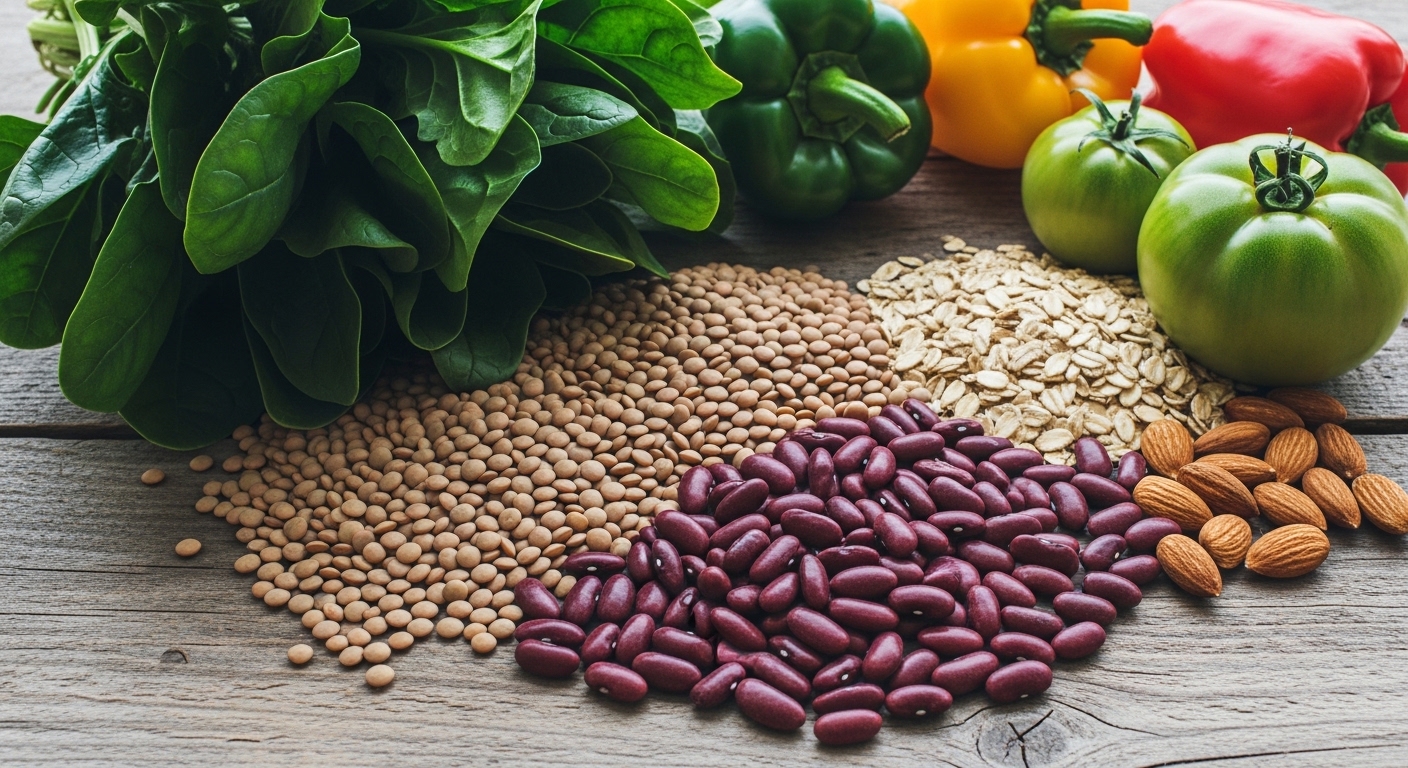
The standard recipe analyzed for comparison includes: 2 cups of raw spinach (approx. 60g), 1 medium green apple (approx. 180g), 2 stalks of celery (approx. 80g), and juice of half a lemon. It is vital to distinguish that we are analyzing a juice (liquid extract where insoluble fiber is separated) and not a smoothie (where fiber is retained), as this is the most common form of consumption in “cold-pressed juice” therapies.
Carbohydrate Dynamics and Free Sugars
This juice is, metabolically speaking, a concentrated solution of simple carbohydrates. It provides approximately 25-35g of carbohydrates, of which a significant proportion (15-20g) are free sugars (fructose and glucose), coming primarily from the apple.4
By extracting the juice and removing the cellular fiber matrix, the fructose from the apple is released from its structural “cage”. Biochemically, this transforms the apple from a moderate glycemic index food to a rapidly absorbed beverage.6 Liquid fructose has a distinctive metabolic pathway: it must be processed almost exclusively by the liver. A rapid load of liquid fructose on an empty stomach can saturate hepatic glycogen reserves and promote de novo lipogenesis (creation of fat in the liver), a paradoxical effect for a drink considered “slimming.”
Severe Protein and Lipid Deficit
The macronutrient profile of green juice is unbalanced by design. It provides less than 2-3 grams of vegetable protein, which is incomplete (limited in amino acids like methionine and lysine) and of lower bioavailability than egg protein.4
Even more critical is the fat content: less than 1 gram. This functional deficiency is the “Achilles’ heel” of green juice. Although spinach theoretically contains vitamin K1 or beta-carotene, the absence of lipids in the digestive tract prevents the formation of chylomicrons needed to transport these nutrients from the intestine to the lymph and blood. Consuming these nutrients in a water-based vehicle without fat results in the vast majority being excreted unabsorbed, a phenomenon known as matrix-induced malabsorption.
2. Deep Vitamin Analysis: The Battle of Bioavailability
There is a widespread and persistent belief that fruits and vegetables are the supreme and unquestionable sources of vitamins. However, from the perspective of clinical nutritional biochemistry, the mere presence of a vitamin in a spectrographic analysis of a food is not equivalent to its absorption and cellular utilization(bioavailability) by the human body. When analyzing four key vitamins, the difference between theoretical “plant chemistry” and functional “animal biochemistry” becomes abysmal.
2.1 Vitamin A: The Confusion between Retinol and Carotenoids
This represents perhaps the most serious and frequent misunderstanding in modern nutrition. Nutrition panels often group Retinol and Beta-carotene under the same “Vitamin A” label, but metabolically they are distinct entities.
- Eggs and Ghee (Retinol – True Vitamin A): Animal products provide preformed Vitamin A (Retinol). This is the biologically active form that the human body uses directly for phototransduction in the retina (vision), modulation of gene expression in the immune system, and skin cell differentiation. Three large eggs and a tablespoon of ghee provide a significant amount of highly bioavailable retinol (approximately 300-450 mcg RAE), which is absorbed with 70-90% efficiency facilitated by the food’s own fat.1
- Green Juice (Provitamin A – Beta-carotene): Spinach and celery do not contain a single molecule of active Vitamin A. They contain carotenoids (beta-carotene), which are precursors. The human body must enzymatically convert these pigments into retinol in the intestine and liver to be useful.
- The Conversion Bottleneck: The conversion efficiency of beta-carotene to retinol is biologically costly and inefficient. Scientific literature establishes an estimated conversion ratio of 12:1 (12 micrograms of dietary beta-carotene are required to produce 1 microgram of retinol).11 However, more recent studies suggest that in real plant matrices, this ratio can be as poor as 24:1 or worse.
- Genetic Variability: A critical factor often ignored is genetics. Common variants (single nucleotide polymorphisms) in the BCMO1 gene, which codes for the enzyme responsible for this conversion, can reduce the ability to transform carotenoids into Vitamin A by 30% to 70% in a large portion of the population.10 For these individuals, relying exclusively on green juices for Vitamin A could lead to subclinical functional insufficiency, despite a “high” intake on paper.
- Critical Absorption Factor: As mentioned earlier, carotenoids are fat-soluble. In a green juice practically free of fat, the intestinal absorption rate of these precursors falls drastically, causing most to be excreted.
2.2 Vitamin K: The Functional Distinction between K1 and K2
Often erroneously grouped together, vitamins K1 (phylloquinone) and K2 (menaquinone) have different chemical structures, distinct half-lives, and divergent physiological functions.
- Green Juice (Vitamin K1 – Phylloquinone): Spinach is one of the richest sources of Vitamin K1 in nature. A single glass of green juice more than covers the established daily requirements.4 The primary function of K1 is hepatic, activating clotting factors to prevent hemorrhage. However, its half-life in the blood is short (hours) and it is poorly retained in peripheral tissues. As with vitamin A, its absorption depends critically on concomitant fat, absent in the juice.13
- Eggs and Ghee (Vitamin K2 – Menaquinone): Egg yolks (especially from pasture-raised hens) and ghee (particularly from grass-fed cows) contain Vitamin K2, specifically in the MK-4 form.14 Vitamin K2 has crucial extrahepatic functions that K1 performs poorly: it acts as a cofactor for the carboxylation of osteocalcin (which fixes calcium in bones) and Matrix GLA Protein (MGP), which actively prevents calcification of arteries and soft tissues.17
- Clinical Insight: While green juice supports basic coagulation, the egg and ghee breakfast offers active protection against osteoporosis and atherosclerosis (arterial calcification) through K2, a benefit the juice cannot replicate regardless of volume consumed.
2.3 Choline: The Essential Nutrient for Neurobiology
Choline was officially recognized as an essential nutrient only in 1998, and deficiency is widespread. It is the direct precursor of acetylcholine (key neurotransmitter for memory and learning) and phosphatidylcholine (structural component of all cell membranes).
- Eggs: They are, gram for gram, one of the most concentrated sources of choline in the global food supply. Three large eggs provide approximately 400-450 mg of choline, covering by themselves nearly 80-90% of the Adequate Intake (AI) for adults.19
- Green Juice: Leafy vegetables and fruits contain trace amounts of free choline. Kilograms of plant material would be needed to even approach 10% of what eggs provide. For morning cognitive performance and liver function (prevention of fatty liver), green juice is functionally irrelevant compared to eggs.21
2.4 Vitamin B12: Absolute Presence vs. Total Absence
- Eggs: Eggs are a secure, reliable, and bioavailable source of Vitamin B12 (cobalamin), essential for red blood cell formation, DNA synthesis, and nerve myelination. Three eggs provide a significant amount of the recommended daily intake.1
- Green Juice: Zero. Plants do not have the biological machinery to synthesize B12, nor do they require it. A breakfast based systematically on green juices and animal exclusion leads inexorably to long-term B12 deficiency if there is no external supplementation, with risks of irreversible neurological damage and megaloblastic anemia.23
3. Minerals and the “Chemical Warfare” of Antinutrients
It is in mineral analysis where the critical evaluation of the “vegetables are superior” belief crumbles under chemical scrutiny. While the theoretical mineral content (measured in ash in the lab) of spinach is high, the actual content absorbable by the human intestine is disappointingly low due to the presence of antinutrients, defensive plant compounds designed to deter consumption.
3.1 The Oxalate Problem (Spinach) vs. Calcium and Iron
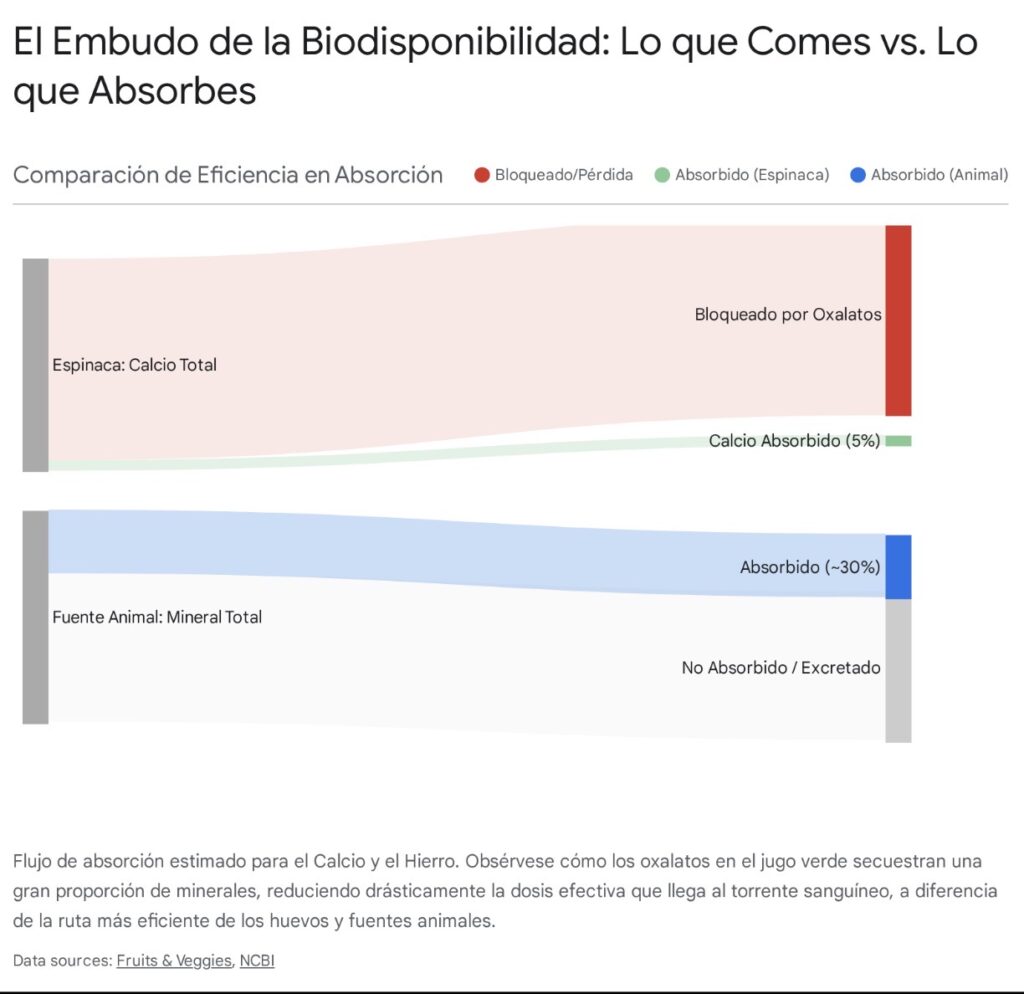
Spinach is infamous in nutritional toxicology for its extremely high content of oxalates (oxalic acid), a potent divalent cation chelator. A 60g portion of raw spinach can contain over 300-600 mg of oxalates.24
- Calcium: Although the nutritional label of spinach shows a high calcium content, the vast majority is chemically bound to oxalic acid forming insoluble calcium oxalate crystals. The human body lacks the oxalate decarboxylase enzyme necessary to break this bond. As a result, the bioavailability of calcium from spinach is as low as 5%, compared to much higher rates in animal or dairy sources.27 Furthermore, free soluble oxalate in the juice can bind to systemic calcium or calcium from other foods, promoting kidney stone formation in susceptible individuals.28
- Iron: Green juice provides non-heme iron, whose basal absorption is poor (2-20%) and highly sensitive to inhibitors. Oxalates and polyphenols present in spinach and celery act by chelating iron in the intestinal lumen, preventing its transport.30 Although Vitamin C from lemon and apple is a potent “enhancer” that reduces ferric iron to ferrous (more absorbable) 27, the absence of the “meat factor” (peptides from animal tissues that enhance absorption) limits the extent of this benefit.
- Heme Iron (Eggs): Egg yolk contains iron, and although phosvitin in the yolk can partially inhibit its absorption, the egg matrix does not contain massive oxalates. Concurrent consumption of eggs facilitates more predictable absorption compared to the “chemical lottery” of the intestine in the presence of high oxalates.
3.2 Zinc and Magnesium: Competition and Absorption
- Zinc: Zinc is a critical mineral for immune function, healing, and testosterone production. Vegetable sources (juice ingredients) have low bioavailability due to the presence of phytates (although these are more prevalent in grains and legumes, they also exist to a lesser extent in vegetables). Eggs and ghee provide zinc with a better absorption rate, free from the massive load of chelators.30
- Magnesium: Here, green juice presents its strongest theoretical advantage, as chlorophyll (the pigment that gives spinach and celery their green color) contains a magnesium atom at its center. Celery and spinach are quantitatively rich sources of magnesium.34 However, again, the interaction with soluble oxalates in the small intestine can precipitate a fraction of this magnesium, reducing net absorption. Despite this, green juice remains a valid complementary source of magnesium, superior to eggs in absolute quantity, provided the oxalate barrier does not severely compromise absorption in the individual.
4. The “Myth of Equivalence”: Volume Calculation and Volume Toxicity
To tangibly illustrate the superior nutritional density of eggs and ghee, and to challenge the notion that animal foods can be replaced simply by “eating more vegetables,” we perform an explicit equivalence calculation. How much green juice (defined as the mixture of spinach, apple, celery, and lemon) would we have to consume to match the key nutrients provided by the 3 eggs (with their cofactors)?
This exercise reveals the physiological unfeasibility of direct substitution.
4.1 Protein Equivalence
- Goal (3 Eggs): ~20 grams of high biological value protein.
- Green Juice Contribution (Per Glass): Being generous, a juice of these proportions provides ~1.5 to 2 grams of incomplete vegetable protein.4
- Equivalence Calculation: One would need approximately 10 to 13 glasses of green juice to match the gross amount of protein.
- Metabolic Consequence: Consuming this volume would imply ingesting more than 250-300 grams of sugars (mainly fructose) and more than 1,200 calories coming almost exclusively from carbohydrates. This represents a massive and metabolically dangerous glycemic load, analogous to drinking liters of soda, just to obtain the base protein of an egg breakfast.
4.2 Choline Equivalence
- Goal (3 Eggs): ~420 mg of choline.
- Green Juice Contribution: The plant sources used are poor in choline. A glass might provide, at best, ~10 mg.21
- Equivalence Calculation: More than 40 glasses of green juice would be needed to obtain the necessary choline to match the egg’s contribution.
- Verdict: It is physiologically impossible to obtain cognitively relevant amounts of choline through this green juice.
4.3 Vitamin B12 and Retinol Equivalence
- Vitamin B12: Since content in the juice is 0, the number of glasses needed is infinite. No amount of green juice will ever equal eggs in B12.
- Retinol (Vitamin A): Given that the juice contains 0 retinol and only beta-carotene, and considering the need for fat for absorption (which the juice lacks), the functional equivalence is also asymptotic to infinity unless the juice is supplemented with external fat. Even adding fat, liters of juice would be required to overcome the enzymatic conversion inefficiency (ratio 12:1 or 24:1) and reach the ~400 mcg RAE of the eggs.
Calculation Conclusion: It is not physiologically viable to substitute eggs with green juice to obtain these structural nutrients. The juice functions, at best, as a hydration system and provider of certain specific phytochemicals, but fails miserably as a base nutritional source.
5. Gastrointestinal Physiology, Microbiota, and Gut Health
It is often automatically assumed that “green” is better for the gut due to the association with fiber. However, the reality of juices (vs. smoothies or whole vegetables) and the biochemistry of ghee paint a different picture.
5.1 Ghee and Butyrate: Direct Fuel for the Colon
Ghee is one of the richest natural dietary sources of butyric acid (butyrate).36
- Mechanism of Action: Butyrate is a short-chain fatty acid that serves as the primary and preferred energy source for colonocytes (the cells lining the colon). It is fundamental for maintaining the integrity of the tight junctions of the intestinal epithelium, preventing intestinal permeability (“leaky gut”) and reducing local inflammation.
- Strategic Advantage: Generally, the body relies on bacterial fermentation of fiber in the colon to produce butyrate. However, many people with dysbiosis, SIBO (small intestinal bacterial overgrowth), or irritable bowel do not tolerate fiber well or ferment inefficiently. Ghee provides butyrate directly, “skipping” the fermentation step, providing immediate healing fuel to the gut without causing abdominal distension or gas.
5.2 The Green Juice: The Paradox of Lost Fiber
- Fiber Depletion: When processing vegetables in a juice extractor (juicing), the vast majority of insoluble fiber and much of the soluble fiber is mechanically removed. This eliminates the main prebiotic substrate that would feed beneficial microbiota. A complex matrix is transformed into a rapidly absorbed liquid.6
- Impact of Liquid Fructose: Free fructose, reaching the small intestine rapidly without the “brake” of fiber, can saturate GLUT5 transporters. Unabsorbed fructose passes to the colon, where it can be rapidly fermented by pathogenic bacteria or yeasts, causing gas, bloating, and osmotic dysbiosis.
- Oxalates and Irritation: For individuals with compromised intestinal integrity, the high load of oxalate crystals from spinach juice can act as a mechanical and chemical irritant to the mucosa, exacerbating inflammatory conditions.
- The Polyphenolic Factor: The redeemable positive aspect of the juice is the polyphenols (such as quercetin from apple and flavonoids from celery). These compounds have antioxidant activity and can positively modulate bacterial flora.38 However, their efficacy is dose and context-dependent; without fiber to transport them to the distal parts of the colon, their biotic impact is less than if the whole fruit/vegetable were consumed.
6. Neuro-Endocrine Response: Satiety, Energy, and Wellbeing
The acute impact of these breakfasts on daily cognitive and energetic functioning is radically opposite, dictated by the hormonal response.
6.1 Glucose, Insulin, and the “Energy Rollercoaster” Curves
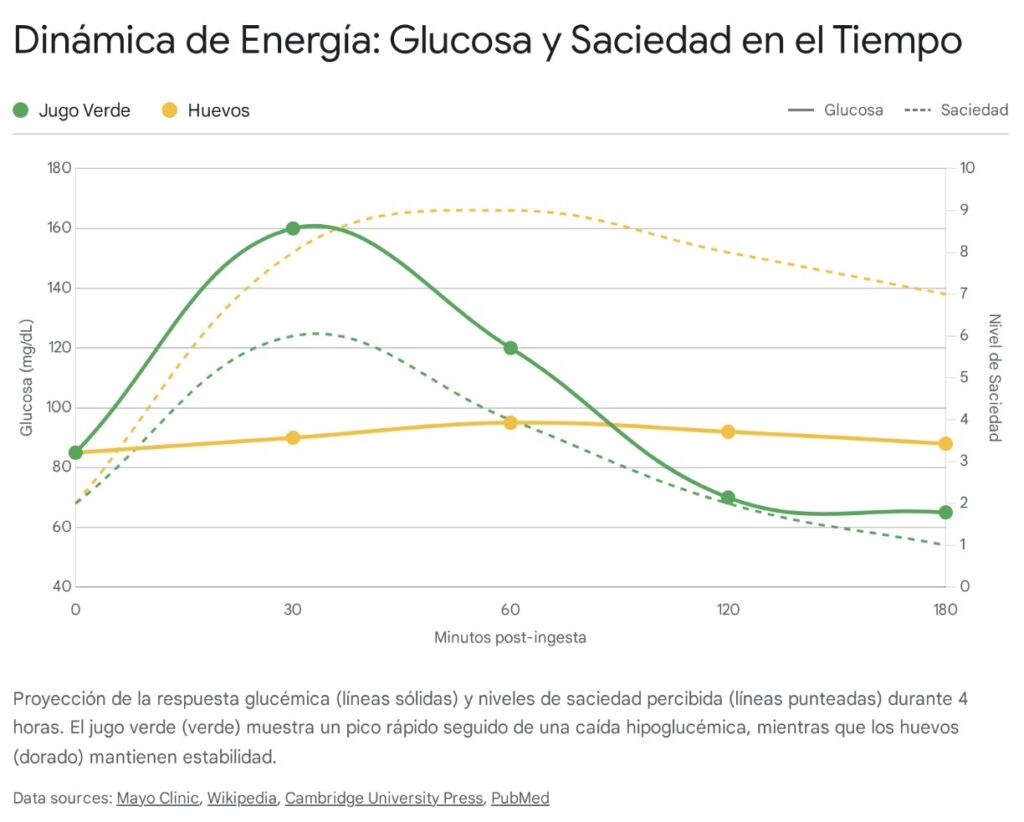
- Green Juice (The Spike and Crash): When ingesting sugars dissolved in water (from the juice), gastric emptying is precipitous. This causes almost immediate absorption of glucose and fructose, triggering a sharp spike in glycemia. The pancreas responds with aggressive insulin secretion to “clear” the blood. This insulin overcompensation frequently leads to reactive hypoglycemia 2-3 hours post-ingestion.40Phenomenologically, this is experienced as a mid-morning energy “crash,” brain fog, irritability, tremors, and an overwhelming desire to consume more carbohydrates.
- Eggs + Ghee (Metabolic Stability): The combination of proteins and fats has almost zero glycemic impact. The fat in ghee and protein in eggs significantly delay gastric emptying, releasing energy slowly and sustainably. With no insulin spike, the body maintains access to its energy reserves (lipolysis) and the brain receives a constant fuel supply, favoring prolonged concentration and emotional stability.42
6.2 Biochemistry of Satiety: PYY, GLP-1, and Ghrelin
Appetite control is not an act of will, but a molecular signaling cascade.
- Peptide YY (PYY) and GLP-1: These are potent anorexigenic (appetite-suppressing) hormones secreted by L-cells in the intestine. Their release is triggered primarily by the presence of proteins and fatty acidsin the intestinal lumen. Eggs robustly stimulate PYY and GLP-1 secretion, sending a powerful “stop” signal to the hypothalamus.44
- Ghrelin: Known as the “hunger hormone,” its levels rise before eating and should fall afterward. High-carbohydrate liquids (juice) are notoriously ineffective at suppressing ghrelin for prolonged periods. The lack of mechanical gastric distension (due to lack of solids) and rapid absorption mean the brain does not register having “eaten,” leading to greater compensatory caloric intake for the rest of the day.42
7. Conclusions and Integrated Verdict
Exhaustive analysis of nutritional biochemistry reveals that the popular premise that “vegetables and fruits are intrinsically the superior source of nutrients” is incorrect and unsustainable when comparing a structurally complete breakfast (eggs with ghee) against a liquid vegetable extraction (green juice).
- Structural Nutritional Superiority: The eggs with ghee breakfast is immensely superior in density of critical essential nutrients for human life (Complete Protein, Choline, Vitamins A, K2, B12, Iron, Zinc). These nutrients are presented in highly bioavailable chemical forms, facilitated by the fat matrix and free from massive inhibitors.
- Metabolic and Cognitive Efficiency: Eggs provide a platform of stable energy, real hormonal satiety mediated by intestinal peptides, and structural support for neurotransmitter synthesis. Conversely, green juice induces glycemic instability, pancreatic stress, and reactive hunger, failing to sustain human performance during the morning.
- The Appropriate Role of Green Juice: Green juice should not be considered a replacement for breakfast. Its nutritional profile (water, sugars, electrolytes, antioxidants) classifies it more appropriately as a hydration supplement or a recreational beverage with certain minor phytochemical benefits, provided the oxalate load is tolerated by the individual. It does not possess the quality of a “complete food.”
- Infeasibility of Substitution: Equivalence calculations demonstrate that attempting to obtain the nutrition of eggs through green juices would require the consumption of physiologically toxic volumes of antinutrients and sugars, making nutritional substitution impossible in practice.
Biochemical Recommendation:
To optimize human health—defined as stable energy, mental clarity, tissue structural integrity, and metabolic health—the breakfast of eggs with ghee must constitute the nutritional foundation. If one wishes to incorporate the benefits of vegetables (spinach, celery), the optimal strategy is not to liquefy them, but to consume them whole (preserving fiber) and, crucially, to cook or serve them alongside the fat (ghee/eggs) to unlock the absorption of their fat-soluble vitamins and reduce the impact of antinutrients.
Supporting Scientific Links and References
1. Eggs at Breakfast Increase Satiety
Description: Randomized controlled trial demonstrating that an egg-based breakfast significantly reduces subsequent energy intake and increases satiety compared to carbohydrate-heavy breakfasts.
URL: https://pubmed.ncbi.nlm.nih.gov/22948783/
2. Iron Bioavailability and Dietary Inhibitors
Description: Scientific review detailing how antinutrients like oxalates (found in spinach) inhibit the bioavailability of iron and other essential minerals.
URL: https://pmc.ncbi.nlm.nih.gov/articles/PMC9219084/
3. Beta-Carotene to Retinol Conversion Efficiency
Description: Consensus on the variability and inefficiency of the human body in converting plant-based beta-carotene into active Vitamin A (retinol).
URL: https://pmc.ncbi.nlm.nih.gov/articles/PMC3139236/
4. Vitamin K2 (Menaquinone) Content in Egg Yolks
Description: Analysis of Vitamin K2 (MK-4) content in egg yolks, highlighting the superior levels in pasture-raised eggs compared to vegetable sources.
URL: https://pmc.ncbi.nlm.nih.gov/articles/PMC9658713/
5. Impact of Dietary Salt on Gut Microbiota
Description: Research exploring the effects of salt intake on gut microbiome composition and inflammation, relevant to the salted egg breakfast.
URL: https://pmc.ncbi.nlm.nih.gov/articles/PMC8950745/
6. Choline Content in Common Foods
Description: USDA data establishing eggs as a primary source of choline, essential for brain function, contrasting with low levels in produce.
URL:(https://www.ars.usda.gov/ARSUserFiles/80400525/data/choline/choln02.pdf)
7. Butyrate and Intestinal Health
Description: Review on the beneficial effects of butyrate (found in ghee) on intestinal barrier function, inflammation, and energy metabolism.
URL: https://pmc.ncbi.nlm.nih.gov/articles/PMC6333934/
8. Reactive Hypoglycemia
Description: Clinical explanation of how rapid sugar intake (like fruit juice) can lead to postprandial blood sugar crashes and fatigue.
Medical Disclaimer: The information contained in this article by Caloritrack (a product of KAI STUDIOS, S.A.S.) is strictly educational and informational. While we encourage empowerment through knowledge, neither Caloritrack nor KAI STUDIOS, S.A.S. acts as a medical entity. This content does not substitute in any way the advice, diagnosis, or treatment of a qualified medical professional. Every body is unique; always consult your primary care doctor or specialist before making significant changes to your diet, routines, or lifestyle.