



14 Food Myths Completely Debunked by the New Food Pyramid
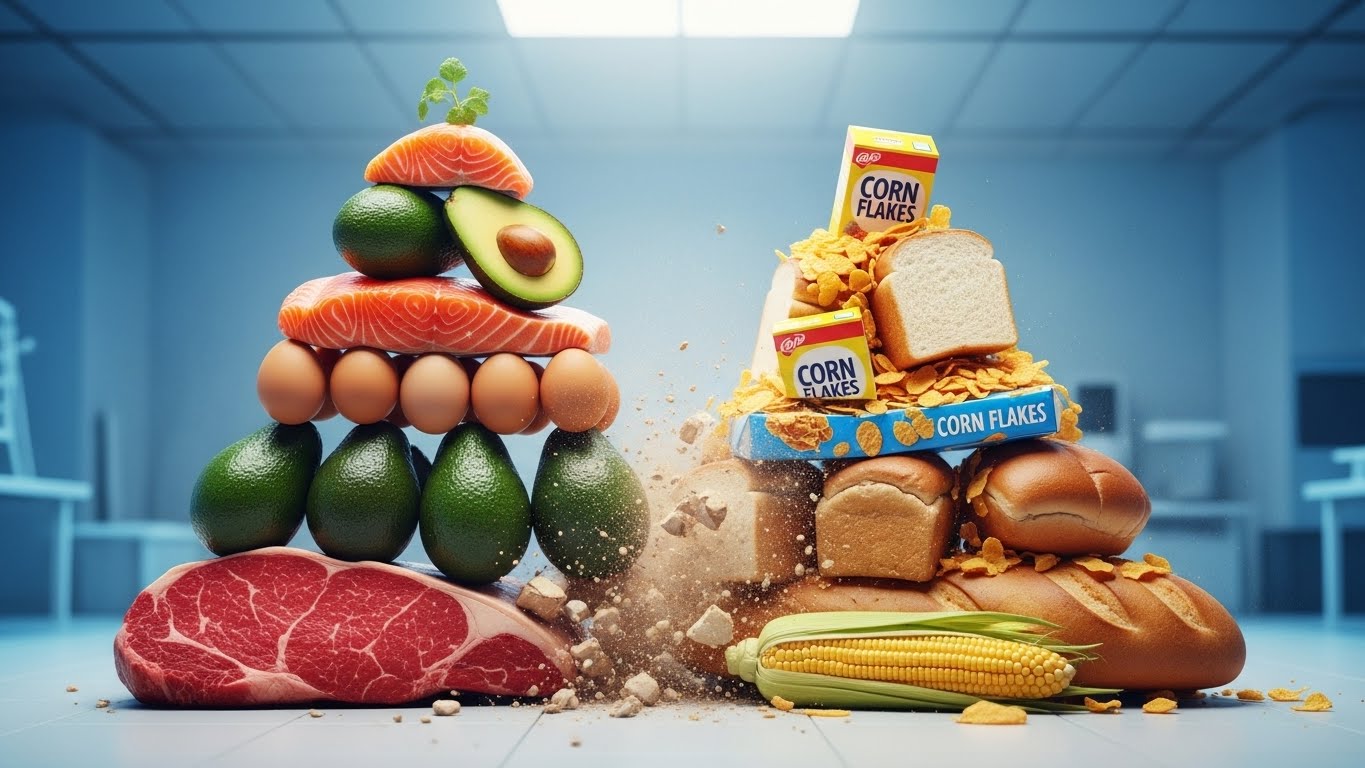
Did you know that everything we thought we knew about nutrition has taken a 180-degree turn? On January 7, 2026, the global nutritional structure officially changed. The new food pyramid hasn’t just been updated; it has practically been inverted, leaving decades of obsolete advice behind.
The old pyramid, which prioritized a base of carbohydrates and demonized fats, has proven to be one of the primary drivers of the modern epidemic of metabolic diseases. The new version places emphasis on real nutrient density and human biology.
Below, we analyze in detail 14 foods and myths that have been reclassified: what was once considered “good” we now know can be harmful, and what was forbidden turns out to be essential.
1. Carrots: A Historical Lie
For years, we were told that eating lots of carrots magically improved eyesight. The reality is that this was born as a propaganda strategy during World War II to hide radar technology from enemies, attributing the pilots’ good night aim to carrots.
- The Reality: Although they contain Vitamin A, they work no miracles nor do they correct vision. It is a vegetable with a considerable glycemic index if eaten in excess or cooked, and not the optical superfood we were sold.
2. Detox Teas and Juices vs. Liver & Kidneys
The market is saturated with “detox” products promising to cleanse you. The new pyramid clarifies that no tea or juice has the biological capacity to detoxify you better than your own organs.
- The Myth: Believing a green juice erases the weekend’s excesses.
- The Truth: Your liver and kidneys are the true filters. What actually helps is not adding sugary juices, but fasting. Stopping eating for periods allows these organs to rest and perform their natural autophagy and cleansing processes without digestive interruptions.
3. “Fat Makes You Fat”
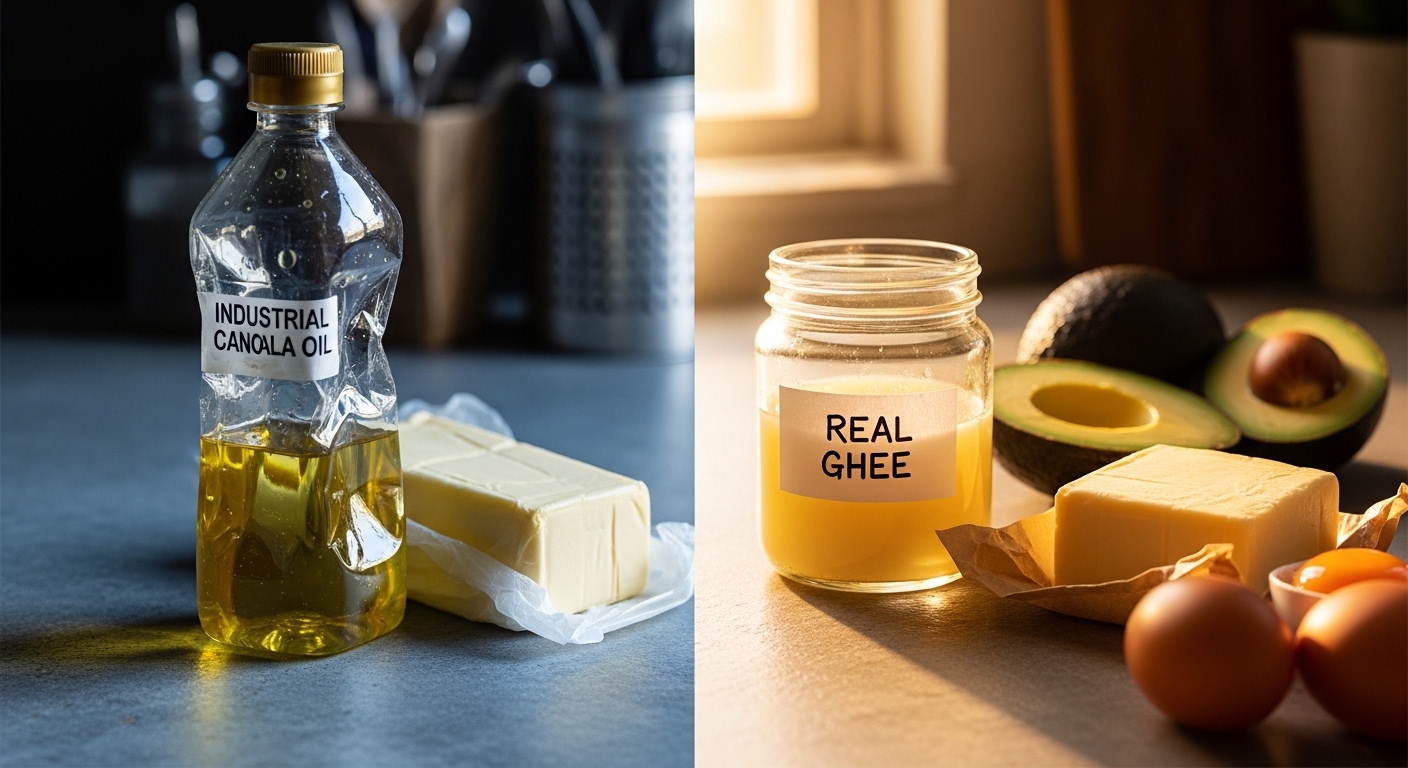
This is perhaps the most damaging myth of recent decades. The old pyramid made us fear natural fat.
- Real Benefit: Healthy fats (animal fats, avocado, butter) are essential for hormone creation and cellular structure. Fat does not spike insulin the way sugar does.
- The Reality: Eating fat does not generate body fat; excess carbohydrates and high insulin are what do that.
4. Brown Sugar: The Color Deception
There is a popular belief that if sugar is brown or “raw,” it is healthy.
- The Effect: To your body, it is practically the same thing. The metabolic response, the glucose spike, and the damage are identical to white sugar. It is simply sugar with a touch of molasses, not a healthy alternative.
5. Egg Yolks: A Nutritional Tragedy to Discard Them
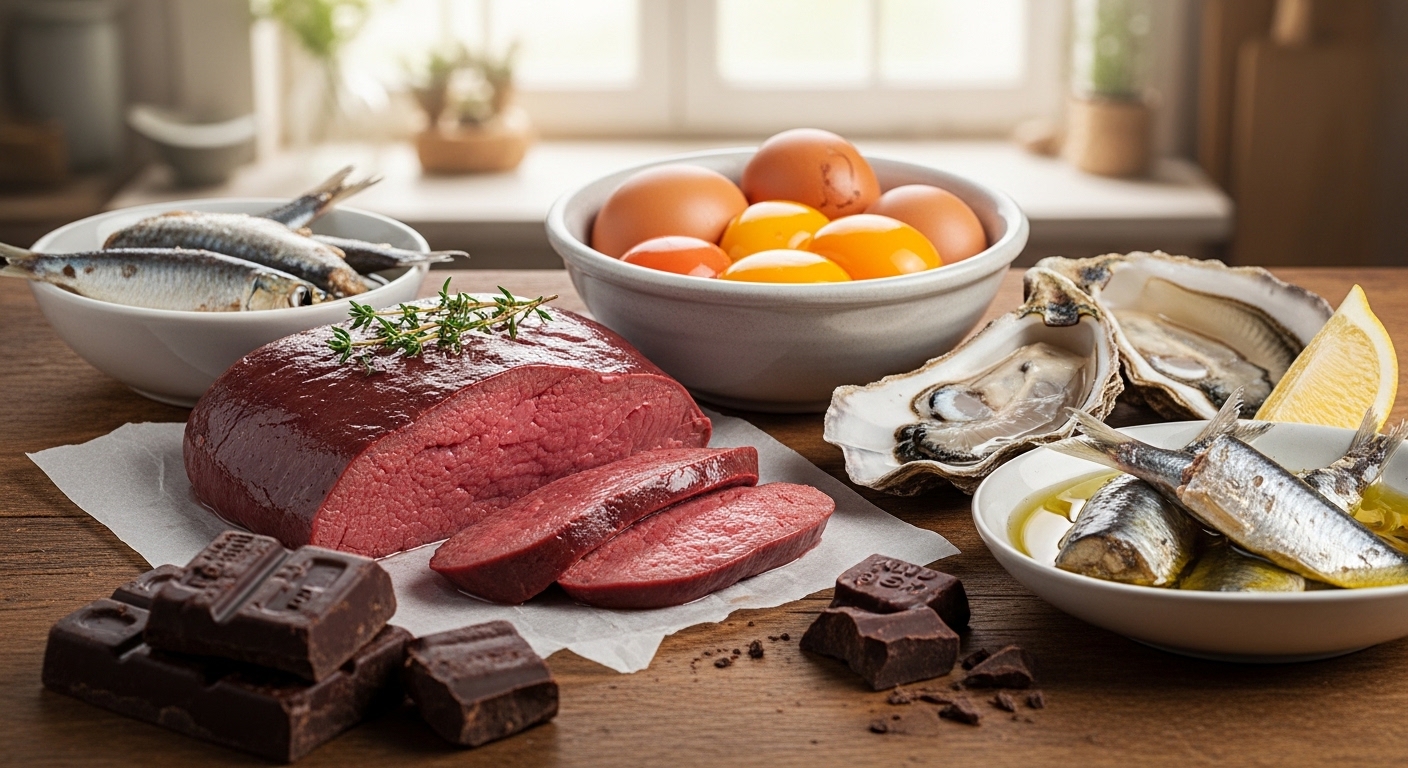
For years, we threw the most nutritious part of the egg in the trash for fear of cholesterol.
- Benefit: The new pyramid rescues the yolk as a superfood. It contains choline (vital for the brain), fat-soluble vitamins, and good fats.
- Clarification: Dietary cholesterol (what you eat) does not directly translate into blood cholesterol nor does it clog arteries on its own. Eating only the whites is depriving yourself of real nutrition.
6. The 8 Glasses of Water and the Danger of Excess
The recommendation of “8 glasses a day” stems from a misinterpretation of a 1945 study that did not account for the water already found in food.
- The Problem: Drinking water without thirst and in excess dilutes the electrolytes in your blood.
- The Sodium/Water Balance: The WHO recommends 5 grams of salt, but does not specify the amount of water. Diluting that salt in 1 liter is not the same as diluting it in 3 liters. If you drink too much water without replenishing minerals, you can fall into hyponatremia (dangerously low sodium levels).
- The Key: Drink according to thirst and ensure a correct intake of electrolytes (sodium, potassium, magnesium).
7. Orange Juice: A Liquid Dessert
It was sold as the ideal breakfast for children, but it is a ticking time bomb.
- The Effect: By juicing the fruit, you remove the fiber and keep only the water and sugar (fructose). Metabolically, a glass of orange juice impacts the liver very similarly to a soda. It is a dessert, not a healthy drink.
8. The “100% Natural” Label
Just because something is natural doesn’t mean it’s good. Petroleum is natural, arsenic is natural, and neither is food.
- The Deception: Many products are labeled this way to sell. A pineapple is natural, but its sugar load is extremely high.
- The Hidden Danger: Vegetable oils (soy, canola, corn) are of “natural” origin, but their industrial processing makes them highly inflammatory and oxidative for the body.
9. “Gluten-Free” Products
Quitting gluten is good, but substituting it with processed “Gluten-Free” products is often worse.
- The Reality: For a gluten-free bread or cookie to have a pleasant texture and not crumble, the industry fills it with gums, refined starches, sugars, and chemicals to give it consistency. They usually have a higher glycemic index than the original product.
10. High Fructose Corn Syrup (HFCS)
Present in almost all processed foods, from sauces to sodas.
- The Damage: It is an industrial sweetener designed to be cheap and addictive. Unlike glucose, concentrated fructose can only be processed by the liver, which directly promotes fatty liver and insulin resistance.
11. Almond Milk: Expensive Water with Chemicals
It is thought to be the healthy alternative to milk, but check the ingredients.
- What it should be: Almonds and water.
- What it really is: Generally contains a minimal amount of almonds (sometimes less than 2%), and the rest is water, added sugars, gums (thickeners), and synthetic fortifiers.
- Deficit: It lacks the protein bioavailability and structural fats offered by good quality cow’s milk (whole/raw).
12. Boxed Cereals
The most popular breakfast is also one of the worst.
- Composition: They are basically sugar, refined flours, preservatives, and dyes.
- The Failure: They lack protein and healthy fats. Starting the day with this spikes insulin and causes hunger and energy crashes within a few hours.
13. Fruit as an Energy Source in Sports: Metabolic Inefficiency
There is a myth that eating fruit before training is the best source of immediate energy. Science explains why this is inaccurate for high performance.
- The Composition: Fruit is, generally, half glucose and half fructose.
- The Fructose Problem: Unlike glucose, fructose cannot be used directly by your muscles. It must first go to the liver to be processed. If your hepatic glycogen stores are full, that excess fructose is transformed into triglycerides (fat) and promotes fatty liver. It does not give you “explosive” energy.
- The Energy Cost: Your body spends energy trying to digest the fiber and process that fructose in the liver, diverting blood from the muscle to the stomach. Literally, processing it can “take away” energy available for exercise.
- The Solution: For real and efficient sports energy, the body prefers direct glucose that goes straight to the muscle, without overloading the liver or activating heavy digestive processes.
14. Wine and Polyphenols
The idea has been popularized that a glass of wine a day is good for the heart due to antioxidants (polyphenols).
- The Reality: Alcohol (ethanol) is toxic in any context.
- The Math: To obtain the antioxidant benefits of the polyphenols that are presumed, you would have to drink absurd amounts of wine (hundreds of bottles), which would kill you from alcohol poisoning long before you obtained any benefit. The damage of the alcohol far outweighs the supposed benefit.
Conclusion: The Return to Human Biology
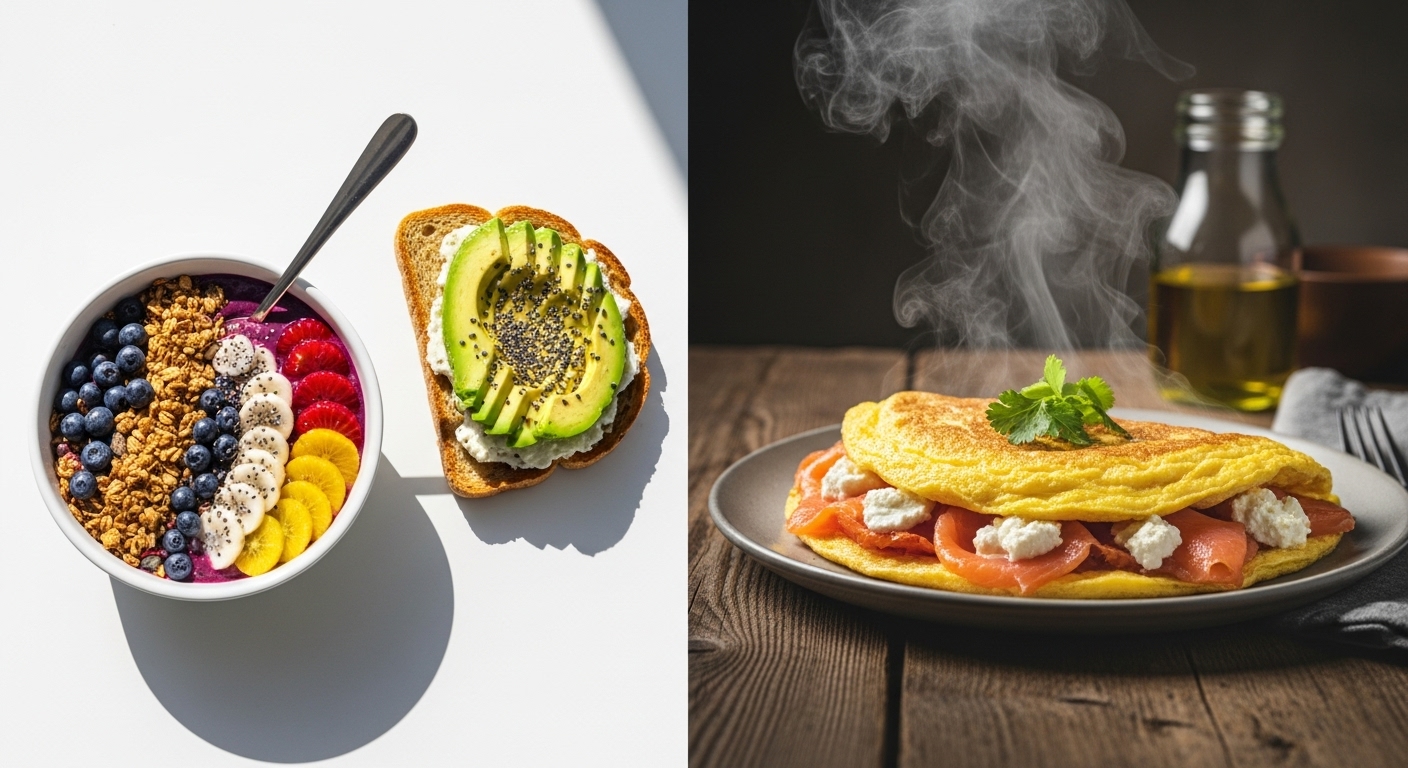
The new food pyramid of 2026 is not a fad; it is a necessary scientific correction. We have spent decades treating the human body like a simple combustion machine (calories in vs. calories out), ignoring the hormonal and chemical impact of each food.
By debunking these myths, we regain control over our metabolic health. It’s not about eating less, but about eating what our DNA expects to receive: dense nutrients, essential fats, and bioavailable proteins, leaving behind industrial products disguised as “healthy.” Listen to your body, not the advertisements.
References and Scientific Evidence
Here you will find the scientific basis that supports the changes in the pyramid and debunks the myths mentioned:
1. Fructose vs. Glucose and De Novo Lipogenesis
- Description: Detailed study on how fructose stimulates fat production in the liver (lipogenesis) more aggressively than glucose, contributing to non-alcoholic fatty liver disease.
- URL: NIH – Metabolism of Fructose and Glucose
2. The Myth of Saturated Fats and Cardiovascular Health
- Description: Meta-analysis published in Annals of Internal Medicine demonstrating that there is insufficient evidence to conclude that dietary saturated fat increases the risk of heart disease.
- URL: Annals of Internal Medicine – Association of Dietary, Circulating, and Supplement Fatty Acids with Coronary Risk
3. Hyponatremia and Excessive Water Consumption
- Description: Clinical research on the dangers of overhydration and sodium dilution in the blood in athletes and healthy individuals.
- URL: Clinical Journal of the American Society of Nephrology – Hyponatremia
4. Dietary Cholesterol and Cardiovascular Risk
- Description: Comprehensive review clarifying that cholesterol consumed in eggs and other foods has minimal or no impact on blood cholesterol for the majority of the population.
- URL: Nutrients – Dietary Cholesterol and the Lack of Evidence in Cardiovascular Disease
5. Autophagy and Fasting (Nobel Prize 2016)
- Description: Scientific foundations on how temporary caloric restriction (fasting) activates cellular repair mechanisms (autophagy), outperforming any “detox” diet.
- URL: Nobel Prize in Physiology or Medicine 2016 – Yoshinori Ohsumi
Medical Disclaimer: The information contained in this article by Caloritrack (a product of KAI STUDIOS, S.A.S.) is strictly educational and informational. While we encourage empowerment through knowledge, neither Caloritrack nor KAI STUDIOS, S.A.S. acts as a medical entity. This content does not substitute in any way the advice, diagnosis, or treatment of a qualified medical professional. Every body is unique; always consult your primary care doctor or specialist before making significant changes to your diet, routines, or lifestyle.