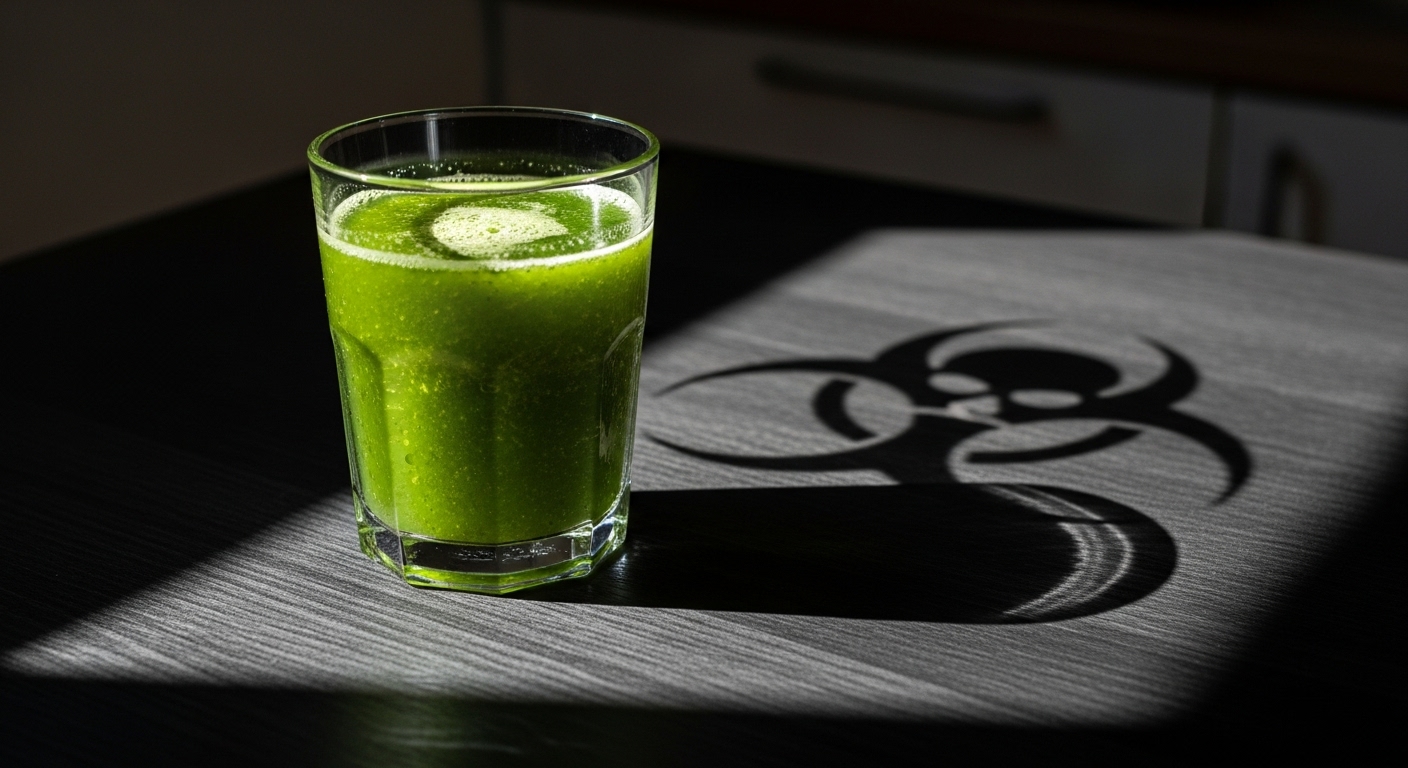
Juice Analysis and Detoxification: Myth vs. Reality
1. Introduction: The Intersection of Mechanical Processing and Digestive Physiology
Human nutrition, in its most fundamental conception, is a process of chemical extraction. From mastication to enterocyte absorption, the digestive system is designed to break down complex food matrices and release usable substrates. In recent decades, the practice of “juicing” has emerged not only as a culinary technique but as a dietary paradigm promising hyper-nutrition and physiological depuration. However, by mechanically removing insoluble fiber and breaking plant cellular structures prior to ingestion, we drastically alter absorption kinetics, hormonal response, and micronutrient bioavailability.
This technical report dissects the biochemistry of the most prevalent juices in the contemporary diet—green (spinach/kale), celery, carrot, beetroot, and orange—under a rigorous lens of nutritional pharmacokinetics. It is not enough to look at the theoretical nutritional label; it is imperative to analyze real bioavailability: the fraction of the nutrient that survives the gastric environment, interacts with intestinal transporters, and reaches systemic circulation in a metabolically active form. The discrepancy between “in vitro” (in the glass) and “in vivo” (in plasma) content is often vast, mediated by chemical antagonists like oxalates and phytates, or synergistic enhancers like vitamin C and dietary fats.
Likewise, we will address the toxicology of selective nutritional overdose. By concentrating kilograms of plant matter into milliliters of liquid, we expose ourselves to loads of antinutrients—such as oxalates, goitrogens, and furanocoumarins—that exceed the human evolutionary handling capacity. Finally, this document deconstructs the myth of juice-based “detoxification,” contrasting popular claims with Phase I and Phase II hepatic enzymatic pathways, and comparing the metabolic efficacy of these diets against intermittent and prolonged fasting interventions, where cellular autophagy plays the true regenerative role.
2. Comprehensive Analysis by Juice Type: Profiles, Goals, and Risks
Below is a detailed breakdown of each requested juice. The “daily goal” analysis is based on Recommended Dietary Allowances (RDA) for a healthy adult, calculating necessary volumes and evaluating the toxicological viability of reaching such goals exclusively through the beverage.
2.1. Green Juice: The Biochemical Dilemma between Spinach and Kale
“Green juice” is the cornerstone of modern liquid nutrition. However, under this generic term, vegetables with radically different safety profiles are grouped. The botanical and chemical distinction between Spinacia oleracea (spinach) and Brassica oleracea var. sabellica (kale) is critical for renal and thyroid health.
2.1.1. Nutritional Profile and Micronutrient Bioavailability
- Top 3 Essential Vitamins
- Vitamin K1 (Phylloquinone): The Coagulation Cascade
- Content: Dark leafy greens are the densest sources of phylloquinone in nature. One cup of spinach juice can concentrate over 890 µg of vitamin K.1 Kale, equally potent, offers concentrations massively exceeding basal requirements, with a cup of raw vegetable providing nearly 81-100 µg, a quantity multiplied when processing several cups to obtain a glass of liquid.1
- Daily Requirement (RDA): 90 µg for women and 120 µg for men.2
- Bioavailability: Vitamin K is strictly fat-soluble. Its absorption depends on the formation of bile micelles in the small intestine. In the context of a typical green juice, which is an aqueous solution with a fat content near zero (0.1 – 0.5g per cup) 3, vitamin K absorption is inefficient. Studies suggest that without lipid co-ingestion, absorption can be less than 10%. However, the extreme mechanical disruption of “juicing” releases the vitamin from chloroplasts, offering a potential absorption superior to chewed raw vegetable provided a source of fat is added (e.g., a few drops of olive oil or concurrent consumption of nuts).
- Daily Goal: A single glass of green juice (250 ml) exceeds the daily requirement by 500% to 1000%. Consuming multiple doses for this vitamin is unnecessary.
- Vitamin A (Provitamin A Carotenoids)
- Content: Spinach and kale juice is rich in beta-carotene, lutein, and zeaxanthin. One cup of spinach juice can contain approx. 193 µg RAE (Retinol Activity Equivalents) 5, while kale provides significant amounts of precursors.
- Daily Requirement (RDA): 700 µg RAE (women) and 900 µg RAE (men).6
- Bioavailability: The conversion of beta-carotene to retinol (the active form) is inefficient and variable. The standardized conversion rate is 12:1 (12 µg of beta-carotene for 1 µg of retinol), but genetic factors (polymorphisms in the BCMO1 gene) can reduce this efficacy by up to 50% in certain individuals.7 Like vitamin K, the absence of fat in the juice is the critical limiting factor. The juice releases carotene from the protein matrix, but without lipids for transport, much is excreted.
- Daily Goal: To reach 900 µg RAE exclusively with spinach juice (assuming 193 µg/cup), one would need 4.5 to 5 cups daily.
- Vitamin C (Ascorbic Acid)
- Content: Kale is superior to spinach in this aspect. One cup of kale juice can provide over 100% of the daily value, while spinach provides more modest amounts (approx. 20-30 mg per cup of juice if oxidation is considered).5
- Daily Requirement (RDA): 75 mg (women) and 90 mg (men).10
- Bioavailability: Ascorbic acid is water-soluble and highly bioavailable. However, it is extremely labile to oxidation. The juicing process introduces air violently into the mixture, and metal blades can catalyze oxidation. Degraded vitamin C becomes dehydroascorbic acid, which retains some activity but is unstable. To get real benefit, the juice must be consumed within the first 15-20 minutes of preparation.
- Daily Goal: 1 to 2 cups of kale/spinach mix juice are sufficient.
- Top 3 Essential Minerals
- Magnesium: The Critical Mineral and the Oxalate Trap
- Content: Spinach is famous for its magnesium content. One cup of cooked spinach has ~157 mg, and concentrated in juice could theoretically offer high doses. Kale contains less magnesium per gram.
- Daily Requirement (RDA): 310-320 mg (women), 400-420 mg (men).11
- Bioavailability: This is one of the most critical points of green juice nutrition. A fundamental study published in the British Journal of Nutrition using stable isotopes demonstrated that fractional magnesium absorption from spinach is significantly lower (26.7%) compared to kale (36.5%).12 The cause is oxalic acid present in spinach, which binds irreversibly to magnesium forming magnesium oxalate, an insoluble salt excreted in feces without being absorbed.
- Daily Goal: If we attempted to cover the 400 mg magnesium requirement using only spinach juice (assuming ~24 mg of absorbable magnesium per cup after the bioavailability correction factor), an individual would have to drink more than 15 cups of juice. This is toxicologically unfeasible. Kale is a more efficient “net” source, but would still require massive volumes.
- Iron (Non-Heme)
- Content: Spinach contains ~2.7 mg of iron per cup of juice 3, and kale ~1 mg.13
- Daily Requirement (RDA): 8 mg (men/postmenopausal women), 18 mg (premenopausal women).14
- Bioavailability: Plant iron (non-heme) has a poor basal absorption rate (2-20%). Spinach polyphenols and oxalates are potent inhibitors. However, here the juice offers a unique advantage: the simultaneous presence of vitamin C and organic acids in the same liquid matrix can potentiate absorption. Vitamin C reduces ferric iron (Fe3+) to ferrous (Fe2+), forming a soluble chelate in the stomach’s acidic pH that prevents precipitation in the duodenum.15
- Daily Goal: For a woman (18 mg), assuming an optimized absorption of 10% thanks to vitamin C, the total intake needed would be very high. It would require 6-7 cups of juice to approach the goal, which again clashes with oxalate limits.
- Potassium
- Content: Green juices are excellent sources of potassium. One cup of spinach juice provides ~558 mg 3, and kale ~300 mg.13
- Daily Requirement (RDA): 2,600 – 3,400 mg.17
- Bioavailability: Very high (>90%). Potassium is easily absorbed by passive diffusion.
- Daily Goal: To cover 3,400 mg, one would need 6 cups of spinach juice or 11 cups of kale juice.
2.1.2. Antinutrients and Toxicology: The Hidden Risk
Mechanical concentration of nutrients inevitably entails the concentration of natural plant defense toxins.
- Oxalates (Oxalic Acid): The Renal Threat
- Mechanism: Oxalic acid is a dicarboxylic organic acid plants use to manage calcium and defend against predators. In the human body, it is a metabolic end-product that must be excreted. When the oxalate load exceeds renal secretion capacity, it binds to urinary calcium forming calcium oxalate monohydrate (whewellite) or dihydrate (weddellite) crystals.
- Comparative Content: Spinach is one of the most concentrated sources on the planet. One cup of raw spinach contains ~656 mg of oxalates. When juicing, it is easy to consume the equivalent of 4-5 cups of raw spinach in a single glass, resulting in a load of >2,500 mg of oxalate. In contrast, kale is low in oxalates (~2 mg per cup).18
- Side Effects: Acute oxalate nephropathy. Clinical cases of “green smoothie kidney failure” have been documented where massive crystal deposition in renal tubules caused permanent damage and need for dialysis.18 The risk increases with antibiotic use (which eliminates Oxalobacter formigenes, the bacteria that degrades oxalates) or bariatric surgery.18
- Safety Conclusion: Raw spinach juice must be strictly limited. Kale juice is renally safe in this regard.
- Goitrogens (Glucosinolates): The Thyroid Brake
- Mechanism: Cruciferous vegetables like kale, cabbage, and broccoli contain glucosinolates (e.g., progoitrin). Upon tissue disruption (as in juicing), the enzyme myrosinase converts these compounds into goitrin and isothiocyanates. Goitrin interferes with iodine organification in the thyroid, inhibiting T3 and T4 hormone synthesis.20
- Impact in Juices: Cooking inactivates myrosinase, reducing goitrogenic potential. However, juices are consumed raw, maximizing enzymatic activity and goitrin load.
- Side Effects: In people with marginal iodine intake or subclinical hypothyroidism, daily consumption of large volumes of kale juice can precipitate hypothyroidism or goiter.22
2.1.3. Real Benefit vs. Harm
- Benefit: Green juices (especially kale/cucumber/lemon) are potent vehicles for folate, vitamin K, and antioxidants without the glycemic load of fruit juices.
- Harm: Spinach juice presents an unacceptable nephrotoxic risk in high doses. Kale presents thyroid risk if not rotated.
- Verdict: Avoid spinach juice as a daily base. Use kale in moderation and rotate with romaine lettuce, cucumber, or celery.
2.2. Celery Juice: Demystifying the Salty “Panacea”
Celery juice has experienced a meteoric rise, driven by pseudoscientific claims about “cluster salts” and miraculous cures. Biochemically, celery is a natural electrolyte solution, but its benefits must be weighed against specific risks.
2.2.1. Nutritional Profile and Bioavailability
- Top 3 Vitamins
- Vitamin K: One cup of celery juice provides modest but useful amounts, approximately 20-30 µg (15-25% RDA), depending on concentration.23
- Folate (B9): Provides ~85 µg (21% RDA).24 It is a bioavailable source of natural folate (methylfolate), superior to synthetic folic acid.
- Vitamin A: Low content (~7-9% RDA). Not a significant source compared to carrot or dark leafy greens.
- Top 3 Minerals
- Sodium: The distinctive trait of celery. One cup contains ~189-215 mg of natural sodium.23 Unlike refined table sodium, this comes accompanied by potassium and other cofactors, but it is still sodium.
- Potassium: ~600-670 mg per cup (14-15% RDA).23 The Sodium:Potassium ratio is healthy (approx 1:3), favoring intracellular hydration.
- Calcium: ~94-99 mg (10% RDA).23
2.2.2. Daily Goal and Volume
- Potassium: To reach the 3,400 mg potassium goal using only celery juice, one would need 5 to 6 cups (1.2 – 1.5 liters).
- Consequence: Ingesting that volume would also imply consuming >1,100 mg of extra sodium, which could be problematic for people with salt-sensitive hypertension.
2.2.3. Antinutrients and Side Effects
- Psoralens (Furanocoumarins): Phototoxicity
- Celery is rich in psoralens, compounds that intercalate into cellular DNA and absorb UV energy.
- Effect: Consumption of large amounts of celery juice (and thus high doses of psoralens) sensitizes the skin to sunlight. Cases of severe phytophotodermatitis have been reported, where patients suffer extreme sunburns and blisters following mild sun exposure after celery juice diets.25
- Mannitol and FODMAPs: Digestive Distress
- Celery contains mannitol, a fermentable polyol. Juicing concentrates this sugar alcohol.
- Effect: Acts as an osmotic laxative in the small intestine and is rapidly fermented by bacteria in the colon. It can cause acute diarrhea, gas, and severe abdominal distension in people with Irritable Bowel Syndrome (IBS) or FODMAP sensitivity.25
2.2.4. Myth vs. Reality
The “Medical Medium” claim regarding “undiscovered cluster salts” that kill pathogens lacks scientific basis. Celery contains standard mineral salts (chlorides, sulfates, phosphates). Its real benefit lies in being a low-sugar, high-electrolyte alternative for fluid replenishment, superior to commercial sports drinks, but it is not a magical autoimmune cure.27
2.3. Carrot Juice: The Bioavailability Exception
Unlike many vegetables where raw is superior, carrot presents a fascinating case where the mechanical processing of juice improves the absorption of its star nutrient.
2.3.1. Nutritional Profile and Bioavailability
- Top 3 Vitamins
- Vitamin A (Beta-carotene):
- Content: Exceptional. One cup of juice contains >21,000 µg of beta-carotene (approx. 1,700-1,800 µg RAE), covering over 700% of the RDA.28
- Bioavailability: In the whole raw carrot, beta-carotene is trapped inside a crystalline matrix surrounded by pectin and cellulose cell walls difficult to digest. Mastication only breaks a fraction of these cells. Juice breaks this matrix efficiently. Clinical studies show that peak plasma concentration of beta-carotene is 2.33 times higher when consuming juice compared to raw carrots.7 However, absorption still requires dietary fat for chylomicron formation.
- Vitamin K: ~37 µg (30% RDA).31
- Vitamin B6: ~0.5 mg (39% RDA).28
- Top 3 Minerals
- Potassium: ~689 mg per cup.28 It is one of the most concentrated and economical sources of dietary potassium.
- Phosphorus: Moderate levels, important for bone metabolism.
- Magnesium: Low levels.
2.3.2. Daily Goal and Volume
- Vitamin A: Less than 50 ml (one-quarter cup) of carrot juice is sufficient to cover 100% of the daily vitamin A requirement.
- Potassium: It would require 4 to 5 cups to cover the potassium RDA.
2.3.3. Antinutrients and Side Effects
- Free Sugar and Glycemic Load:
- One cup of carrot juice contains ~9-10g of natural sugars (sucrose, glucose, fructose).32 Although its Glycemic Index (GI) is moderate (approx. 40), the removal of fiber (approx. 2-3g lost) accelerates gastric absorption. Consuming liters of this juice can generate significant cumulative glycemic loads, inadvisable for diabetics.33
- Carotenemia (Orange Skin):
- Excess beta-carotene deposits in the stratum corneum of the skin. Chronic intake of >30 mg beta-carotene per day (approx. 1.5 – 2 cups of juice) can cause an orange-yellow coloration in palms and soles. It is a benign and reversible condition (unlike jaundice, the sclera of the eye does not turn yellow), but can be confused with liver pathology.8
2.3.4. Real Benefit
It is the most efficient method to elevate vitamin A status in deficient populations. Its antioxidant profile is robust, but it should be consumed in moderation due to sugar and always accompanied by a fat source (e.g., some nuts or drops of oil) to maximize carotenoid absorption.
2.4. Beetroot Juice: Pharmacology in a Glass
Beetroot juice transcends the food category to enter that of “nutraceutical” or ergogenic aid, thanks to its unique content of bioactive nitrates.
2.4.1. Nutritional Profile and Bioavailability
- Top 3 Vitamins
- Folate (B9): One of the best plant sources. One cup provides ~100-140 µg (34% RDA).34 Fundamental for DNA methylation and prevention of megaloblastic anemia.
- Vitamin C: Moderate content (approx. 6-10 mg), not a primary source.
- Vitamin B6: Moderate content.
- Top 3 Minerals
- Potassium: Excellent source, providing ~440-700 mg per cup.34
- Manganese: Essential cofactor for superoxide dismutase (SOD) enzyme, vital in mitochondrial antioxidant defense.
- Iron: Contains non-heme iron (~1.4 mg), but its bioavailability is limited without enhancers.36
- The Star Component: Inorganic Nitrates (NO3-)
- Mechanism: Beetroot juice is rich in NO3-. After ingestion, this is absorbed and concentrated in the salivary glands. Facultative anaerobic bacteria on the dorsal surface of the tongue reduce Nitrate (NO3-) to Nitrite (NO2-). Upon swallowing saliva, nitrite reaches the acidic stomach where it converts to Nitric Oxide (NO).
- Physiological Effect: NO diffuses to vascular smooth muscle, activating guanylate cyclase, increasing cGMP and causing systemic vasodilation. This reduces blood pressure and improves muscle perfusion during exercise, reducing the oxygen cost of ATP.37
2.4.2. Daily Goal and Therapeutic Effects
- To obtain the antihypertensive benefit (reduction of ~4-5 mmHg in systolic), the effective studied dose is 250-500 ml (1-2 cups) of beetroot juice per day.
- Critical Note: The use of antibacterial mouthwashes (chlorhexidine) kills tongue bacteria and interrupts this cycle, completely nullifying the cardiovascular benefits of the juice.37
2.4.3. Antinutrients and Toxicology
- Oxalates: Like spinach, beetroot is a plant of the Amaranthaceae family (formerly Chenopodiaceae) and is extremely high in soluble and insoluble oxalates. The juice concentrates these compounds, significantly elevating the risk of kidney stones in susceptible individuals.36
- Sucrose: Beetroot has one of the highest sugar contents among vegetables (~22g of sugar per cup of juice).39 This can generate rapid glycemic spikes.
- Beeturia: Excretion of betacyanin pigments in urine and feces, staining them red/pink. Affects 10-14% of the population and may be an indicator of iron deficiency or rapid intestinal absorption, though it is benign.26
2.5. Orange Juice: The Natural “Soda”
Orange juice is ubiquitous, but from a metabolic perspective, its profile resembles that of a sugary drink more than that of whole fruit.
2.5.1. Nutritional Profile and Bioavailability
- Top 3 Vitamins
- Vitamin C: Primary source. One cup provides ~90-120 mg (>100% RDA). Bioavailability is excellent (~100% for doses up to 200mg), saturating tissues rapidly.40
- Folate: ~74 µg (19% RDA).
- Thiamin (B1): ~0.2 mg.
- Top 3 Minerals
- Potassium: ~496 mg (11% RDA).
- Magnesium: ~27 mg (Low).
- Calcium: Low in natural juice, though often commercially fortified.
2.5.2. Daily Goal and Volume
- Vitamin C: A 200 ml glass is sufficient to saturate daily requirements. Consuming more provides no additional benefit as excess is renally excreted once the plasma threshold is saturated.
2.5.3. Antinutrients and Harmful Effects
- Fructose Load and Hepatic Lipogenesis:
- One cup contains ~20-24g of sugar, of which approx. half is free fructose.42 Unlike glucose, fructose can only be metabolized by the liver. In the absence of fiber (which slows gastric emptying), this wave of fructose saturates the hepatic glycolytic pathway, diverting substrates toward de novo lipogenesis (creation of new fat), increasing triglycerides and visceral fat.
- Dental Erosion:
- Orange juice is doubly damaging to teeth: it is acidic (pH ~3.5 due to citric and ascorbic acid) and high in fermentable sugars. This causes direct enamel demineralization (erosion) and feeds cariogenic bacteria. Damage is greater if sipped slowly or used as a rinse.44
- Pharmacological Interactions (OATP):
- Although less potent than grapefruit (which inhibits CYP3A4), orange contains flavonoids (hesperidin) that inhibit Organic Anion Transporting Polypeptides (OATP) in the intestine. This reduces absorption of medications like fexofenadine (allergies), atenolol (blood pressure), and ciprofloxacin, decreasing their therapeutic efficacy.46
3. The Detox Myth (“Detox”)
The wellness industry promotes juices as agents of internal “cleansing.” However, hepatic physiology tells a different story: an exclusive juice diet can, paradoxically, inhibit the body’s capacity to eliminate real toxins.
3.1. Hepatic Physiology: Phase I and Phase II
The liver does not act as a filter that “catches” toxins, but as a chemical laboratory that transforms them. This process occurs in two obligatory phases:
- Phase I (Bioactivation/Functionalization – Cytochrome P450):
- CYP450 enzymes take fat-soluble toxins (pesticides, drugs, steroid hormones) and add a reactive functional group (like a hydroxyl group) via oxidation, reduction, or hydrolysis.
- Result: Often creates an “intermediate metabolite” that is more toxic and reactive (free radicals) than the original substance.
- Juice Nutrients: This phase requires B vitamins (especially B2, B3, B6, B12, folate), antioxidants (vitamin C, E), and flavonoids. Juices provide these in abundance, accelerating Phase I.47
- Phase II (Conjugation):
- The toxic intermediate metabolite must be neutralized immediately by binding it to a large, water-soluble molecule for excretion via urine or bile. Main pathways include glucuronidation, sulfation, glutathione conjugation, and amino acid conjugation.
- Critical Requirement: This phase depends absolutely on amino acids (Glycine, Taurine, Cysteine, Glutamine, Methionine) and sulfur.49
3.2. The Biochemical Failure of the Juice Diet
The fundamental problem of a “juice only” diet (detox) is the nutritional imbalance it causes in these phases:
- Phase I Acceleration: Juices flood the liver with vitamins and phytochemicals that stimulate CYP450 enzymes, increasing the production of reactive intermediate metabolites.
- Phase II Blockade: Juices are practically devoid of proteins and amino acids (especially methionine and cysteine, glutathione precursors). Without these conjugation “bricks,” Phase II slows or stops.
- Consequence (The Toxic “Gap”): An accumulation of highly reactive intermediate metabolites occurs that cannot be conjugated or eliminated. This generates massive oxidative stress and hepatic inflammation, achieving exactly the opposite of a safe detoxification. The body recycles these activated toxins as it cannot excrete them.
4. Metabolic Comparison: Juices vs. Intermittent Fasting vs. Prolonged Fasting
To achieve true cellular regeneration (“cleansing”), the required physiological mechanism is autophagy, a lysosomal catabolic process where the cell degrades its own damaged components.
4.1. Juice Only Diet (Juice Cleanse)
- Metabolic State: Fed state.
- Insulin and Glucose: Even “green” juices provide carbohydrates and calories constantly throughout the day. This maintains elevated basal insulin levels and supplies exogenous glucose.
- Autophagy: Inhibited. The presence of nutrients (especially glucose and amino acids if any, but glucose suffices) activates the mTORC1 complex (Mammalian Target of Rapamycin), which is the master switch of anabolism. When mTORC1 is active, it directly blocks autophagy initiation. While calories are consumed, there is no deep cellular recycling.51
- Conclusion: A juice “cleanse” does not activate cellular cleaning; it simply changes the calorie source to easy-to-digest liquid carbohydrates.
4.2. Intermittent Fasting (TRF – Time Restricted Feeding 16:8)
- Metabolic State: Cycled (Fed/Post-absorptive/Early Fasting).
- Insulin: Drops to baseline levels during the fasting window (12-16h).
- Autophagy: Initiates moderately. Around 16-18 hours, as hepatic glycogen decreases, the cellular AMP/ATP ratio increases, activating AMPK kinase. AMPK inhibits mTOR and activates autophagy, but the process is incipient and interrupted upon eating again.
- Benefit: Improves insulin sensitivity and gives digestive rest, allowing the Migrating Motor Complex (MMC) to clean the intestine.
4.3. Prolonged Fasting (Water >24-48-72h)
- Metabolic State: Nutritional Ketosis and Deep Fasting.
- Insulin: Physiological minimum. Glucagon elevated.
- Autophagy: Maximal. After 24-48 hours, hepatic glycogen depletes. The body shifts to lipid metabolism (ketone bodies). Sustained suppression of insulin and mTOR, together with high activation of AMPK and sirtuins, induces deep systemic autophagy. Cells degrade dysfunctional organelles, protein aggregates, and intracellular pathogens for energy and repair materials.53
- Detoxification: It is the most potent form. Without digestive load or entry of dietary xenobiotics, the liver can process existing toxic load (provided there are prior nutrient reserves) and, critically, cells self-purify.
5. Conclusions and Final Recommendations
Exhaustive evidence analysis allows for clear conclusions regarding the role of juices in human nutrition.
- Nutritional Efficacy: Juices are effective tools for specific supplementation, not basal nutrition. They are excellent vehicles for heat-sensitive nutrients (Vitamin C, Folates) and specific bioactive compounds (Nitrates, released Beta-carotene). However, they fail as a complete food by lacking fiber, proteins, and essential fats, which paradoxically reduces the bioavailability of their own fat-soluble vitamins (A, K) if not strategically combined with lipids.
- Safety and Toxicology: Indiscriminate juice consumption, especially spinach, carries real medical risks. Oxalate nephropathy is a documented danger. Fruit and tuber juices (carrot, beetroot, orange) must be treated with caution due to their glycemic load.
- Demystifying Detox: “Juice only” diets do not detoxify. On the contrary, they may stress the liver by uncoupling biotransformation phases (accelerating Phase I without supporting Phase II). True cellular cleaning is achieved through water fasting (autophagy) and hepatic support with complete proteins and amino acids, not with sugary juices lacking protein.
Practical Recommendations:
- As a Supplement, Not a Substitute: Use juices (max. 1 glass a day) as a functional multivitamin “shot,” accompanied by a meal containing protein and fat.
- Mandatory Rotation: Never consume the same green juice every day. Alternate kale, cucumber, celery, romaine lettuce, and parsley to avoid accumulation of a single antinutrient (oxalates or goitrogens). Avoid spinach in juices; eat it cooked.
- Metabolic Strategy: If seeking detoxification, opt for intermittent or prolonged fasting (under supervision) and break the fast with sulfur-rich foods and complete amino acids (cooked crucifers, eggs, fish), not fruit juices.
- Technique: Always prefer blending (smoothies) over extracting (juicing) to retain fiber, which mitigates glycemic impact and feeds gut microbiota.
6. Scientific References
Below are the studies and articles reviewed for this report, including title, description of relevant finding, and link to the source.
- 18 High Oxalate Greens and Kidney Stones
- 12 Fractional magnesium absorption is significantly lower… from spinach as compared with kale
- 25 Side Effects of Celery Juice
- Description: Medical review of celery juice risks, including psoralen toxicity (photodermatitis) and gastrointestinal effects of mannitol.
- URL:(https://www.healthline.com/nutrition/side-effects-of-celery-juice#The-bottom-line)
- 7 Comparative studies on beta-carotene absorption
- 37 Beetroot nutritional analysis and health benefits
- 51 Calorie restriction and autophagy
- 20 Glucosinolates in Brassica vegetables
- 46 Fruit Interactions with Medicines
- 48 Tissue detoxification mechanisms
- 16 Why does iron absorb better with Vitamin C?
Obras citadas
- USDA National Nutrient Database-Vitamin K, fecha de acceso: enero 22, 2026, https://www.nal.usda.gov/sites/default/files/page-files/Vitamin%20K.pdf
- Kale Nutrition Facts and Health Benefits – Verywell Fit, fecha de acceso: enero 22, 2026, https://www.verywellfit.com/kale-nutrition-facts-calories-and-health-benefits-4117546
- Spinach juice Nutrition – SnapCalorie, fecha de acceso: enero 22, 2026, https://www.snapcalorie.com/nutrition/spinach_juice_nutrition.html
- Carbs in Spinach juice, fecha de acceso: enero 22, 2026, https://www.carbmanager.com/food-detail/cc:35209b273cfa0838f8bd92bc1a19c509/spinach-juice
- Calories in Spinach Juice and Nutrition Facts – MyNetDiary, fecha de acceso: enero 22, 2026, https://www.mynetdiary.com/food/calories-in-spinach-juice-fluid-ounce-41634439-0.html
- Reference Tables – Dietary Reference Intakes – NCBI Bookshelf – NIH, fecha de acceso: enero 22, 2026, https://www.ncbi.nlm.nih.gov/books/NBK208874/
- Comparative bioavailability of β-carotene from raw carrots and fresh carrot juice in humans: a crossover study – PMC – NIH, fecha de acceso: enero 22, 2026, https://pmc.ncbi.nlm.nih.gov/articles/PMC11982686/
- Carrots 101: Nutrition Facts and Health Benefits – Healthline, fecha de acceso: enero 22, 2026, https://www.healthline.com/nutrition/foods/carrots
- Kale – Raw vs Cooked | 40 Days of study, fecha de acceso: enero 22, 2026, https://40daysofstudy.com/2013/03/06/kale-raw-vs-cooked/
- Nutrients: Vitamin C, Total Ascorbic Acid (mg) – USDA, fecha de acceso: enero 22, 2026, https://www.nal.usda.gov/sites/default/files/page-files/Vitamin%20C.pdf
- SUMMARY TABLES: Dietary Reference Intakes – NCBI – NIH, fecha de acceso: enero 22, 2026, https://www.ncbi.nlm.nih.gov/books/NBK222881/
- Fractional magnesium absorption is significantly lower in human subjects from a meal served with an oxalate-rich vegetable, spinach, as compared with a meal served with kale, a vegetable with a low oxalate content | British Journal of Nutrition – Cambridge University Press & Assessment, fecha de acceso: enero 22, 2026, https://www.cambridge.org/core/journals/british-journal-of-nutrition/article/fractional-magnesium-absorption-is-significantly-lower-in-human-subjects-from-a-meal-served-with-an-oxalaterich-vegetable-spinach-as-compared-with-a-meal-served-with-kale-a-vegetable-with-a-low-oxalate-content/D44B642494EA1D2F55852C8D92A9F602
- Kale juice Nutrition – SnapCalorie, fecha de acceso: enero 22, 2026, https://www.snapcalorie.com/nutrition/kale_juice_nutrition.html
- Summary – Recommended Dietary Allowances – NCBI Bookshelf – NIH, fecha de acceso: enero 22, 2026, https://www.ncbi.nlm.nih.gov/books/NBK234929/
- Dietary Iron – StatPearls – NCBI Bookshelf – NIH, fecha de acceso: enero 22, 2026, https://www.ncbi.nlm.nih.gov/books/NBK540969/
- Why Does Iron Absorb Better with Vitamin C? Understanding the Synergy – BUBS Naturals, fecha de acceso: enero 22, 2026, https://www.bubsnaturals.com/blogs/all-about-vitamin-c/why-does-iron-absorb-better-with-vitamin-c-understanding-the-synergy
- Nutrient Recommendations and Databases – Office of Dietary Supplements (ODS) – NIH, fecha de acceso: enero 22, 2026, https://ods.od.nih.gov/HealthInformation/nutrientrecommendations.aspx
- High Oxalate Greens and Kidney Stones – NutritionFacts.org, fecha de acceso: enero 22, 2026, https://nutritionfacts.org/blog/high-oxalate-greens-and-kidney-stones/
- Oxalate in Food, fecha de acceso: enero 22, 2026, https://www.stjoes.ca/patients-visitors/patient-education/patient-education-k-o/pd-9447-oxalate-in-food.pdf
- Cooking Methods for Preserving Isothiocyanates and Reducing Goitrin in Brassica Vegetables – PMC – PubMed Central, fecha de acceso: enero 22, 2026, https://pmc.ncbi.nlm.nih.gov/articles/PMC10573036/
- Can You Eat Raw Kale, and Should You? – Healthline, fecha de acceso: enero 22, 2026, https://www.healthline.com/nutrition/can-you-eat-raw-kale
- Kale – The Nutrition Source – Harvard University, fecha de acceso: enero 22, 2026, https://nutritionsource.hsph.harvard.edu/food-features/kale/
- Celery Juice Nutrition Facts and Health Benefits – Verywell Fit, fecha de acceso: enero 22, 2026, https://www.verywellfit.com/celery-juice-nutrition-facts-4169601
- Celery juice: Benefits and myths – Medical News Today, fecha de acceso: enero 22, 2026, https://www.medicalnewstoday.com/articles/324932
- 5 Side Effects of Celery Juice – Healthline, fecha de acceso: enero 22, 2026, https://www.healthline.com/nutrition/side-effects-of-celery-juice%23The-bottom-line
- 6 Side Effects of Eating Raw Beets – Verywell Health, fecha de acceso: enero 22, 2026, https://www.verywellhealth.com/side-effects-of-raw-beets-11841702
- Celery Juice: Potential Side Effects and Health Benefits – EatingWell, fecha de acceso: enero 22, 2026, https://www.eatingwell.com/article/291470/celery-juice-the-health-benefits-side-effects-and-science-behind-the-trend/
- Carrot Juice Nutrition Facts – Eat This Much, fecha de acceso: enero 22, 2026, https://www.eatthismuch.com/calories/carrot-juice-2300
- Carrot juice: Benefits, nutrition, and recipes – Medical News Today, fecha de acceso: enero 22, 2026, https://www.medicalnewstoday.com/articles/320297
- Comparative bioavailability of β-carotene from raw carrots and fresh carrot juice in humans: a crossover study – PubMed, fecha de acceso: enero 22, 2026, https://pubmed.ncbi.nlm.nih.gov/40226756/
- 1 Cup Of Carrot Juice Nutrition Facts – Eat This Much, fecha de acceso: enero 22, 2026, https://www.eatthismuch.com/calories/carrot-juice-2300?a=1%3A1
- Carrot juice, canned, 1 cup – University Hospitals, fecha de acceso: enero 22, 2026, https://www.uhhospitals.org/health-information/health-and-wellness-library/article/nutritionfacts-v1/carrot-juice-canned-1-cup
- Is Carrot and Beetroot Juice Good for People with Diabetes? – Fitterfly, fecha de acceso: enero 22, 2026, https://www.fitterfly.com/blog/is-carrot-and-beetroot-juice-good-for-diabetes/
- Beets Nutrition Facts and Health Benefits – Verywell Fit, fecha de acceso: enero 22, 2026, https://www.verywellfit.com/beets-nutrition-facts-calories-and-their-health-benefits-4116852
- Beet Juice Nutrition Facts and Health Benefits – Verywell Fit, fecha de acceso: enero 22, 2026, https://www.verywellfit.com/beet-juice-what-should-i-know-about-it-89698
- What are the benefits of beetroot juice, and how much is healthy to drink? – Medical News Today, fecha de acceso: enero 22, 2026, https://www.medicalnewstoday.com/articles/324898
- Sugar and Oxalate Free Beetroot Juice: Production and Assessment of its Human Health Benefits | FP7 | CORDIS, fecha de acceso: enero 22, 2026, https://cordis.europa.eu/project/id/625738/reporting
- Beetroot juice supplementation and exercise performance: is there more to the story than just nitrate? – NIH, fecha de acceso: enero 22, 2026, https://pmc.ncbi.nlm.nih.gov/articles/PMC10912565/
- fecha de acceso: enero 22, 2026, https://www.goodnature.com/juice-archives/does-beet-juice-have-sugar#:~:text=On%20average%2C%20an%208%2Dounce,compared%20to%20other%20juice%20ingredients.
- Effects of Citrus Fruit Juices and Their Bioactive Components on Inflammation and Immunity: A Narrative Review – PMC – PubMed Central, fecha de acceso: enero 22, 2026, https://pmc.ncbi.nlm.nih.gov/articles/PMC8264544/
- Orange Juice Nutrition Facts and Health Benefits – Verywell Fit, fecha de acceso: enero 22, 2026, https://www.verywellfit.com/orange-juice-nutrition-facts-calories-and-health-benefits-4113143
- How Much Sugar is in Orange Juice? What About Added Sugar? – Goodnature, fecha de acceso: enero 22, 2026, https://www.goodnature.com/juice-archives/how-much-sugar-is-in-orange-juice-what-about-added
- Orange juice, raw, 1 cup | University Hospitals, fecha de acceso: enero 22, 2026, https://www.uhhospitals.org/health-information/health-and-wellness-library/article/nutritionfacts-v1/orange-juice-raw-1-cup
- Comparative Evaluation of Erosive Potential of Various Frozen and Unfrozen Fruit Juices on Primary Teeth Enamel: An In Vitro Study – PMC – NIH, fecha de acceso: enero 22, 2026, https://pmc.ncbi.nlm.nih.gov/articles/PMC6555365/
- Fruit Juices and Dental Erosion in Kids – Bayshore Pediatric Dentistry & Orthodontics, fecha de acceso: enero 22, 2026, https://pediatricdentistintampa.com/fruit-juices-and-dental-erosion-in-kids/
- Fruit Interactions with Common Medicines – Medsafe, fecha de acceso: enero 22, 2026, https://medsafe.govt.nz/profs/PUArticles/March2015FruitInteractions.htm
- Unveiling the 3 Phases of Detox: Your Roadmap to Renewal |, fecha de acceso: enero 22, 2026, https://integrative.ca/blog/3-phases-detoxification
- Guided Metabolic Detoxification Program Supports Phase II Detoxification Enzymes and Antioxidant Balance in Healthy Participants – PubMed Central, fecha de acceso: enero 22, 2026, https://pmc.ncbi.nlm.nih.gov/articles/PMC10181083/
- fecha de acceso: enero 22, 2026, https://jcdailynews.com/understanding-phase-i-and-phase-ii-liver-detox-what-your-body-needs-to-truly-cleanse-2/#:~:text=Phase%20II%20Detoxification%3A%20The%20Conjugation%20Phase&text=What%20Phase%20II%20Needs%3A,Magnesium%20and%20zinc
- Understanding Phase I and Phase II Liver Detox: What Your Body Needs to Truly Cleanse, fecha de acceso: enero 22, 2026, https://jcdailynews.com/understanding-phase-i-and-phase-ii-liver-detox-what-your-body-needs-to-truly-cleanse-2/
- The Beneficial and Adverse Effects of Autophagic Response to Caloric Restriction and Fasting – PMC – PubMed Central, fecha de acceso: enero 22, 2026, https://pmc.ncbi.nlm.nih.gov/articles/PMC10509423/
- Suppression of autophagy is protective in high glucose-induced cardiomyocyte injury – NIH, fecha de acceso: enero 22, 2026, https://pmc.ncbi.nlm.nih.gov/articles/PMC3405845/
- The Effects of Calorie Restriction on Autophagy: Role on Aging Intervention – PMC, fecha de acceso: enero 22, 2026, https://pmc.ncbi.nlm.nih.gov/articles/PMC6950580/
- Autophagy: Definition, Process, Fasting & Signs – Cleveland Clinic, fecha de acceso: enero 22, 2026, https://my.clevelandclinic.org/health/articles/24058-autophagy
Medical Disclaimer: The mission of Caloritrack (developed and legally operated by KAI STUDIOS, S.A.S.) is to provide you with evidence-based tools and information to take control of your well-being. This in-depth study has been written for purely informational and educational purposes. KAI STUDIOS, S.A.S. is not a healthcare provider. The information presented here should not be interpreted under any circumstance as personalized medical advice, nor is it intended to diagnose, treat, cure, or prevent any disease. Every body is unique; therefore, we strongly urge you to consult with your trusted physician or qualified healthcare professional before implementing new habits, fasting protocols, or metabolic changes based on this study.