96-Hour Deep Fast (GKI Homeostasis & Total Enterocyte Rest)
Ninety-six hours at the summit of ketogenic physiology: Glucose-Ketone Index (GKI) in the 1.0–1.6 zone, complete epithelial rest, and master refeed discipline.
CaloriTrack’s deliberate 96-hour (4-day) ceiling captures the full spectrum of deep ketosis (BHB 3.5–5.0 mmol/L), immune recycling, and gut-barrier rest while stopping right before the >5-day clinical threshold that requires inpatient refeeding laboratory monitoring.
Hour-by-Hour Cellular Timeline (Target: 96h)
Total intestinal stillness and contemplative clarity; digestive enzymes await gentle step-by-step reactivation.
The 5 Deep Regeneration Sub-Stations (Beyond the 24h Commercial Cap)
While conventional apps stop explaining physiology at 24 hours, CaloriTrack maps every cellular, immune, and intestinal milestone up to 96 hours.
Complete Hepatic Glycogen Depletion & NLRP3 Silencing
Hepatic glycogen reserves fully deplete. Beta-hydroxybutyrate (BHB) acts directly as a signaling metabolite to block the NLRP3 inflammasome and lower IL-1beta cytokines.
Selective Mitophagy & Dopaminergic Clarity (BDNF)
Selective clearance of damaged mitochondria accelerates (PINK1/Parkin axis) alongside elevated cortical/hippocampal BDNF and resensitized D2 dopamine receptors.
Full Therapeutic Ketosis & Maximal Protein Sparing
Ketone bodies supply 65%–70% of cerebral energy demand. Minimal obligate glucose for red blood cells derives primarily from lipolytic glycerol, sparing skeletal muscle.
Immune Cell Recycling & Hematopoietic Priming (IGF-1 / PKA)
Sustained reduction of circulating IGF-1 and Protein Kinase A (PKA) inhibition clear senescent leukocytes and prime hematopoietic stem cells for lineage renewal upon refeeding.
Deep Ketogenic Homeostasis & Complete Enterocyte Rest
Total absence of dietary antigen and antinutrient load across intestinal tight junctions. Deep renewal of gut epithelium paired with peak mitochondrial efficiency.
Simulate Your Real-World Start & Refeed Clock
Pick your last dinner completion hour to map exactly when you cross each cellular stage:
96h Compatibility Across the Menstrual Cycle
Kisspeptin signaling responds differently to fasting in the follicular window versus the late luteal phase. Select a cycle phase:
Heightened kisspeptin sensitivity to cortisol and caloric deprivation; safeguard progesterone and thyroid conversion.
96-Hour Electrolyte & Sodium Plan
Falling insulin triggers rapid renal sodium excretion (fasting natriuresis). Adjust your body weight to compute cumulative fluid and mineral salt needs:
Add 300–400 mg/day of elemental Magnesium (glycinate or malate) at night plus 1,000–2,000 mg/day of elemental Potassium chloride split across your serums.
What Preserves vs. What Breaks Autophagy
Not everything that keeps insulin flat preserves strict intracellular recycling:
0 kcal · Preserves basal insulin, plasma volume, and 100% AMPK autophagy.
Zero maltodextrin, dextrose, or sucralose; prevents cramps and nocturnal HRV drops.
Polyphenols (chlorogenic acid & EGCG) synergize with AMPK; avoid after 1:00 PM for deep sleep.
Keeps insulin flat and supports ketones, yet supplies exogenous energy that blunts deep autophagy.
Amino acids activate mTORC1 and halt strict autophagy—making it the #1 clinical tool to BREAK an extended fast.
Leucine directly triggers mTORC1 while sweeteners provoke cephalic-phase insulin signaling.
How to Break a 96-Hour Fast Without Rebound or Gut Distress
Timed clinical sequence engineered to protect your gut barrier while preventing glucose spikes and antinutrient overload:
Warm Strained Bone Broth (Zero Solids or Carbs)
After 72–96 hours enterocytes are fully resting; a sudden carbohydrate bolus drives phosphorus, potassium, and magnesium intracellularly, risking edema, tachycardia, and osmotic distress.
250 ml of warm bone broth rich in glycine, gelatin, and mineral salt. Sip slowly over 15 minutes, then wait 45–60 minutes.
Steamed White Fish or Soft Eggs + Half Avocado
Primed hematopoietic and intestinal stem cells utilize bioavailable amino acids, choline, phosphorus, and potassium to rebuild fresh tissue with minimal digestive friction.
120 g steamed white fish or 2 soft eggs + half an avocado. Zero high-oxalate raw greens, zero nuts/seeds, zero heavy dairy, and zero spicy irritants.
Grass-Fed Protein or Salmon + Cooked Low-Oxalate Vegetable
Keep Day-1 refeeding around 50%–65% of normal TDEE, favoring tender cooked protein and peeled, well-cooked low-oxalate vegetables before reintroducing dense fiber on Day 2.
150–180 g tender beef, poultry, or salmon with steamed zucchini and extra-virgin olive oil or ghee. Keep 0% alcohol and 0% refined sugars.
Optimal Real Foods to Open Your Window (Clean Biochemical Shield)
Chicken Egg
143 kcal · P: 12.56g · C: 0.72g · G: 9.51g
Skinless Chicken Breast (roasted)
165 kcal · P: 31g · C: 0g · G: 3.6g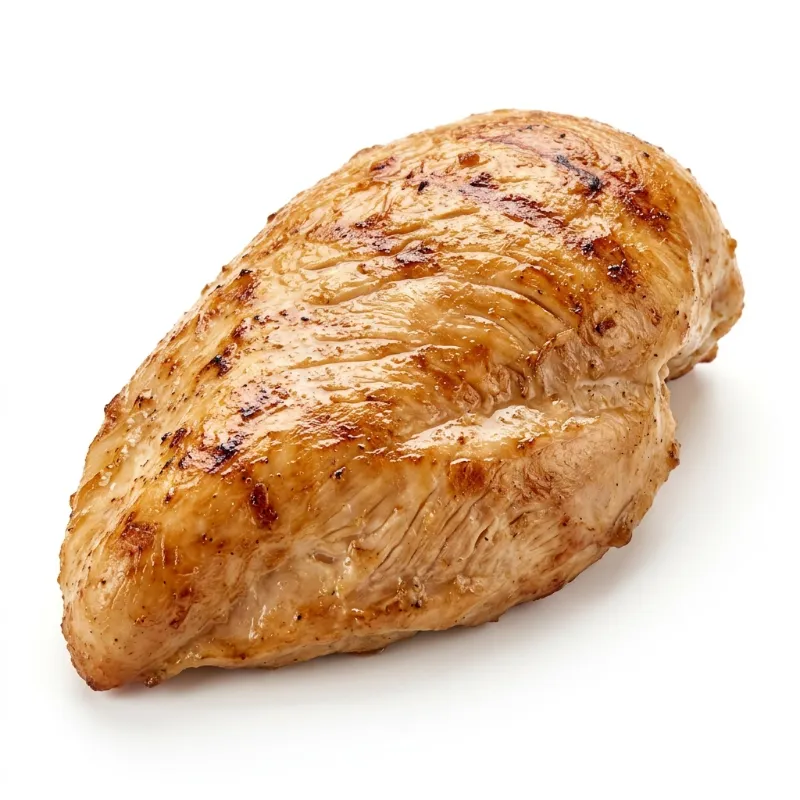
Raw Tuna (Yellowfin)
109 kcal · P: 24g · C: 0g · G: 0.49g
T+0 Caution: Avoid breaking your fast with concentrated oxalates, phytates, or lectins
Turmeric (Root)
85 kcal · P: 2g · C: 16.4g · G: 0.8g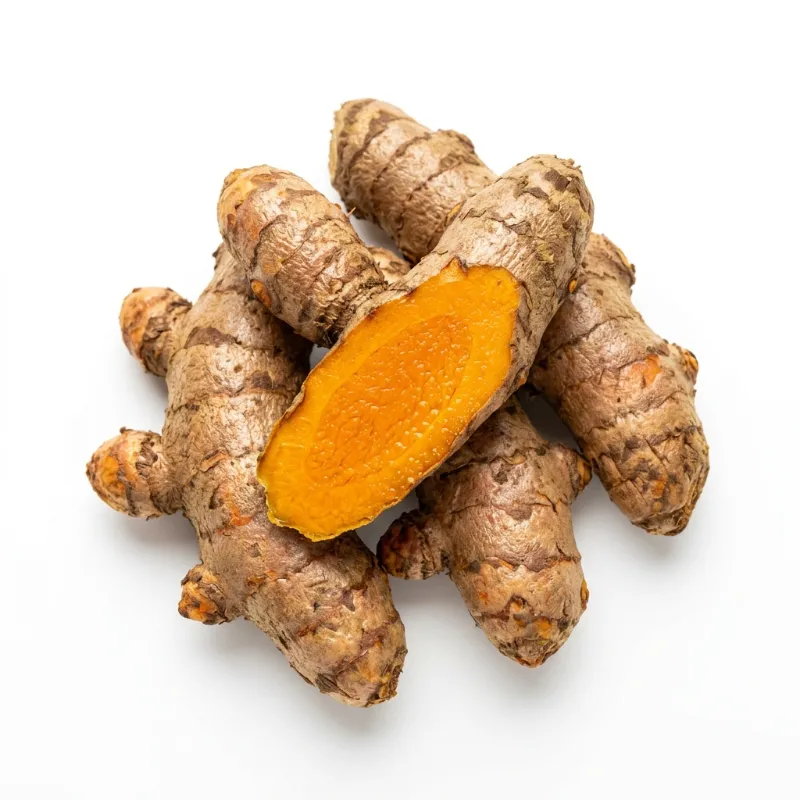
Parsley (Fresh)
36 kcal · P: 2.97g · C: 3.03g · G: 0.79g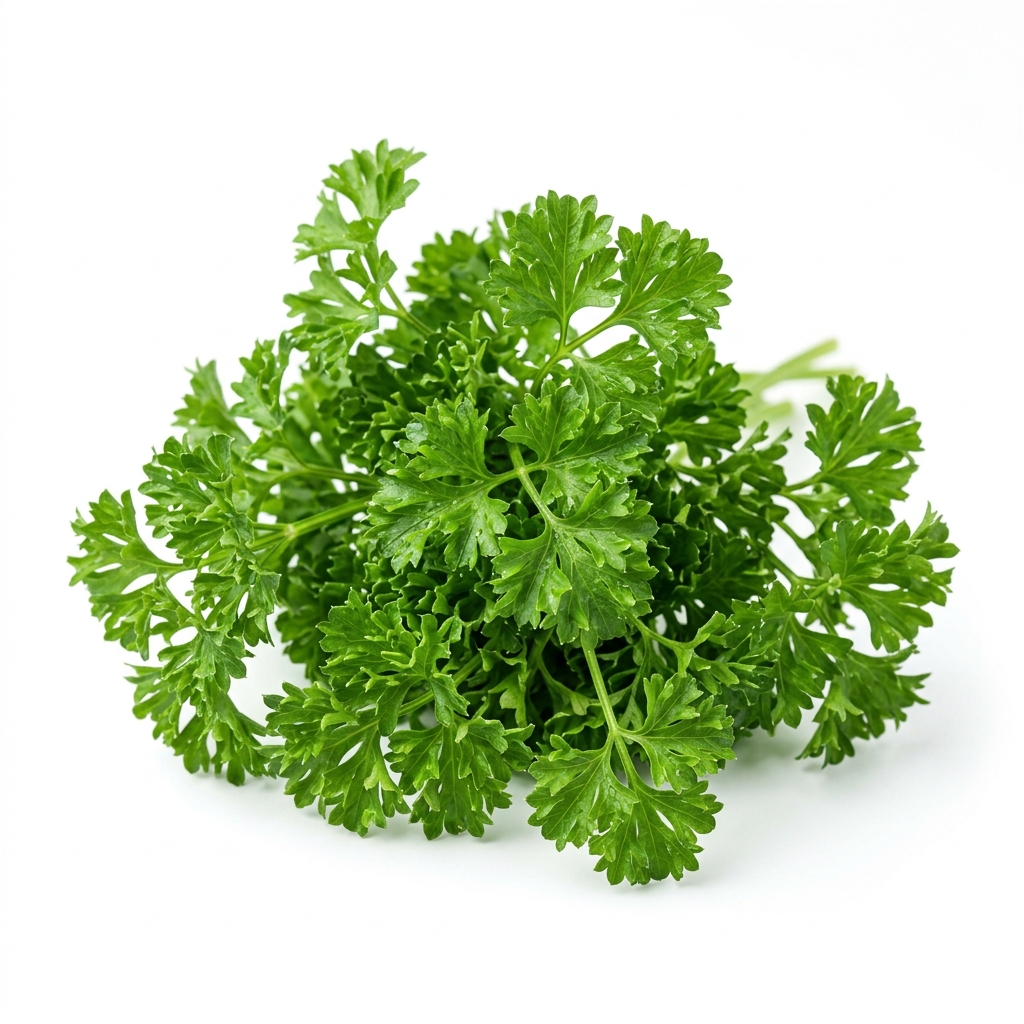
Spinach
23 kcal · P: 2.9g · C: 1.4g · G: 0.4g
Medical Contraindications & When to Stop Immediately
Cellular fasting is a voluntary hormetic tool—never an endurance stunt. Do not undertake extended protocols if any of the following apply:
High-demand anabolic stages where fasting beyond a natural 12h overnight rest is contraindicated.
Timed fasting windows can trigger restrictive cycles; prioritize regular, nourishing whole-food meals.
Risk of severe hypoglycemia or euglycemic ketoacidosis; requires direct physician supervision and medication adjustment.
Insufficient adipose or lean protein reserves to safely support extended fasting windows.
Ketone bodies transiently compete with renal uric acid clearance and require individualized electrolyte oversight.
- Orthostatic dizziness or blurred vision that does not resolve within 20 minutes of 500 ml water + 3 g salt.
- Sustained resting heart palpitations, cold tremors, profuse sweating, or cognitive confusion.
- Persistent nausea, vomiting, or sharp right-upper-quadrant discomfort (gallbladder).
- Refractory muscle cramps despite replenishing sodium, magnesium, and potassium.
Frequently Asked Questions: 96-Hour Fast
Why does CaloriTrack cap prolonged protocols at 96 hours instead of 7–14 days?
Because 72–96 hours captures peak autophagy, therapeutic BHB, and IGF-1 immune priming with maximal muscle preservation, whereas >5-day fasts sharply increase clinical refeeding hypophosphatemia risk requiring in-person medical labs.
How should I prepare during the 2 days before a 96-hour fast?
Enter already fat-adapted: eat whole-food low-carb meals (<30–50 g net carbs) with ample protein and electrolytes for 48 hours prior, eliminating Day-1 transition fatigue.
How long should gentle refeeding last after a 96-hour fast?
Follow the 50%-duration rule: dedicate a full 48 hours to progressive reintroduction (Day 1: bone broth, soft eggs, white fish, cooked zucchini; Day 2: tender meats, avocado, gentle ferments).
Verified Peer-Reviewed Literature
Related Peer-Referenced Research in The Metabolic Journal
Deep-dive reports connected to the cellular physiology, hydration, and ketoadaptation of this protocol:
The Hidden Magic of Fasting
Fasting is a process of renewal. We simply explain what happens in your body when you fast, from ketone production to immune regeneration.
Can Prolonged Fasting Replace Zone 2 Training? A Scientific Analysis
In the fields of sports physiology and longevity, “Zone 2” training has established itself as the gold standard for improving metabolic health. The premise is well-known: performing low-intensity, long-duration…
Vegan vs. Omnivore Breakfast: A Comparison of Vitamins, Minerals, and Absorption
Popularity doesn’t equal quality. In this biochemical analysis, we pit the famous Avocado Toast and Acai Bowl against a nutritional powerhouse: The Salmon Omelette in Ghee. Find out who wins the battle of insulin…