18-Hour Cellular Fast (18:6)
True immersion into intracellular recycling: cross the 16-hour threshold to sustain active autophagy within a practical two-meal structure.
Between hours 16 and 18, rising AMP/ATP ratios robustly activate AMPK and suppress mTORC1, sequestering oxidized proteins into autophagosomes. Its 6-hour feeding window (e.g., 1:00 PM to 7:00 PM) fits two deeply satiating whole-food meals with zero late-night digestion.
Hour-by-Hour Cellular Timeline (Target: 18h)
Steady energy with zero midday crash; cells recycle misfolded proteins for clean substrate.
The 5 Deep Regeneration Sub-Stations (Beyond the 24h Commercial Cap)
While conventional apps stop explaining physiology at 24 hours, CaloriTrack maps every cellular, immune, and intestinal milestone up to 96 hours.
Complete Hepatic Glycogen Depletion & NLRP3 Silencing
Hepatic glycogen reserves fully deplete. Beta-hydroxybutyrate (BHB) acts directly as a signaling metabolite to block the NLRP3 inflammasome and lower IL-1beta cytokines.
Selective Mitophagy & Dopaminergic Clarity (BDNF)
Selective clearance of damaged mitochondria accelerates (PINK1/Parkin axis) alongside elevated cortical/hippocampal BDNF and resensitized D2 dopamine receptors.
Full Therapeutic Ketosis & Maximal Protein Sparing
Ketone bodies supply 65%–70% of cerebral energy demand. Minimal obligate glucose for red blood cells derives primarily from lipolytic glycerol, sparing skeletal muscle.
Immune Cell Recycling & Hematopoietic Priming (IGF-1 / PKA)
Sustained reduction of circulating IGF-1 and Protein Kinase A (PKA) inhibition clear senescent leukocytes and prime hematopoietic stem cells for lineage renewal upon refeeding.
Deep Ketogenic Homeostasis & Complete Enterocyte Rest
Total absence of dietary antigen and antinutrient load across intestinal tight junctions. Deep renewal of gut epithelium paired with peak mitochondrial efficiency.
Simulate Your Real-World Start & Refeed Clock
Pick your last dinner completion hour to map exactly when you cross each cellular stage:
18h Compatibility Across the Menstrual Cycle
Kisspeptin signaling responds differently to fasting in the follicular window versus the late luteal phase. Select a cycle phase:
Heightened kisspeptin sensitivity to cortisol and caloric deprivation; safeguard progesterone and thyroid conversion.
18-Hour Electrolyte & Sodium Plan
Falling insulin triggers rapid renal sodium excretion (fasting natriuresis). Adjust your body weight to compute cumulative fluid and mineral salt needs:
One Morning Serum (500 ml + 3 g unrefined sea salt) upon waking suffices to maintain crisp mental focus and vascular tone.
What Preserves vs. What Breaks Autophagy
Not everything that keeps insulin flat preserves strict intracellular recycling:
0 kcal · Preserves basal insulin, plasma volume, and 100% AMPK autophagy.
Zero maltodextrin, dextrose, or sucralose; prevents cramps and nocturnal HRV drops.
Polyphenols (chlorogenic acid & EGCG) synergize with AMPK; avoid after 1:00 PM for deep sleep.
Keeps insulin flat and supports ketones, yet supplies exogenous energy that blunts deep autophagy.
Amino acids activate mTORC1 and halt strict autophagy—making it the #1 clinical tool to BREAK an extended fast.
Leucine directly triggers mTORC1 while sweeteners provoke cephalic-phase insulin signaling.
How to Break a 18-Hour Fast Without Rebound or Gut Distress
Timed clinical sequence engineered to protect your gut barrier while preventing glucose spikes and antinutrient overload:
Bioavailable Protein + Stable Real Fats First
After 12–20 hours your digestive enzymes remain active, yet opening with sugars or refined starches triggers an exaggerated post-fast glucose and insulin spike.
Lead with pasture-raised eggs, wild fish, grass-fed meat, or avocado; eat whole-food carbohydrates last on the plate.
Whole-Food Meal with a Clean Antinutrient Shield
Deliver at least 35–45 g of complete protein to trigger muscle protein synthesis (MPS) and replenish zinc, heme iron, and B vitamins.
Chew thoroughly and finish your final meal 3.5 hours before sleep to protect deep sleep and your nocturnal HRV tunnel.
Optimal Real Foods to Open Your Window (Clean Biochemical Shield)
Chicken Egg
143 kcal · P: 12.56g · C: 0.72g · G: 9.51g
Skinless Chicken Breast (roasted)
165 kcal · P: 31g · C: 0g · G: 3.6g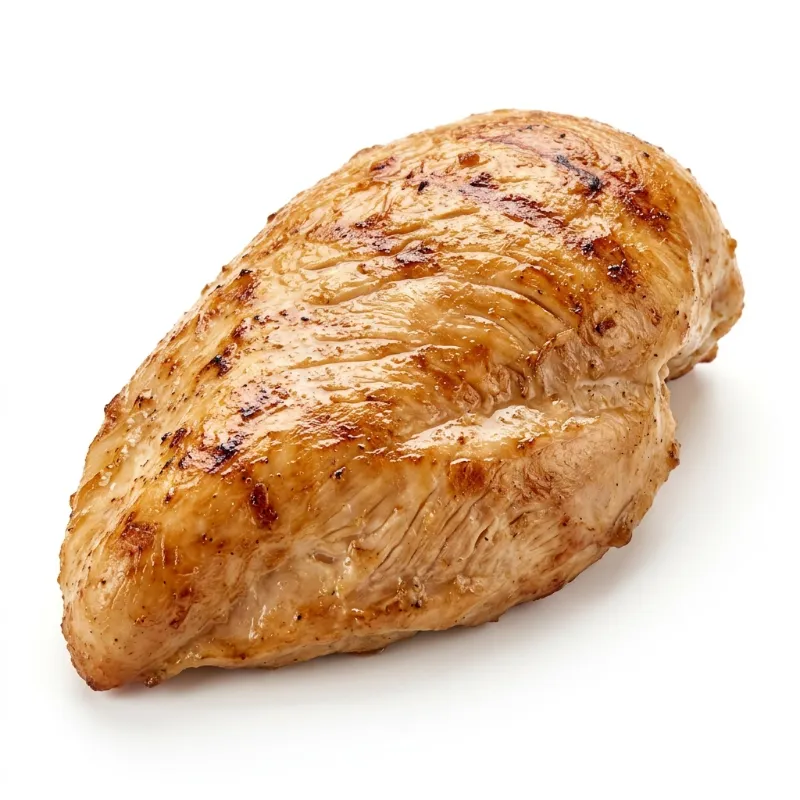
Raw Tuna (Yellowfin)
109 kcal · P: 24g · C: 0g · G: 0.49g
T+0 Caution: Avoid breaking your fast with concentrated oxalates, phytates, or lectins
Turmeric (Root)
85 kcal · P: 2g · C: 16.4g · G: 0.8g
Parsley (Fresh)
36 kcal · P: 2.97g · C: 3.03g · G: 0.79g
Spinach
23 kcal · P: 2.9g · C: 1.4g · G: 0.4g
Medical Contraindications & When to Stop Immediately
Cellular fasting is a voluntary hormetic tool—never an endurance stunt. Do not undertake extended protocols if any of the following apply:
High-demand anabolic stages where fasting beyond a natural 12h overnight rest is contraindicated.
Timed fasting windows can trigger restrictive cycles; prioritize regular, nourishing whole-food meals.
Risk of severe hypoglycemia or euglycemic ketoacidosis; requires direct physician supervision and medication adjustment.
Insufficient adipose or lean protein reserves to safely support extended fasting windows.
Ketone bodies transiently compete with renal uric acid clearance and require individualized electrolyte oversight.
- Orthostatic dizziness or blurred vision that does not resolve within 20 minutes of 500 ml water + 3 g salt.
- Sustained resting heart palpitations, cold tremors, profuse sweating, or cognitive confusion.
- Persistent nausea, vomiting, or sharp right-upper-quadrant discomfort (gallbladder).
- Refractory muscle cramps despite replenishing sodium, magnesium, and potassium.
Frequently Asked Questions: 18-Hour Fast
How do I hit my daily protein target in a 6-hour window?
Split intake into two structured meals delivering 45–60 g of bioavailable animal or marine protein (e.g., 1:00 PM and 6:30 PM), prioritizing protein before bulky fibrous sides.
Can I train fasted around hours 16–17?
Yes, after pre-loading osmotic electrolytes (6.0 g/L). Training near hour 17 amplifies mitochondrial biogenesis (PGC-1alpha) and lets you refeed muscle immediately afterward.
How should women adapt 18:6 across their hormonal cycle?
Run 18:6 during your follicular phase (Days 3–11) and step down to 12:12 or 14:10 during the 7 days preceding menstruation.
Verified Peer-Reviewed Literature
Related Peer-Referenced Research in The Metabolic Journal
Deep-dive reports connected to the cellular physiology, hydration, and ketoadaptation of this protocol:
The Hidden Magic of Fasting
Fasting is a process of renewal. We simply explain what happens in your body when you fast, from ketone production to immune regeneration.
Vegan vs. Omnivore Breakfast: A Comparison of Vitamins, Minerals, and Absorption
Popularity doesn’t equal quality. In this biochemical analysis, we pit the famous Avocado Toast and Acai Bowl against a nutritional powerhouse: The Salmon Omelette in Ghee. Find out who wins the battle of insulin…
4-Week Intermittent Fasting Plan to Burn Fat Effectively
Turn your body into a fat-burning machine. Forget restrictive diets and learn how to use your own energy reserves with our progressive protocol.